
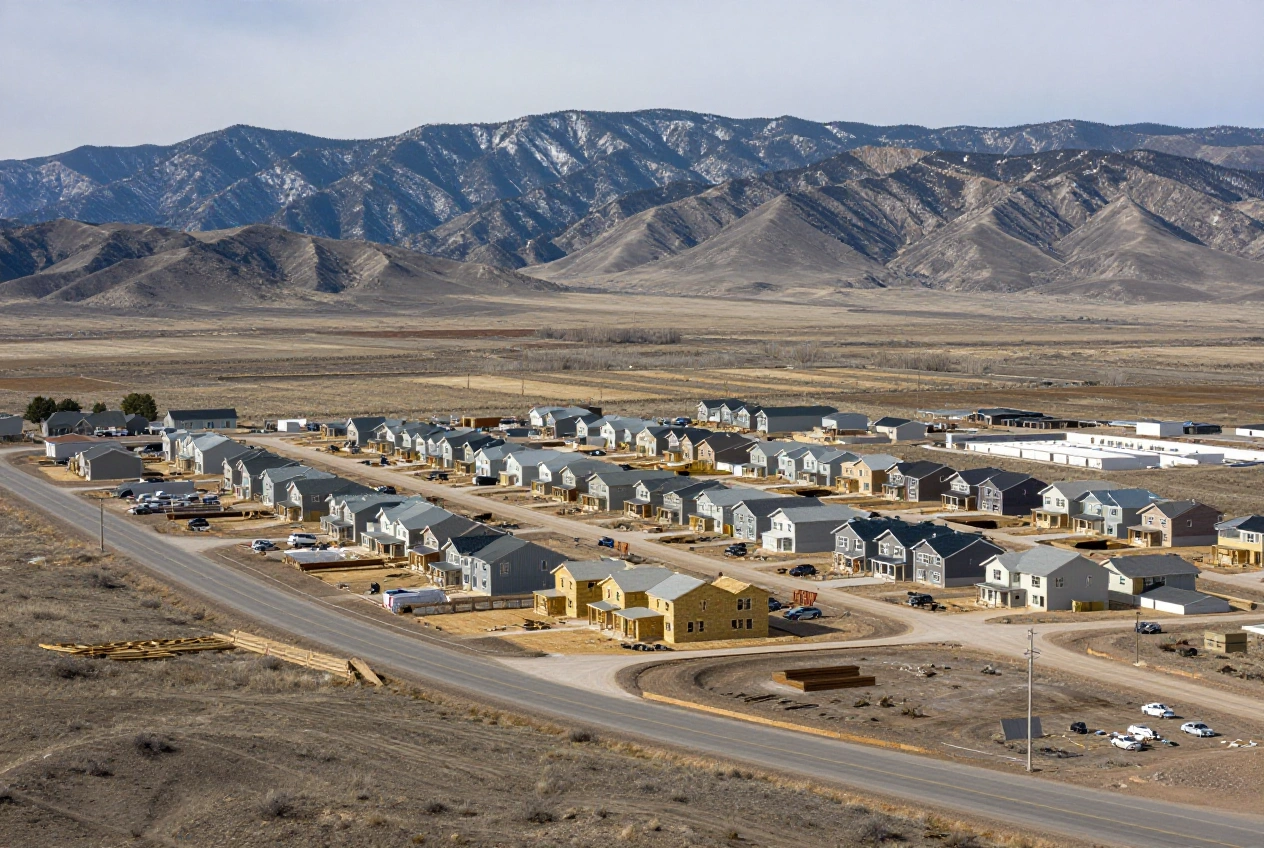
Utah Lawmakers May Revisit SB 258 Amid Push to Repeal Developer-Led Town Formation Process
Utah House Speaker Mike Schultz says lawmakers should consider repealing or substantially revising a controversial state law that allows qualifying landowners to establish preliminary municipalities on largely undeveloped land. The debate is expected to return during the 2027 legislative session as local officials raise concerns about development oversight, infrastructure planning and local control.
In an interview published October 12, 2026, by Utah News Dispatch, Schultz, a Republican from Hooper, said a full repeal should be part of the discussion. His comments signal a potential shift in the debate over Senate Bill 258, a 2024 law that created a pilot process for forming preliminary municipalities that may eventually become towns.
No repeal has been enacted, and the law remains in effect as of October 2026.
What Does Utah SB 258 Do?
Enacted in 2024, SB 258, formally known as Municipal Incorporation Amendments, created a process through which qualifying landowners can seek preliminary municipality status for certain undeveloped areas outside existing municipalities.
The law generally applies to contiguous areas in eligible counties that are at least 50% undeveloped and owned by no more than three people, all of whom must consent to the proposed incorporation. The development plan must also meet specified population and density requirements.
The process includes a feasibility review, public hearings and other statutory requirements. If the proposed community develops to the required population threshold, the law provides a process for transitioning it into a town, including an election for a mayor and town council.
Supporters of the approach have framed it as a way to facilitate new housing and community development. Critics, however, argue that it can give landowners and developers a route to establish new communities without the same level of local-government control they would encounter through conventional development processes.
The law’s preliminary-municipality provisions are scheduled to sunset on January 1, 2031, under the 2024 legislation. Lawmakers could change that timeline or other provisions if they pass new legislation.
Why Is Repeal Being Considered?
The debate has intensified in Wasatch County, where officials have argued that SB 258 could weaken local authority over growth and land-use planning.
On September 2, the Wasatch County Council passed a resolution calling on state lawmakers to repeal the preliminary-municipality program. County officials and residents have raised concerns about how large developments could affect roads, utilities, schools and other public services, as well as how new communities would fit into existing county plans.
The disagreement is part of a broader debate over how Utah should balance its goal of increasing housing supply with local governments’ responsibility to plan for growth and infrastructure.
Governor Spencer Cox has also indicated openness to changes to the law, according to Utah News Dispatch. However, the details of any potential revision remain uncertain, and no final legislative proposal has been established in the developments discussed here.
The Heber Valley Development Dispute
The controversy has also intersected with a proposed development on state trust land near Heber City.
In August 2026, Wasatch County rejected an agreement associated with a proposed project on land managed by the state’s trust lands agency. County officials said the proposal did not align with their plans for local growth. The disagreement became part of the wider dispute over SB 258 and the amount of influence county governments should have over major development decisions.
The land-use dispute and the preliminary-municipality law are related issues, but they are not the same legal matter. The county’s decision on the proposed development does not itself repeal or amend SB 258.
What Could This Mean for Homeowners, Buyers and Developers?
For homeowners and residents in fast-growing areas such as the Heber Valley, the debate raises questions about who will make future land-use decisions and how infrastructure needs will be addressed as new housing is built.
Potential implications include:
- Local planning and services: Changes to the law could affect how local officials participate in planning for roads, utilities, schools and other services associated with new communities.
- Future housing development: Repeal or revisions could change the process available to landowners seeking to develop eligible undeveloped tracts.
- Development timelines and costs: Developers may need to reassess project plans if lawmakers change incorporation requirements or the relationship between preliminary municipalities and county governments.
- Long-term investment uncertainty: Landowners and investors considering projects in eligible areas should account for the possibility of legislative changes, while recognizing that the existing law has not yet been repealed.
These are potential consequences rather than confirmed market outcomes. The effect on any specific property or project would depend on its location, approvals, infrastructure arrangements and the final wording of any legislation.
What to Watch in the 2027 Legislative Session
Schultz’s comments indicate that lawmakers may consider a full repeal, substantial revisions or other changes to SB 258 when the legislative session begins in January 2027. The precise scope of any proposal—and whether it will gain sufficient support to become law—remains unknown.
Until legislation is enacted, property owners and developers should not assume that the current process has been suspended or that existing requirements have changed. Those involved in a potential project should consult the Utah Legislature’s official bill records, the relevant county planning department and a qualified land-use attorney for guidance on their specific circumstances.
The debate highlights a continuing challenge for Utah: how to accommodate housing and population growth while ensuring that new communities have appropriate infrastructure, oversight and accountability.