
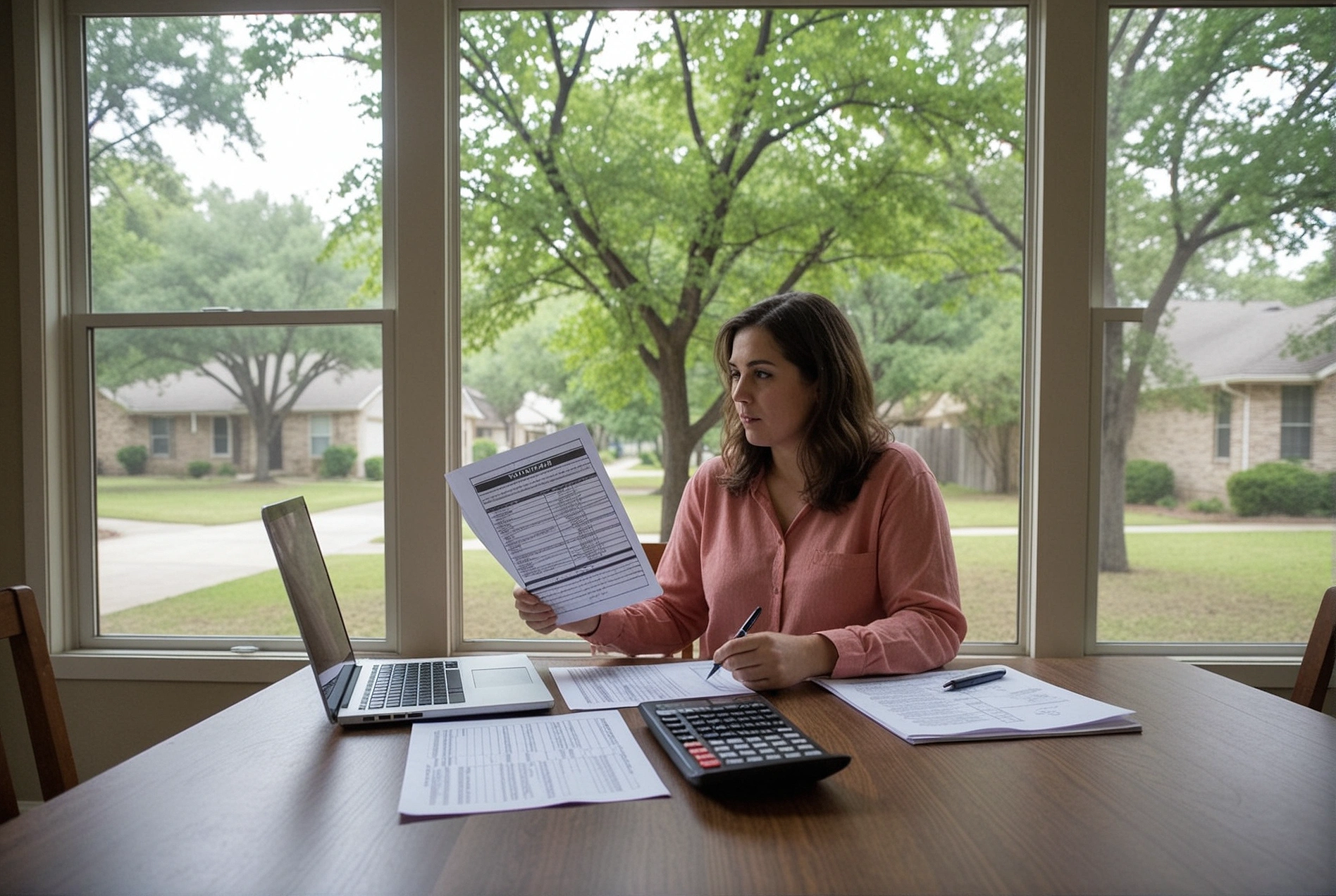
Texas Homeowners Have the Right to Protest Property Appraisals
Texas homeowners who believe their property has been overvalued or that the appraisal records contain an error have the right to challenge the assessment through their local Appraisal Review Board (ARB).
The process is available statewide, but the filing deadline is not generally September 30. Under Texas law, most property owners must file a protest by May 15 or the 30th day after the appraisal district mails the notice of appraised value, whichever is later.
Why the Appeal Process Matters
A property’s appraised value is an important component of the property-tax calculation. If an owner believes the appraisal district’s valuation is incorrect, a successful protest can result in a lower appraised value for the tax year in question.
Property owners can also protest certain errors involving exemptions, special appraisals and other actions taken by the appraisal district.
Understanding the Filing Deadline
Texas appraisal districts generally send notices of appraised value by April 1 for residence homesteads and by May 1 for other properties, or as soon as practical afterward.
Once the notice is mailed, the property owner should review it carefully and determine the applicable protest deadline. In most cases, the deadline is May 15 or 30 days after the notice was mailed, whichever is later.
The exact circumstances can affect the deadline, so homeowners should confirm the date with their local appraisal district.
What Evidence Can Help?
Homeowners who believe their property is overvalued can provide information supporting their opinion of the property’s value.
Depending on the circumstances, useful evidence may include:
- Recent comparable property sales
- Information about the property’s condition
- Photographs documenting needed repairs
- Appraisal reports
- Evidence of errors in the appraisal district’s records
- Information showing that similar properties have been valued differently
The goal is to provide factual information that supports the owner’s position regarding the property’s appraised value or another protested issue.
Informal Review and ARB Hearings
After filing a protest, homeowners may have the opportunity to participate in an informal conference with the appraisal district before the formal ARB hearing.
If the issue cannot be resolved informally, the property owner can continue with the formal hearing. The ARB considers information from both the property owner and the appraisal district before making its decision.
The ARB must provide written notice of the hearing, including the date, time and location, at least 15 days before the hearing.
What Happens After the Decision?
If the property owner disagrees with the ARB’s decision, additional appeal options may be available.
Depending on the circumstances and property type, an owner may be able to appeal to district court, the State Office of Administrative Hearings or through regular binding arbitration. The applicable requirements, fees and deadlines vary by appeal method.
Property owners should carefully review the ARB’s written order before deciding whether to pursue another level of appeal.
Practical Takeaway
Texas homeowners should not assume that September 30 is the statewide deadline for property-tax protests.
Instead, homeowners should review their appraisal notice and check with their local appraisal district to determine the applicable deadline. For most property owners, the standard deadline is May 15 or 30 days after the notice of appraised value was mailed, whichever is later.
Anyone considering a protest should gather supporting documentation early and submit the required notice before the applicable deadline. The Texas Comptroller and local appraisal districts provide forms and information explaining the protest process.