
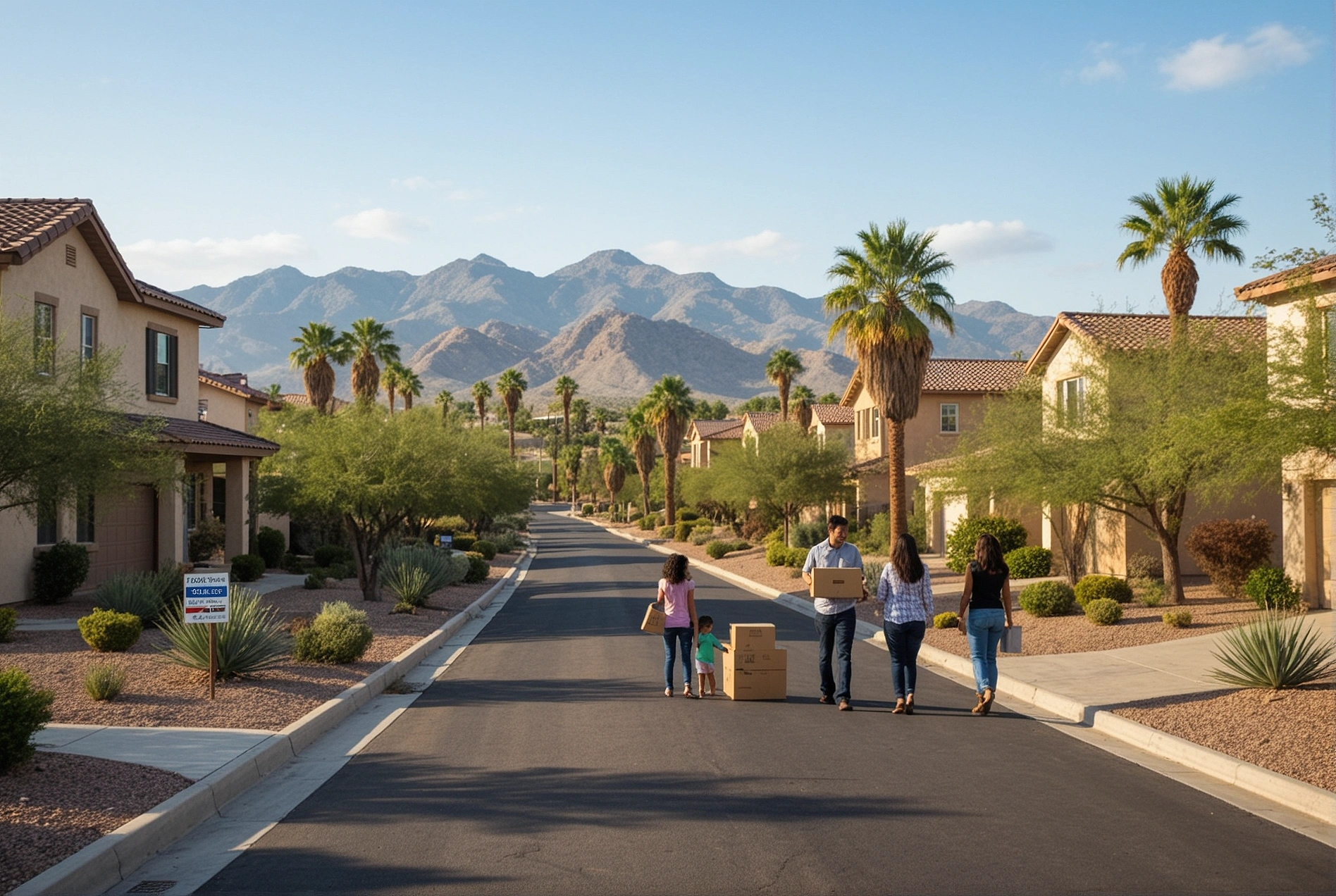
Arizona Population Growth Continues to Influence Housing Markets
Arizona continues to experience population growth, adding residents even as housing markets across Phoenix, Scottsdale and Tucson show different levels of activity.
The U.S. Census Bureau estimated Arizona’s population at 7.62 million as of July 1, 2025, an increase of about 67,400 residents, or 0.9%, from the previous year. Arizona ranked among the nation’s faster-growing states by percentage during that period.
Population growth can influence housing demand, but current market data shows that migration is only one part of the picture. Mortgage rates, affordability, inventory and local economic conditions also affect how quickly homes sell and how prices change.
Migration Patterns Vary Across Arizona
Recent Redfin data provides a closer look at where people searching for homes are coming from.
In the Phoenix metro area, Redfin’s April–June 2026 data showed that most home shoppers were looking to remain within the metro. Among people searching to move into Phoenix from other metropolitan areas, Seattle, Los Angeles and Chicago were the leading sources. Texas cities were not among the largest sources of inbound searches during that period.
Scottsdale showed a similar pattern. From January through March 2026, 79% of Scottsdale homebuyers searched to remain within the metro area. Among outside markets, Seattle, Los Angeles and Chicago were the largest sources of inbound searches.
These figures represent online home-search activity rather than confirmed moves, so they should be viewed as an indicator of relocation interest rather than a direct count of people moving into each market.
Phoenix Housing Conditions
Phoenix continues to have a large and active housing market, but current conditions do not resemble the extremely competitive environment seen in some earlier periods.
Redfin’s August 2026 data shows a median Phoenix home sale price of approximately $455,000, up about 1% from a year earlier. Homes sold in a median of roughly 57 days, compared with 60 days the previous year.
The additional availability of homes gives buyers more opportunities to compare properties, while sellers may need to pay closer attention to pricing and presentation.
Scottsdale Remains a Higher-Priced Market
Scottsdale continues to stand apart from the broader Phoenix market in terms of pricing.
Redfin reported a median sale price of approximately $906,900 in August 2026, up 9.3% year over year. However, homes took about 77 days to sell, compared with 74 days a year earlier.
This combination of higher prices and longer marketing times shows that price growth does not necessarily mean properties are selling more quickly.
Tucson Shows Different Conditions
Tucson is experiencing a more moderate housing environment.
The University of Arizona’s Economic and Business Research Center reported that the Tucson metropolitan area has experienced relatively weak population and labor-force growth in 2026. The center noted that low net migration is one factor affecting the area’s labor-force outlook.
This provides an important contrast with the assumption that population growth is producing the same level of housing demand across every Arizona metro.
What This Means for Buyers and Sellers
For buyers, Arizona’s population growth means housing demand remains an important factor to watch, but local conditions can vary substantially between neighborhoods and metropolitan areas.
Sellers should consider current comparable sales, inventory and the amount of time similar properties are taking to sell rather than assuming that population growth alone will support higher prices.
Investors should also examine local employment, migration patterns and housing supply before making decisions about a particular market.
Looking Ahead
Arizona’s population is continuing to grow, but the state’s housing markets are not moving uniformly.
Phoenix, Scottsdale and Tucson each have different combinations of inventory, pricing, migration and economic conditions. Current data suggests that relocation interest remains part of the housing picture, while broader affordability and market conditions continue to influence buyer behavior.
Practical Takeaway
Arizona’s population growth continues to support housing demand over the longer term, but migration should not be viewed as the only factor driving local real estate markets.
Buyers and sellers should review current neighborhood-level data, including active listings, recent sales, days on market and price trends, before making a decision. For relocation activity, platforms such as Realtor.com, Zillow and Redfin can provide additional market information, while local real estate professionals can provide context for individual communities.