
Oregon Expands Wildfire Preparedness and Disaster Resilience Planning
Oregon is expanding its approach to wildfire preparedness and disaster resilience as state officials focus on strengthening communities before emergencies occur.
On September 10, 2026, Governor Tina Kotek announced the Plan for a Resilient Oregon, a statewide strategy designed to help communities prepare for wildfire, flooding, extreme heat, and other disasters. The plan was released as Oregon marked the sixth anniversary of the 2020 Labor Day fires.
Why This Matters to Oregon Residents
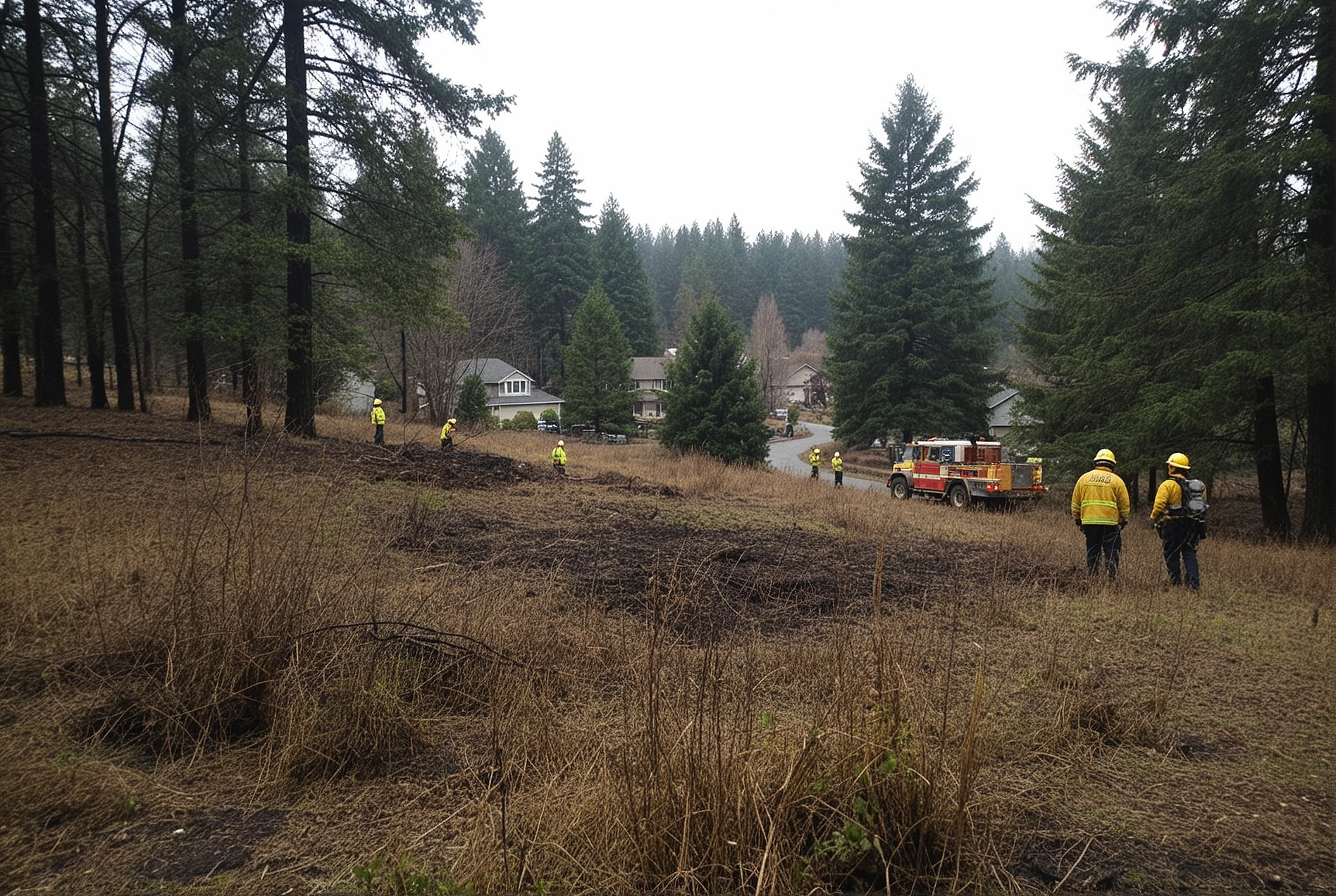
Wildfire remains a significant concern for communities throughout Oregon. In June, Governor Kotek declared a statewide emergency because of the imminent threat of wildfire, citing warm and dry conditions, low snowpack, drought in nearly half of Oregon’s counties, and the ongoing potential for dangerous fire conditions.
The state has also continued deploying resources to active fires. In July, Oregon secured three federal Fire Management Assistance Grants for the Lower Dry Creek, Akawa Butte, and Grasshopper fires. The grants can provide federal reimbursement for up to 75% of eligible firefighting costs.
Existing Wildfire Investments
Oregon has already made significant investments in wildfire response and prevention.
House Bill 3940, signed into law in 2025, created a dedicated State Forestry Department Large Wildfire Fund. Together with other legislation and budget investments, the package secured $150 million over two years for responding to wildfire disasters and $117 million in new dedicated funding for community prevention and resilience.
The legislation also established funding mechanisms for wildfire suppression, mitigation, prevention, and community resilience.
Community Preparedness and Resilience
The state’s current strategy places greater emphasis on preparing communities before disasters occur.
Oregon’s September Preparedness Month campaign encourages residents to take steps to protect their households and communities. The Oregon Department of Emergency Management continues to promote its “Be 2 Weeks Ready” program, which encourages households to be prepared to remain self-sufficient for at least two weeks following a disaster.
The state’s wildfire response efforts also include community risk-reduction programs, forest-resilience investments, and wildfire detection resources.
What Oregon Residents Should Know
Residents in wildfire-prone areas should continue monitoring local fire conditions and emergency alerts, maintaining evacuation plans, and preparing emergency supplies.
Homeowners should also review their property’s wildfire preparedness measures and stay informed about local evacuation routes and restrictions.
For current emergencies, residents can use ORAlert.gov and follow instructions from local emergency-management officials. Governor Kotek has specifically urged Oregonians to maintain evacuation plans, prepare emergency kits, and stay aware of changing conditions.
Looking Ahead
The Plan for a Resilient Oregon is intended to provide a broader framework for preparing communities for increasingly frequent and severe disasters. Its approach goes beyond emergency response by emphasizing preparedness, resilience, and coordination among state, local, tribal, and community partners.
As Oregon continues through the 2026 wildfire season, residents can expect continued attention to fire preparedness, community resilience, and emergency response capabilities across the state.