
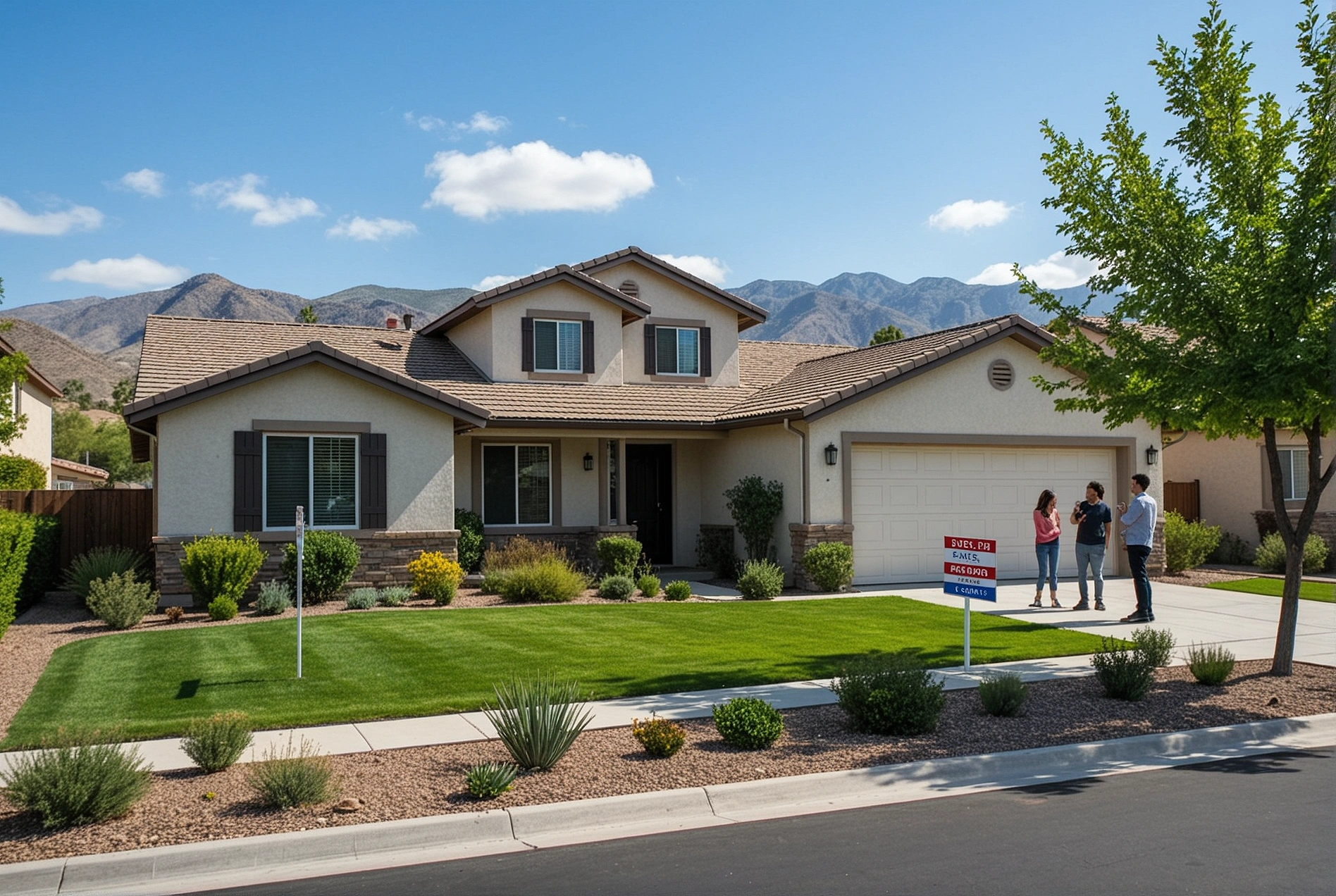
Las Vegas and Reno Housing Markets Show Signs of a Slower Pace
Housing markets in Las Vegas and Reno are showing signs of a more measured pace as buyers and sellers adjust to changing inventory, mortgage rates, and sales activity. Recent August data shows that conditions differ between the two major Nevada markets, with Las Vegas experiencing softer prices while Reno continues to record stronger year-over-year price growth.
Current Sales and Inventory Snapshot
In Southern Nevada, the median price of an existing single-family home reached $475,000 in August, according to Las Vegas REALTORS®. That was 1.0% below August 2025 and below the area’s record median of $490,000 reached in May and June.
Inventory also increased, with 7,590 single-family homes listed without an accepted offer, up 5.3% from a year earlier. Condo and townhome inventory increased 6.0% year over year. (nevadabusiness.com)
Reno is showing a different pattern. August data from the Reno-Sparks Association of REALTORS® put the median single-family price in Reno at approximately $672,500, up 9.3% from a year earlier. Reno had 623 active single-family listings and about 2.5 months of supply. (nevadarealestategroup.com)
Price Trends Remain Different
The two markets are therefore not following exactly the same trajectory.
Las Vegas prices have remained relatively stable but have eased from their 2026 peak. The median single-family price was 1.0% lower than a year earlier, while the median condo and townhome price increased 0.6% to $299,900. (nevadabusiness.com)
Reno’s market has maintained stronger price growth. The August median for single-family homes was up 9.3% year over year, although prices declined from the previous month’s level. Sparks, meanwhile, recorded a median single-family price of approximately $561,495, down 0.4% from a year earlier. (nevadarealestategroup.com)
Buyer and Seller Activity
The latest data suggests that buyers in both markets have somewhat more opportunity to evaluate properties, although inventory remains different from one area to another.
In Las Vegas, homes were taking longer to sell, with Realtor.com reporting a 58-day median time on market in August, up 3.6% from a year earlier. Active listings were also up 6.9% year over year. (realtor.com)
Reno’s market remained tighter. August data showed approximately 2.5 months of single-family inventory, with homes taking a median of 29 days to go under contract. (nevadarealestategroup.com)
These figures suggest that well-priced properties can continue to attract attention, while buyers may have more negotiating opportunities on homes that remain on the market longer.
What Nevada Residents Should Know
The Las Vegas and Reno markets are showing different conditions, making local data particularly important for buyers and sellers.
For buyers, additional inventory in some areas may provide more time to compare properties and evaluate financing, inspections, and other purchase terms. Sellers should pay close attention to comparable sales, competing listings, and current buyer demand when determining an asking price.
As Nevada’s fall housing market develops, mortgage rates, inventory levels, and local employment and economic conditions will continue to influence activity across both markets.