
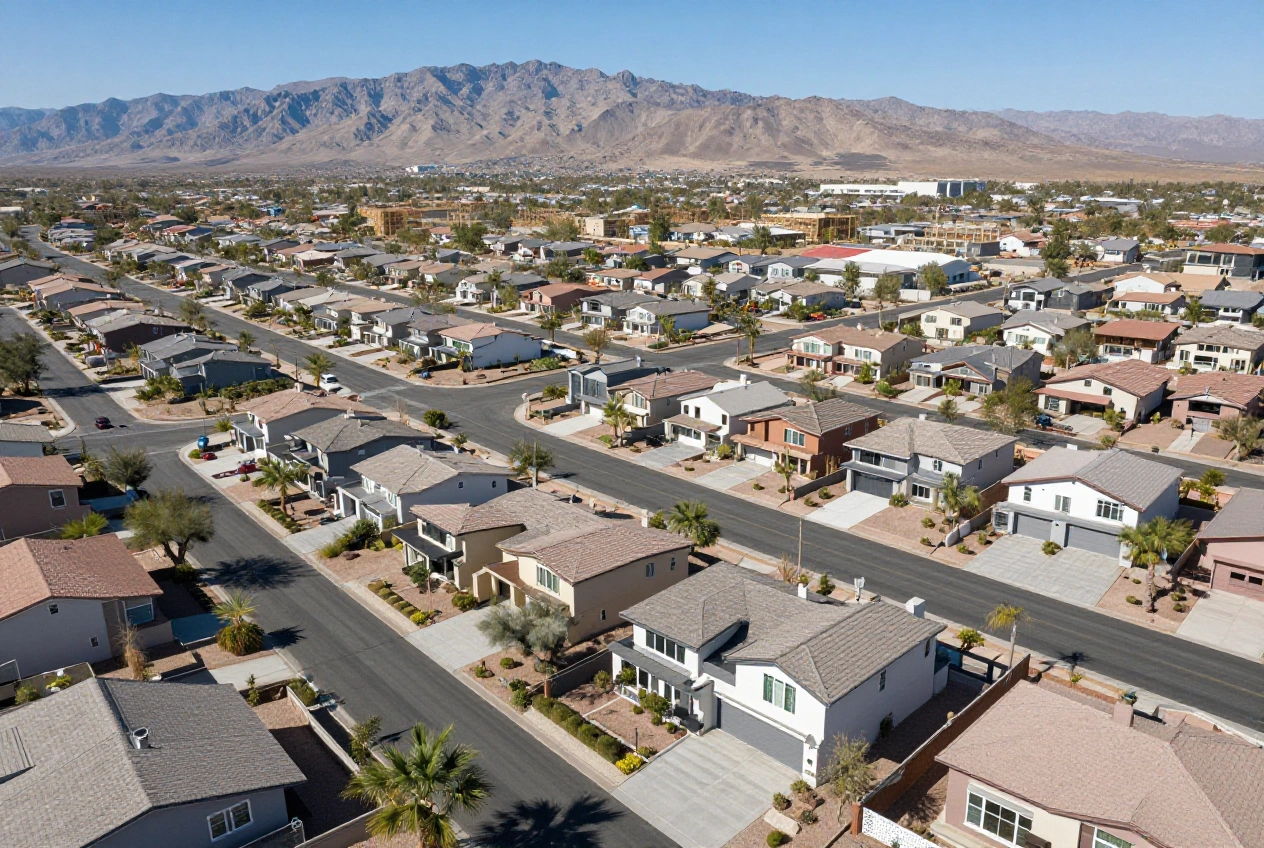
Las Vegas Housing Inventory Rises as Home Sales Slow
The Las Vegas Valley housing market is showing signs of a shift as more properties remain available for sale and home sales slow. September 2026 data from Las Vegas REALTORS® shows rising inventory, fewer completed transactions, and median prices below their recent record highs.
Higher mortgage rates have added pressure to affordability, while buyers have more properties to compare. For homeowners, prospective buyers, and community associations, these trends offer a useful snapshot of the changing Southern Nevada housing market.
Housing Inventory Continues to Grow
By the end of September, Las Vegas REALTORS® reported 7,995 existing single-family homes listed for sale without an offer, an increase of 6.6% from September 2025. Another 2,796 condos and townhomes were listed without offers, up 7.3% year over year.
The increased number of available properties gives buyers more options than they had a year earlier. It also means sellers may face more competition when pricing and marketing their homes.
Based on September’s sales pace, Southern Nevada had approximately five months of housing supply, compared with roughly four months a year earlier. Inventory conditions vary by property type and neighborhood, so the regional figures may not reflect the experience of every community.
Home Prices Ease From Recent Highs
The median sale price of an existing single-family home in Southern Nevada was $470,000 in September 2026, according to Las Vegas REALTORS®. That was down 1.1% from August and unchanged from September 2025.
The September median was also $20,000 below the record high of $490,000 reached in May and June 2026.
Condos and townhomes recorded a median sale price of $290,000, down 1.4% compared with September 2025.
These figures indicate some recent price softening, but they do not mean every property has declined in value. A home’s location, condition, size, and competition from similar listings all influence its market performance.
Sales Slow as Mortgage Rates Affect Affordability
A total of 2,169 existing homes, condos, and townhomes sold in Southern Nevada during September. Compared with the same month last year, single-family home sales declined 7.4%, while condo and townhome sales fell 12.6%.
Rising borrowing costs remain an important consideration for prospective buyers. Higher mortgage payments can limit purchasing power, influence the price buyers can afford, and cause some households to delay their plans.
The combination of slower sales and more listings suggests that the market is becoming more competitive for sellers. However, individual results depend on the property and its local market rather than regional averages alone.
Conditions Differ Across Neighborhoods
The Las Vegas Valley is not a single, uniform housing market. Inventory, sale prices, and the time needed to sell can vary considerably among neighborhoods and property types.
Factors such as price range, home condition, location, and the number of comparable properties for sale can influence how quickly a home attracts an offer. A well-priced property in a desirable location may still sell relatively quickly, even when the broader market slows.
For homeowners considering a sale, local comparable sales and current competing listings can provide a more useful guide than valley-wide statistics alone.
What the Market Shift Means for Buyers and Sellers
The latest figures point to opportunities as well as challenges.
For buyers, increased inventory may provide more choices and greater room to negotiate on price, repairs, or closing costs. Buyers should still compare total ownership costs, including mortgage payments, insurance, property taxes, and any applicable homeowners association fees.
For sellers, competitive pricing and thoughtful presentation are increasingly important. Reviewing recent comparable sales and understanding competing listings can help establish realistic expectations.
For homeowners in managed communities, broader housing trends may influence resale activity and buyer decisions. Clear community information, well-maintained common areas, and transparent communication about association fees and rules can help prospective buyers understand what ownership entails.
Looking Ahead
Las Vegas housing data for September 2026 reflects a market with more available properties, slower sales, and prices below their recent peaks. Although these conditions may offer buyers more negotiating opportunities, the outlook will continue to depend on mortgage rates, affordability, inventory, and local demand.
For both buyers and sellers, the most practical approach is to look beyond the regional headlines and assess conditions in the specific neighborhood and property segment that matters to them.