
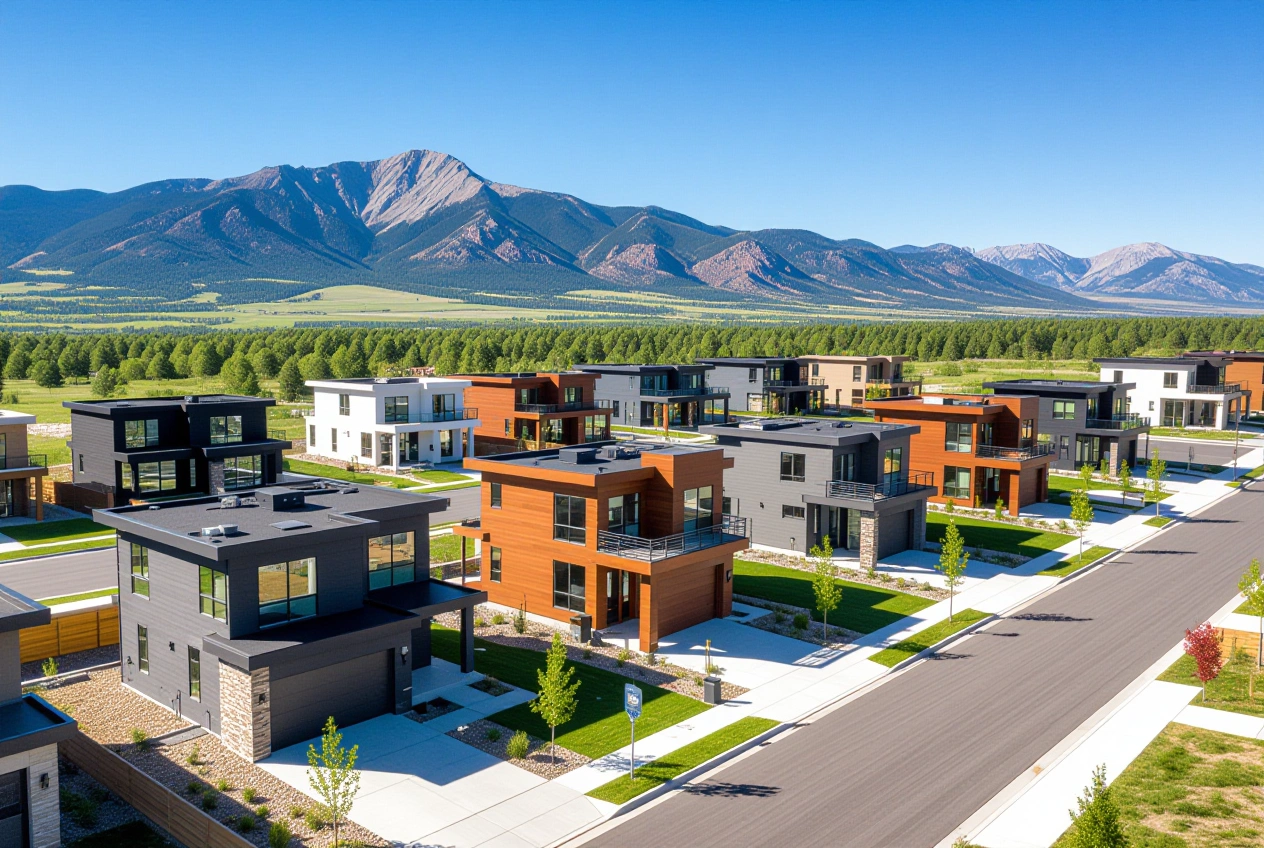
Colorado Housing Development Continues as New Communities Take Shape Across the Front Range
Colorado’s residential development landscape continues to evolve in 2026 as communities across the Front Range plan, approve and build new housing.
From Aurora and Thornton to Castle Rock and other growing communities, new residential projects are adding housing options while local governments continue to invest in infrastructure, permitting systems and updated building standards.
The growth is occurring alongside continued demand for housing and efforts to expand both market-rate and affordable housing opportunities.
Residential Development Remains Active Across the Front Range
Several of Colorado’s growing communities continue to process residential building and development permits.
In Thornton, the city’s Building Inspection Division handles permits and inspections for new construction, while the city continues to process new development and redevelopment applications. The city’s permitting system includes residential, commercial and infrastructure projects.
Aurora is also continuing to process residential construction activity. The city maintains an active building-permit system and updated its requirements in 2026 to incorporate the latest electrical and building standards.
Castle Rock likewise continues to process residential permits and development applications. The town implemented updated building and wildfire codes during the summer of 2026 for new permit applications.
Together, these activities illustrate how development is continuing across the Front Range rather than being concentrated in a single community.
Affordable Housing Investment Is Also Growing
Residential construction in Colorado is not limited to conventional market-rate housing.
The Colorado Housing and Finance Authority (CHFA) continues to support affordable housing, homeownership and community development throughout the state.
CHFA’s July 2026 impact report, covering activity from January through June, reported 2,670 homeowners served through CHFA loans and highlighted the organization’s ongoing investments in housing and community development.
CHFA has also continued awarding housing-related funding during 2026. In July, the organization announced a middle-income housing tax-credit award for Lumberyard Apartments in Aspen and highlighted additional affordable-housing investments throughout Colorado.
These programs are important because increasing housing supply is only part of the challenge. Communities also need housing that is accessible to households across different income levels.
What New Construction Means for Homebuyers
For buyers, new construction can provide an alternative to purchasing an existing home.
New homes may offer:
- Modern energy and building standards
- Updated appliances and systems
- New community amenities
- Lower immediate maintenance requirements
- Different floor-plan and neighborhood options
- Access to builder financing or promotional incentives
However, buyers should compare the complete cost of a new home rather than focusing only on the advertised purchase price.
Property taxes, homeowners association assessments, metro-district fees, insurance, financing costs and future maintenance can all affect the long-term cost of homeownership.
Builders Are Competing for Buyers
The new-home market is also becoming more competitive.
Builders may use incentives such as mortgage-rate assistance, closing-cost contributions, upgrades or other promotions to attract buyers.
These offers can vary by community, builder, inventory level and financing arrangement. Buyers should carefully review the terms and compare the effective cost of different offers before making a decision.
Rather than assuming that every new home comes with the same incentives, buyers should ask builders for the current terms and determine which option provides the best overall value.
New Communities Bring More Than Housing
Residential development affects much more than the number of homes available.
When a new neighborhood is built, communities may also need:
- Roads and transportation improvements
- Water and sewer infrastructure
- Parks and recreational facilities
- Schools and other public services
- Retail and commercial development
- Landscaping and common-area maintenance
- Homeowners association services
This is particularly important for master-planned communities.
As neighborhoods grow, effective community planning and management can become increasingly important to maintaining shared amenities, communicating with homeowners and managing common areas.
Building Standards Are Also Changing
Colorado communities are continuing to update construction standards.
For example, Castle Rock began enforcing updated building and wildfire-resiliency requirements for new permit applications during the summer of 2026.
Thornton also implemented updated building and electrical-code requirements beginning in July and August 2026.
These changes demonstrate that residential development is not simply about building more houses. New construction must also meet evolving standards related to safety, energy efficiency, resilience and building quality.
What Buyers and Communities Should Watch
As Colorado’s housing market continues to develop, several factors will be important to watch:
Housing supply: Continued construction can give buyers more choices.
Builder incentives: Financing assistance and other promotions may affect the overall cost of purchasing a new home.
Construction costs: Labor, materials, land and financing costs continue to influence the price of new homes.
Local development: Growth varies considerably from one municipality to another.
Affordable housing: Public and private investment will remain important as Colorado works to expand housing options for different income levels.
Community infrastructure: New neighborhoods require roads, utilities, amenities and ongoing management.
Final Takeaway
Colorado’s residential construction market continues to evolve in 2026, with communities across the Front Range processing new development and expanding their housing stock.
The story is not simply about record numbers of permits. It is about how Colorado communities are responding to housing demand through new construction, affordable-housing investment, updated building standards and long-term community development.
For homebuyers, new construction can provide additional choices and potentially attractive financing opportunities. For existing homeowners and community associations, continued development can bring changes to infrastructure, traffic, amenities and neighborhood growth.
As Colorado continues to grow, the quality of the communities being built will be just as important as the number of homes being added.