
Boise Approves Six-Month Moratorium on Large Data Centers to Review Community Impacts
BOISE, IDAHO | November 2026
The Boise City Council has unanimously approved a six-month moratorium on new large-scale data center developments, giving city officials time to examine how these facilities could affect local infrastructure, natural resources, and surrounding neighborhoods.
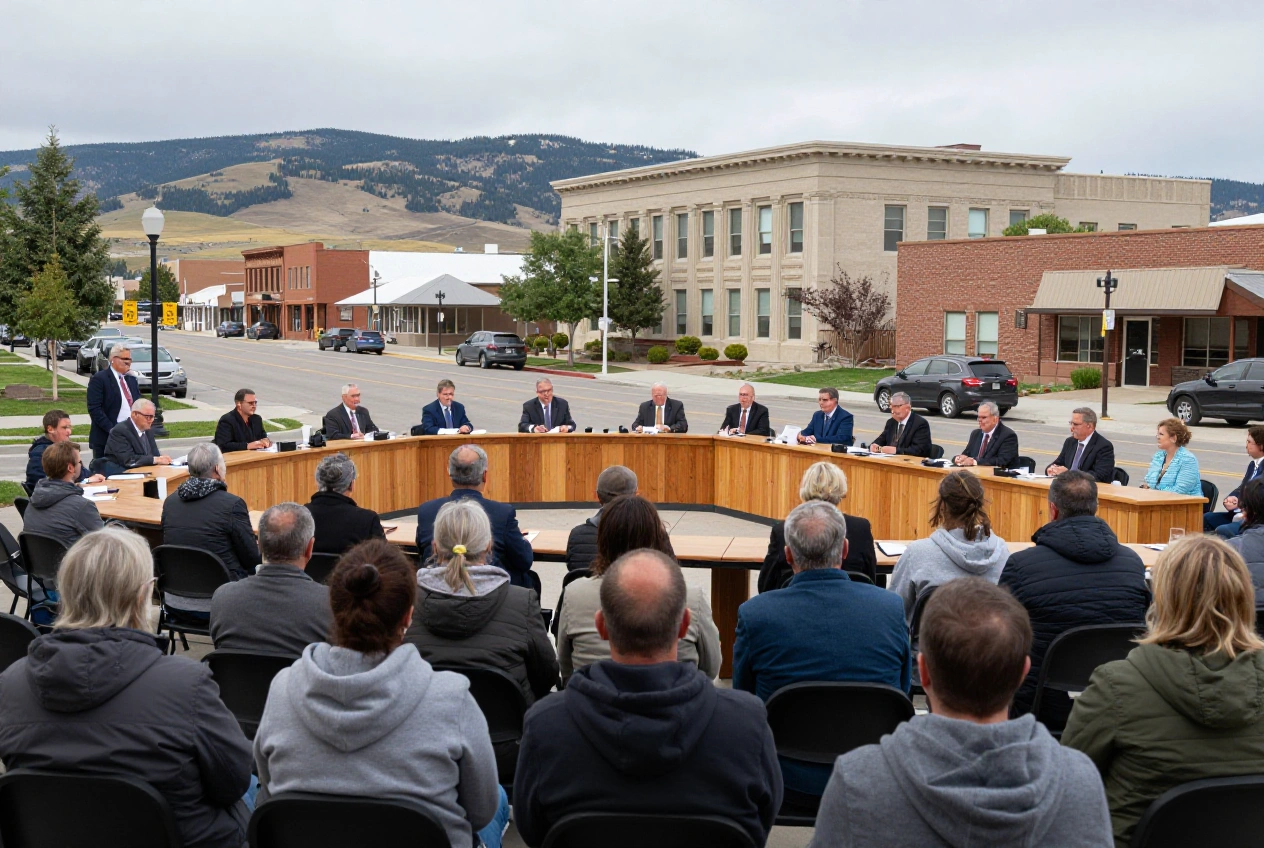
The emergency ordinance was adopted on November 10, 2026, following a public hearing attended by more than 100 residents. The decision reflects growing community interest in how large technology developments could affect Boise’s water supply, electricity demand, wastewater systems, noise levels, and public safety.
The temporary pause is intended to give the city time to review its development regulations before qualifying projects are proposed within its boundaries.
What the Six-Month Moratorium Covers
Under the newly adopted ordinance, Boise will not accept or process land-use entitlement applications for large data centers that meet either of the following thresholds:
- Facilities measuring 100,000 square feet or larger.
- Facilities with projected or actual electricity demand of 20 megawatts or greater at full build-out.
The ordinance applies within Boise’s corporate limits, including properties requesting annexation into the city.
The moratorium took effect immediately following its approval and will remain in place for 182 days.
Importantly, the measure does not prohibit every type of data center development. Smaller facilities that fall below both thresholds are not covered by these specific restrictions. The ordinance also does not establish a permanent ban on large data centers.
Why Boise Officials Approved the Pause
Mayor Lauren McLean proposed the moratorium to give Boise time to understand the potential effects of large data center developments before applications arrive.
According to reporting by the Idaho Capital Sun, the city did not have any qualifying large data center applications pending when the council approved the measure.
City officials said Boise’s existing development code does not specifically address data centers. The temporary pause will allow staff to examine whether additional standards or restrictions are needed.
The review will consider several areas:
- Water use: Potential demand on local water resources.
- Electricity consumption: The amount of power required to operate large facilities.
- Wastewater: Infrastructure capacity and wastewater management.
- Noise and heat: Possible effects on nearby residential areas.
- Public safety: Planning and emergency-response considerations.
- Development regulations: Whether existing city codes adequately address these facilities.
The goal is to develop a clearer regulatory framework before Boise considers future large-scale data center proposals.
Community Members Voice Concerns
The November 10 public hearing drew more than 100 attendees, with residents expressing concerns about the potential environmental and infrastructure impacts of large data centers.
According to the Idaho Capital Sun, everyone who spoke during the hearing supported the moratorium or encouraged the council to adopt even stronger restrictions.
Some residents raised concerns about water consumption, electricity demand, and the broader environmental effects of facilities supporting artificial intelligence and other computing operations.
Environmental and conservation organizations also expressed support for the temporary pause, emphasizing the importance of evaluating long-term community impacts before approving major developments.
The unanimous council decision gives city officials an opportunity to examine these concerns through additional research, public feedback, and potential code changes.
Data Center Development Is Becoming a Wider Idaho Issue
Boise’s decision comes as other Idaho communities consider how to manage the growth of large data centers.
In July 2026, Bannock County adopted a 180-day moratorium on accepting or processing data center permit applications while officials worked on a more comprehensive regulatory approach.
Large-scale data center proposals have attracted attention because of their potential demands on electricity, water, land, and supporting infrastructure.
These facilities can also bring economic development opportunities, including construction activity, investment, and technology-related employment. Local governments therefore face the challenge of balancing potential economic benefits with infrastructure capacity and community concerns.
Boise’s temporary moratorium is one example of how local governments are considering new rules before large projects move into the approval process.
What Happens During the Six-Month Pause?
During the moratorium, Boise officials will review existing policies, assess potential impacts, and gather feedback from residents and other stakeholders.
The findings may help determine whether the city needs new development standards, additional environmental safeguards, or clearer requirements for future data center proposals.
The temporary ordinance does not automatically establish what permanent regulations will look like. Any longer-term changes will depend on the city’s review process and subsequent legislative action.
Residents interested in the issue can follow Boise City Council meetings, public notices, and planning updates for information about opportunities to participate.
What This Means for Residents and Community Associations
Large development proposals can affect more than the properties where they are built. Depending on their location and infrastructure requirements, major projects may raise questions about utility capacity, transportation, noise, land use, and environmental planning.
For homeowners and community associations, these issues highlight the importance of staying informed about development proposals that could affect surrounding neighborhoods.
Community associations can help residents remain informed by sharing relevant public notices, encouraging participation in local planning discussions, and communicating verified updates about nearby development activity.
However, the Boise moratorium applies specifically to qualifying data center projects within the city’s jurisdiction. It does not automatically change development rules for other Idaho cities or counties.
Frequently Asked Questions
What did the Boise City Council approve?
The council unanimously approved a 182-day emergency moratorium on new large data center projects meeting the ordinance’s size or electricity-demand thresholds.
What qualifies as a large data center under the ordinance?
A facility qualifies if it is at least 100,000 square feet or has projected or actual electricity demand of 20 megawatts or greater.
When did the moratorium take effect?
The ordinance took effect immediately after its approval on November 10, 2026.
Does the moratorium permanently ban data centers in Boise?
No. It is a temporary measure intended to give the city time to review its development codes, assess potential impacts, and consider future regulations.
Are all Idaho communities covered by the moratorium?
No. The ordinance applies to Boise’s corporate limits and properties requesting annexation into the city. Other cities and counties make their own land-use decisions.
Why are residents concerned about large data centers?
Community concerns include potential water and electricity consumption, wastewater capacity, noise, heat, and other infrastructure and environmental impacts.
The Takeaway
Boise’s six-month data center moratorium gives city officials time to evaluate the potential effects of large technology developments before qualifying projects can move through the city’s land-use approval process.
The decision reflects a broader discussion taking place in Idaho and across the country about balancing economic development with infrastructure capacity, environmental considerations, and community priorities.
For residents and community associations, staying informed about local planning decisions and participating in public discussions can help ensure that future development is considered with the needs of surrounding neighborhoods in mind.