
-
Arizona Supreme Court Clarifies Attorney-Fee Rules in HOA Neighbor Disputes
An October 28, 2026, decision from the Arizona Supreme Court has clarified how attorney-fee provisions in homeowners association (HOA) governing documents can apply to disputes between neighbors. In Burkett v. Dryja, the Court ruled unanimously that a recorded anti-nuisance covenant can be enforced as a contractual obligation between homeowners—even when the same conduct could also be considered a nuisance under general law.
The decision means that when a lawsuit involves enforcement of a community’s covenants, conditions, and restrictions (CC&Rs), an applicable provision allowing the prevailing party to recover reasonable attorney fees may cover a homeowner who successfully defends against the claim. The ruling highlights the financial importance of understanding a community’s governing documents before pursuing or defending a legal dispute.
Background: A Dispute Over Air-Conditioner Noise
The case arose in Moondance Estates, a Tucson-area subdivision governed by a homeowners association. Neighbors Stephanie Burkett and John and Anita Dryja lived in adjoining patio homes subject to the community’s recorded CC&Rs.
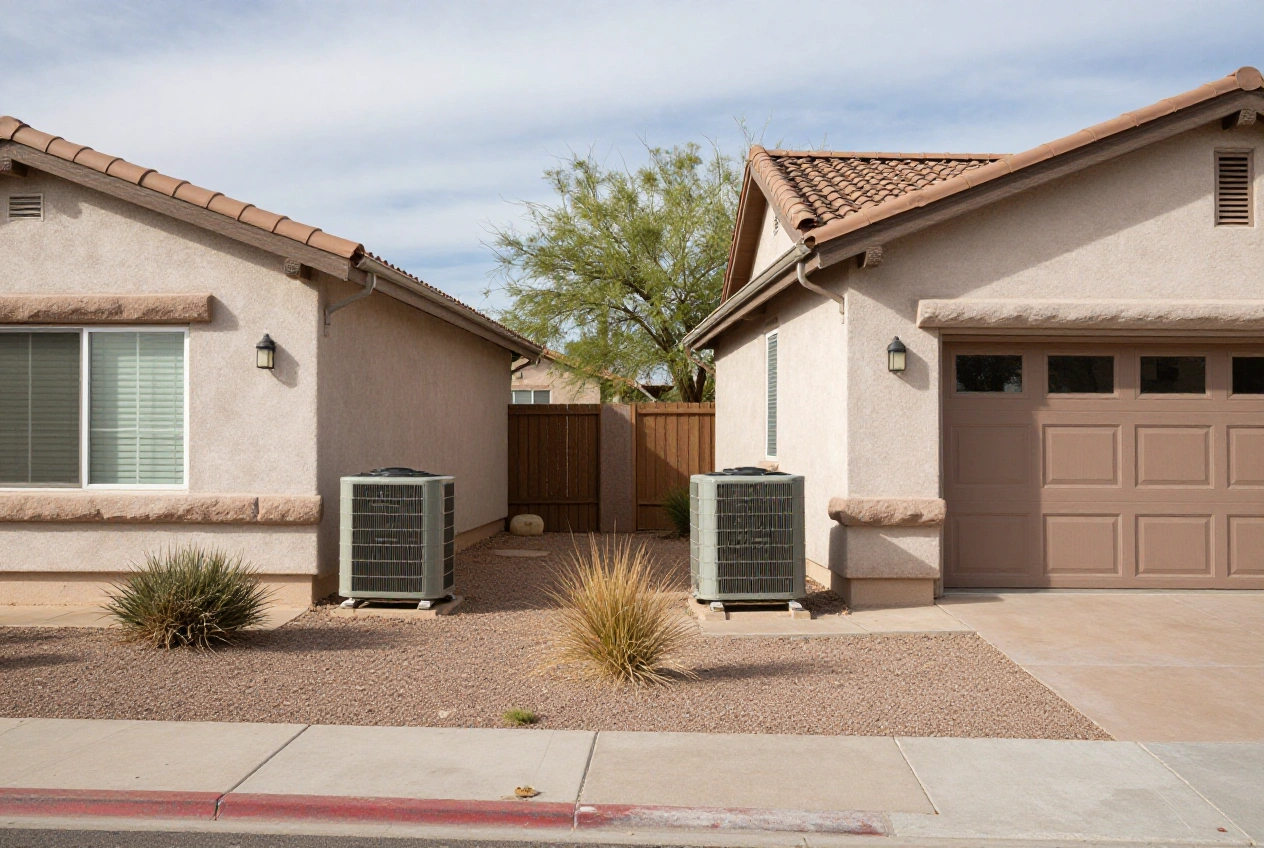
In 2021, the Dryjas replaced their air-conditioning unit and positioned the new unit in a different location on their patio. Burkett complained that the unit’s noise and vibrations could be felt inside her home, particularly in her primary bedroom. After attempts to resolve the disagreement failed, she sued the Dryjas and the association.
Burkett argued that the air-conditioning unit violated the community’s anti-nuisance covenant and sought legal remedies, including changes to the unit’s placement or operation. The Dryjas and the association prevailed at trial.
The association received an award of $60,000 in attorney fees and costs. However, the trial court initially denied the Dryjas’ request for attorney fees, reasoning that the nuisance claim against them was essentially a tort claim rather than a contractual enforcement action. The Arizona Court of Appeals upheld that decision before the matter reached the state Supreme Court.
What the Supreme Court Decided
The Arizona Supreme Court reversed the denial of attorney fees to the Dryjas. It held that a recorded anti-nuisance covenant creates a contractual obligation that one homeowner may enforce against another, even when the prohibited conduct could also violate general nuisance law.
The Court focused on the language of the Moondance Estates CC&Rs. The governing documents included a provision allowing the prevailing party in court proceedings connected with enforcement of the covenants to recover costs and reasonable attorney fees.
Because the lawsuit involved enforcement of those covenants and the Dryjas prevailed, the Court concluded that the fee provision applied to their defense. It sent the case back to the lower court to determine the reasonable attorney fees owed to them.
The decision did not determine that the air-conditioning unit was a legal nuisance. The trial court had found that the noise did not violate the CC&Rs or constitute an actionable nuisance, and that finding was not the issue decided by the Supreme Court.
What This Means for Homeowners and HOAs
The ruling underscores that CC&Rs can have significant financial consequences in neighbor disputes. Depending on the wording of the governing documents and the circumstances of a case, a homeowner who loses a covenant-enforcement lawsuit may face responsibility for the other party’s reasonable legal fees.
However, the decision does not mean that attorney fees must be awarded in every disagreement between neighbors. The availability of fees depends on the applicable governing documents, the nature of the claims, the outcome of the case, and other relevant legal requirements.
For HOAs and community managers, the decision reinforces the importance of understanding and consistently applying governing documents. Clear procedures for handling complaints, documenting investigations, and communicating decisions may help communities address disputes before they escalate into costly litigation.
Homeowners should also recognize that filing a lawsuit over noise, property use, or an alleged covenant violation can carry financial risks. Even a dispute that begins as a disagreement about everyday living conditions may become a costly legal matter.
Practical Considerations for Buyers, Sellers, and Property Managers
Anyone purchasing a home in an HOA-governed community should review the CC&Rs and related rules, paying particular attention to nuisance restrictions, enforcement procedures, and attorney-fee provisions.
Sellers and real estate professionals should address applicable disclosure obligations when relevant disputes or legal proceedings exist. Property managers and association boards should consider seeking legal advice when interpreting enforcement provisions or deciding how to respond to recurring neighbor complaints.
The ruling is specific to Arizona law and the contractual language at issue in Burkett v. Dryja. Its implications for other communities will depend on the wording of their governing documents and the facts of each dispute.
Key Takeaway for Arizona Property Owners
The Arizona Supreme Court’s decision makes clear that recorded community covenants can create enforceable contractual duties between neighbors, and that attorney-fee provisions may apply when those covenants are litigated.
For homeowners, HOA boards, and community managers, the practical lesson is to understand the governing documents before a dispute escalates. Reviewing the relevant provisions and obtaining legal advice when needed can help residents make informed decisions about enforcement, negotiation, and potential litigation costs.