
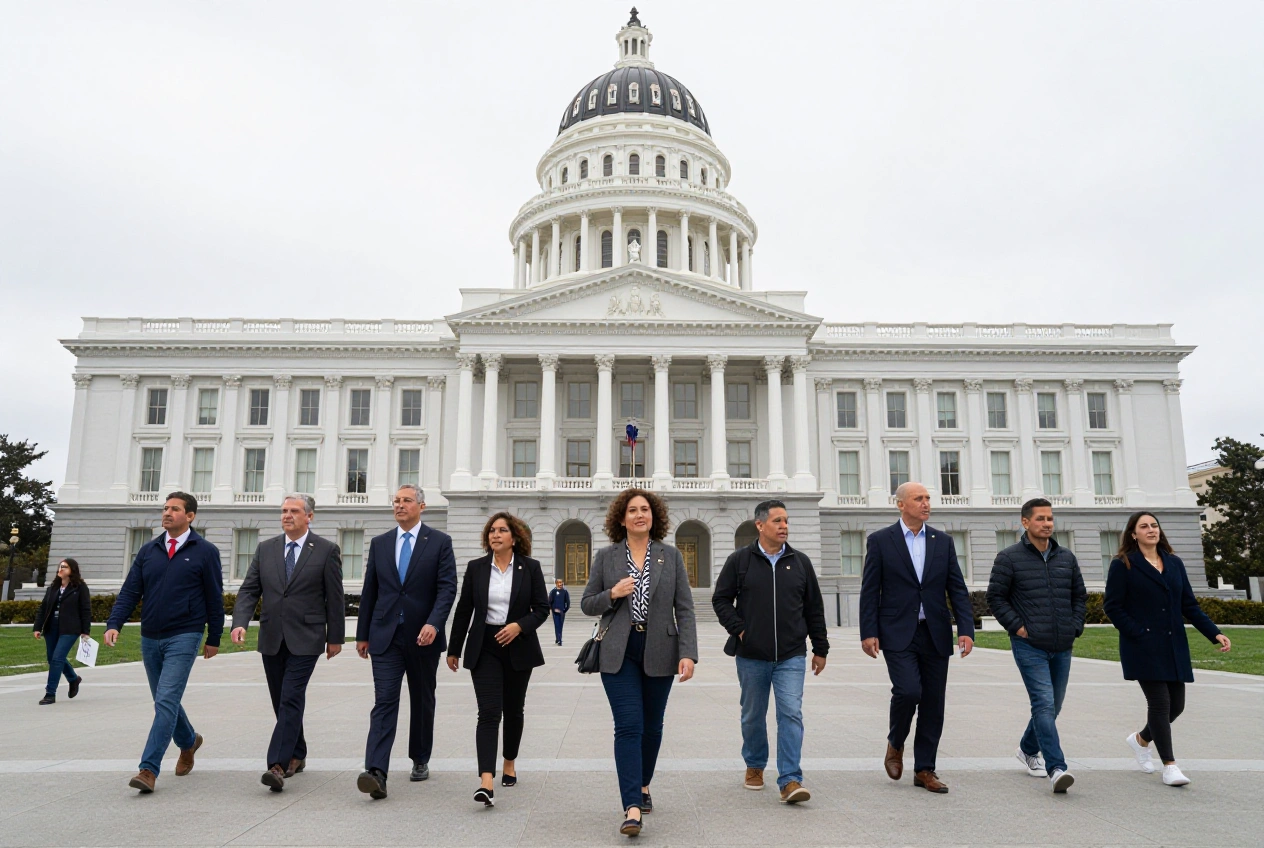
Xavier Becerra Wins California Governor’s Race in Historic Leadership Shift
Democrat Xavier Becerra has won California’s 2026 gubernatorial election, defeating Republican Steve Hilton and positioning himself to succeed term-limited Governor Gavin Newsom in January 2027. The result extends Democrats’ long-standing statewide winning streak and marks a historic moment for Latino representation in California politics.
Becerra, a former California attorney general, congressman, and U.S. secretary of health and human services, campaigned on protecting California’s interests, addressing affordability, and continuing to shape state policy on healthcare and other public services. Hilton, a former television host, campaigned on economic concerns, government accountability, and changes to the state’s approach to homelessness and living costs.
The transition comes as California faces persistent challenges, including high housing costs, pressure on the state budget, homelessness, and infrastructure needs. The new administration’s policy choices will help shape how the state responds to these issues.
Election Results and the Transition Ahead
Becerra’s victory gives Democrats another term in the governor’s office. His administration will inherit responsibility for preparing the state budget, working with the Legislature, and managing a wide range of programs and services.
California’s governor plays a central role in proposing the annual budget and implementing state laws. Major policy changes, however, often require legislative approval, funding decisions, or cooperation with local governments.
As the vote count and certification process proceed, election officials will complete the remaining steps needed to finalize the results. The new administration is expected to take office in January 2027.
Housing Bond Approved by Voters
Housing was one of the major policy issues before California voters. Proposition 1, which authorizes up to $11.25 billion in state bonds for housing programs, was projected to pass.
The bond measure supports housing construction and renovation, including affordable housing and assistance for veterans. Much of the funding is intended to support housing for lower-income residents and people who need specialized housing assistance.
The measure provides a potential source of financing for housing programs, but it does not guarantee an immediate increase in available homes. Projects will still depend on funding allocations, local approvals, construction capacity, and the ability of agencies and developers to deliver housing.
For communities facing affordability challenges, the long-term impact will depend on how effectively the funds are allocated and how quickly projects move from planning to completion.
State Budget Reserves Also in Focus
Proposition 2, a measure to expand California’s rainy-day fund, was also projected to pass.
The measure changes rules governing the state’s budget reserves, allowing a higher cap on savings and adjusting how certain revenues are deposited. Supporters argue that stronger reserves can help California manage future downturns and fluctuations in tax revenue.
California’s finances can be particularly sensitive to changes in income and capital-gains tax collections. Building reserves during stronger economic periods may help the state maintain essential services when revenues decline.
The measure does not eliminate the possibility of future deficits, but it changes the framework for setting aside funds during more favorable budget years.
Other Ballot Measures and Development Policy
Voters also considered proposals involving voter identification, a one-time tax on billionaires’ wealth, and changes to California’s environmental review process.
Proposition 39, which proposed additional voter-identification requirements, was projected to fail. Proposition 40, a proposal for a one-time tax on billionaires’ net worth, was also trailing in the vote count. Both measures remain subject to the official election process.
Proposition 45, which sought to limit certain delays associated with environmental reviews under the California Environmental Quality Act (CEQA), was also projected to fail. Supporters argued that streamlining reviews could help accelerate housing and infrastructure projects, while opponents raised concerns about environmental safeguards and public participation.
These measures reflect continuing debates over how California should balance public accountability, revenue needs, environmental protection, and the delivery of new housing and infrastructure.
What the Election Could Mean for California Communities
For residents, homeowners, and community associations, the election results provide an early indication of the policy environment under the incoming administration.
Housing affordability, state funding, local infrastructure, and public services are likely to remain important topics. The housing bond could support additional projects over time, while changes to state reserves may influence how California prepares for future budget pressures.
However, election outcomes do not automatically determine local housing costs, property values, or community budgets. The practical effects will depend on future legislation, funding decisions, economic conditions, and how state and local agencies implement approved measures.
Looking Ahead
Becerra’s victory marks a significant transition in California leadership. His administration will face the challenge of addressing affordability and public-service needs while managing the state’s budget and working with the Legislature.
For California communities, the next stage will be watching how campaign commitments and voter-approved measures translate into concrete policies, funding decisions, and projects. The effects will become clearer as the new administration establishes its priorities and begins its work in 2027.