
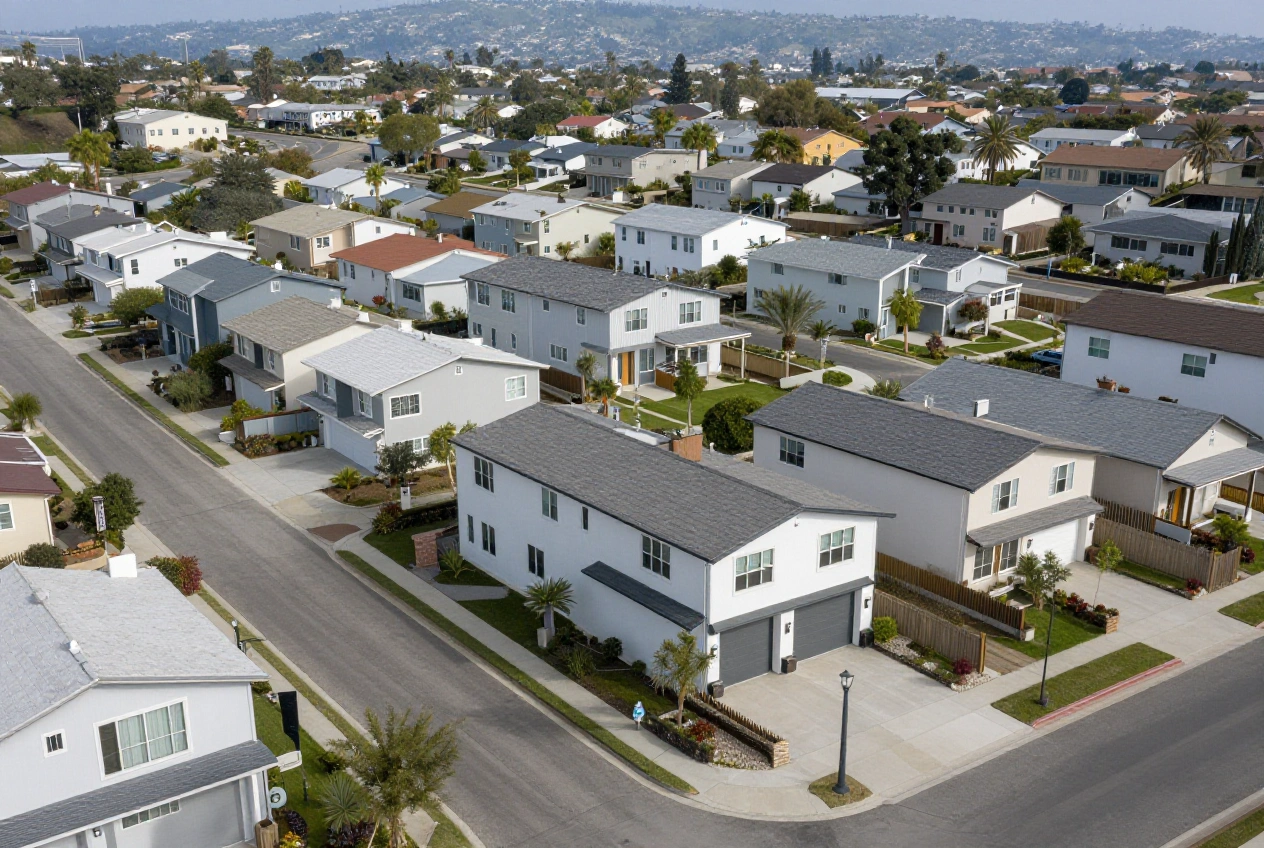
California Expands Starter Home Law to Make Small-Lot Housing Easier to Build
California is expanding its efforts to increase homeownership opportunities through Senate Bill 1116, a new law designed to make it easier to develop smaller homes, townhouses and condominiums on qualifying residential lots.
Governor Gavin Newsom signed SB 1116 on September 29, 2026. The legislation strengthens the state’s Starter Home Revitalization Act by broadening site eligibility and limiting certain local development standards that can prevent qualifying projects from moving forward.
The goal is to create more opportunities for smaller-scale, for-sale housing in established communities. However, the law does not guarantee that every proposed project will be approved or that the resulting homes will be affordable to all buyers.
What Changes Under SB 1116?
The legislation updates California’s existing framework for qualifying small-lot housing developments. Under the law, eligible projects can use a streamlined, ministerial approval process, which generally avoids discretionary review and public hearings when statutory requirements are satisfied.
Key changes include:
- Expanded site eligibility: The law removes the previous five-acre cap for qualifying sites zoned for multifamily residential use and broadens the definition of eligible vacant single-family parcels, including certain properties with abandoned or uninhabitable structures.
- More flexibility in project design: The legislation changes some local standards governing setbacks, lot dimensions and building design so they cannot unnecessarily prevent the housing density allowed under the law.
- Updated height and setback rules: Local governments may regulate building height in feet but cannot separately limit the number of stories under the applicable provisions. Front setbacks generally cannot exceed 10 feet, and internal setbacks between newly created parcels are restricted, subject to applicable building-code requirements.
- A streamlined process for qualifying projects: The law continues the ministerial pathway for eligible subdivisions and housing developments involving no more than 10 parcels and 10 residential units, subject to statutory conditions and exceptions.
These changes are intended to reduce barriers that can make small, for-sale housing projects difficult to build in established neighborhoods.
What Could This Mean for Homebuyers?
Smaller homes, townhouses and condominiums can provide alternatives to traditional detached houses, particularly in areas where land and housing costs are high.
By expanding the range of sites eligible for streamlined approval, SB 1116 could create more opportunities for developers to propose smaller homes in existing communities. Over time, additional construction could offer buyers more choices in some markets.
However, the law alone will not determine the final price of a home. Construction expenses, land values, financing costs, local infrastructure and market demand will continue to influence affordability.
Opportunities for Landowners and Developers
Landowners with qualifying residential parcels may find that their properties have additional development potential under the revised rules. Developers may also benefit from a more predictable approval process for projects that satisfy the law’s requirements.
The changes could be especially relevant to smaller-scale subdivisions and projects that create multiple for-sale homes from eligible lots.
Before moving forward, property owners and developers should confirm zoning, parcel eligibility, access, utility availability, building-code compliance and any other applicable requirements. A streamlined approval pathway does not eliminate every local, state or technical requirement.
What Must Local Governments Do?
SB 1116 requires local governments to submit applicable subdivision ordinances to the California Department of Housing and Community Development (HCD) within 60 days after adoption for review of their compliance with state law.
The legislation also directs local governments to interpret its provisions liberally to maximize housing production. Noncompliant local rules may be challenged or become unenforceable under the law’s applicable procedures.
These requirements are intended to help align local regulations with the state’s rules for qualifying starter-home developments.
What Homeowners and Community Associations Should Know
The legislation may affect development discussions in established residential neighborhoods, particularly where land could qualify for small-lot subdivisions.
Homeowners and community associations should avoid assuming that every vacant parcel can be subdivided or that all existing restrictions automatically disappear. The project must qualify under the statute, and the law contains specific provisions and exceptions concerning applicable development standards and property restrictions.
For community associations, reviewing proposed projects against the actual statutory requirements and seeking qualified legal or planning advice can help clarify what is permitted in a particular location.
Looking Ahead
California’s SB 1116 is another step in the state’s effort to expand housing options and make smaller, for-sale developments easier to pursue.
The practical impact will depend on how developers use the revised pathway, how local governments update their ordinances and whether eligible projects move from planning into construction.
For buyers, sellers and landowners, the key takeaway is to monitor local planning updates and confirm whether a specific property or development qualifies under the new law.