
Hawaii Works to Restore Storm-Damaged Coral Reefs After Hurricanes
Hawaiʻi’s coral reefs are facing a difficult recovery after powerful storms damaged marine ecosystems around the islands in 2026. Conservation teams are assessing the damage and reattaching selected broken coral colonies in an effort to help vulnerable reef areas recover.
The work follows Hurricanes Lala and Lowell, which brought heavy rain, strong winds and powerful surf to parts of the Hawaiian Islands. While restoration teams are making targeted interventions, experts warn that the scale of the damage means recovery will take time and resources.
Why Coral Reef Recovery Matters to Local Communities
Coral reefs play an important role in Hawaiʻi’s coastal environment. They provide habitat for marine life, support fisheries and tourism, and help reduce wave energy reaching shorelines.
When storms break large coral colonies or cover reefs with sediment, the damage can affect the wider ecosystem. Reefs also face ongoing pressures from warming ocean temperatures, pollution and other human impacts, which can make recovery more difficult.
For coastal communities, healthy reefs are part of a broader resilience strategy. Protecting marine ecosystems can complement efforts to safeguard shorelines, homes, roads and other infrastructure from coastal hazards.
Restoration Teams Work to Stabilize Broken Coral
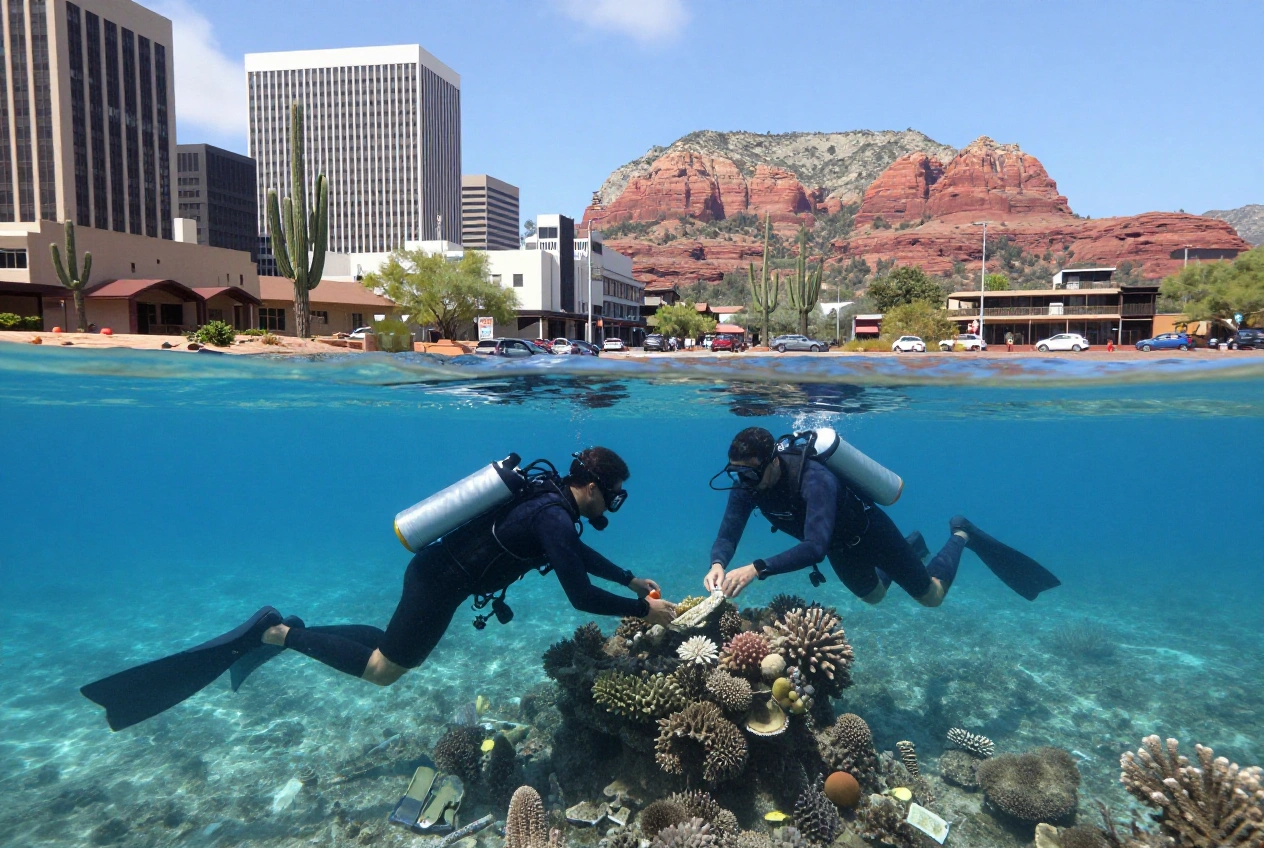
In September, Hawaiʻi Public Radio reported that restoration teams from The Nature Conservancy were surveying storm damage and reattaching selected broken coral colonies around Hawaiʻi Island.
Julia Rose, the organization’s coral restoration program manager, described large colonies that had broken apart and rolled across reefs, leaving some areas reduced to rubble. Her team was using cement to stabilize suitable surviving colonies and help them remain attached to the reef.
The approach is targeted rather than a complete restoration of every damaged area. Some coral colonies are too large or difficult to move safely, while others may have a better chance of surviving if they are secured quickly.
The Nature Conservancy has also reported that Hurricane Lowell triggered another payout under Hawaiʻi’s reef insurance policy. The funding supports emergency reef restoration through the Hawaiʻi Emergency Reef Restoration Network.
Why Recovery Will Take Time
Restoring storm-damaged coral is technically challenging. Teams must identify which colonies can survive, handle fragile coral carefully and secure fragments in ways that allow them to remain stable in their natural environment.
Even when a broken coral is successfully reattached, recovery is not immediate. Coral growth is gradual, and long-term success depends on environmental conditions and the health of the surrounding reef.
Conservation experts also caution that restoration teams cannot repair every damaged area. Limited funding, equipment, staffing and the size of the affected reefs mean that projects must prioritize locations where intervention is likely to make the greatest difference.
Storm Damage Extends Beyond the Reefs
The hurricanes also caused substantial damage to homes, roads and public infrastructure.
In a September 23, 2026 update, Governor Josh Green’s office estimated that the state faced approximately $1 billion in combined disaster recovery and resilience needs following four major disasters: the March Kona Low storms, a May earthquake, Hurricane Lala and Hurricane Lowell.
State agencies identified approximately $686 million in damage and recovery costs, including about $108 million associated with Hurricane Lala and $112.4 million associated with Hurricane Lowell. The state also identified at least $319 million in proposed resilience and mitigation projects.
These figures cover multiple disasters and recovery needs across Hawaiʻi. They should not be interpreted as the cost of coral reef damage alone.
How Residents Can Help Protect Coral Reefs
Residents and visitors can support reef protection by following local ocean guidance and avoiding activities that can damage fragile coral.
Practical steps include:
- Follow posted beach advisories and ocean safety warnings.
- Avoid standing on or touching coral when snorkeling or diving.
- Use reef-safe practices recommended by local marine conservation organizations.
- Support established reef restoration and conservation programs.
- Reduce pollution by disposing of waste properly and preventing runoff where possible.
Anyone interested in volunteering or donating should contact established conservation organizations to learn which projects currently need support.
Looking Ahead
Hawaiʻi’s reef restoration efforts are an important part of the state’s broader recovery from the 2026 storms. Targeted interventions may help selected coral colonies survive, but the wider recovery will depend on sustained resources, careful monitoring and healthy ocean conditions.
For coastal communities, the situation is a reminder that resilience involves more than repairing visible damage. Protecting reefs, restoring infrastructure and preparing for future storms are interconnected parts of safeguarding Hawaiʻi’s environment and communities.