
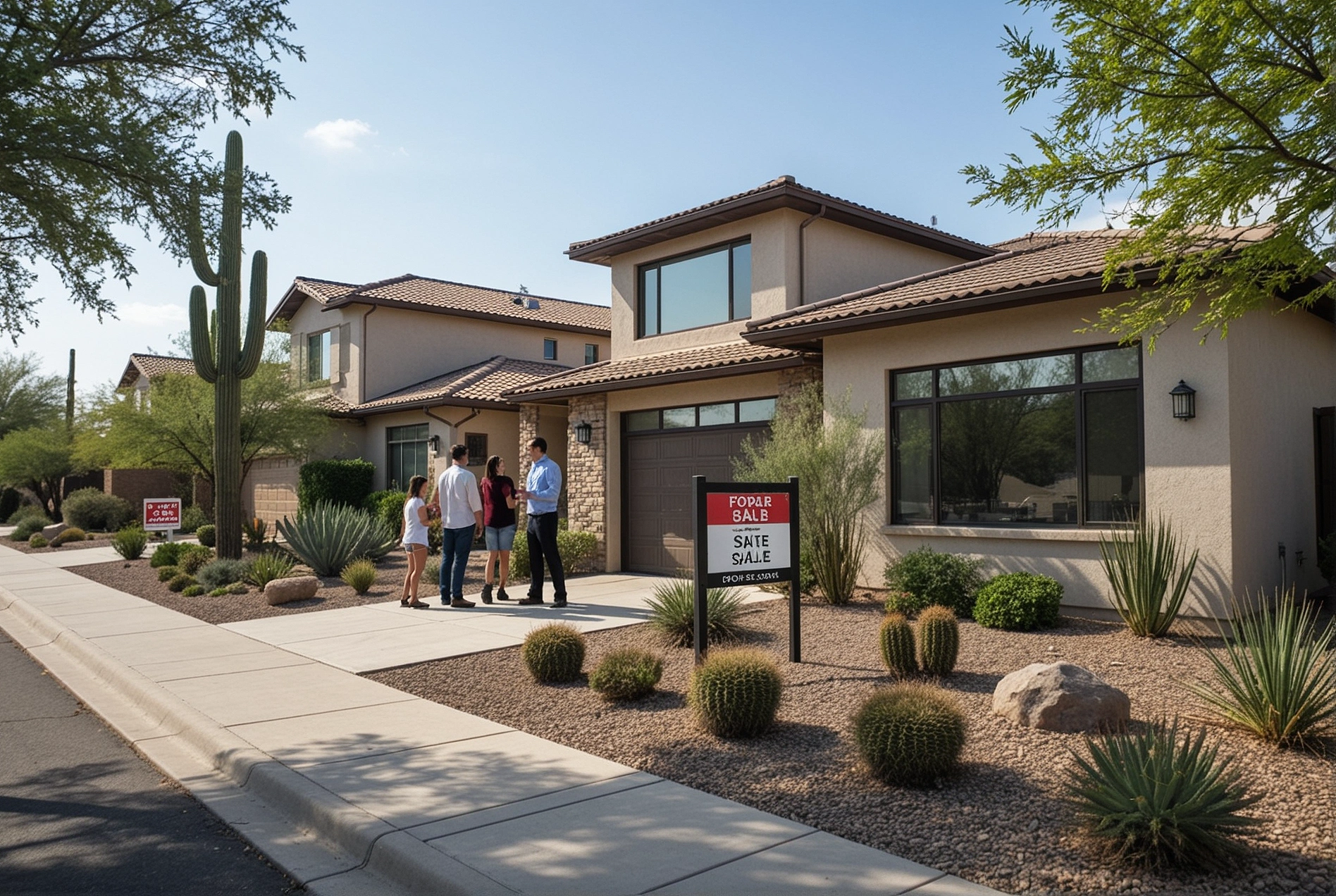
Salt Lake City Housing Market Gives Buyers More Leverage in Early October
Homebuyers in the Salt Lake City–Murray metropolitan area are entering one of the more favorable seasonal periods of 2026, according to Realtor.com’s annual analysis of the best time to buy a home.
For October 4–10, 2026, Realtor.com projects Salt Lake City to have approximately 30.9% more active listings than the average week, while buyer competition is expected to be 38.2% below its May peak. Median listing prices are projected to be 7.4% below their seasonal high, and homes are expected to spend about 16 more days on the market than at the beginning of the year.
The combination gives buyers more choices and potentially more negotiating room, although individual properties and neighborhoods can perform differently.
Why This Matters to Utah Buyers
The early-October window comes as the Salt Lake City market has accumulated more inventory and homes are taking longer to sell.
Realtor.com’s September market report showed 3,923 active listings in Salt Lake City, up 14.1% from a year earlier. The median list price was approximately $564,950, down 3.6% year over year, while the share of listings receiving price cuts increased.
For buyers who have financing in place and are ready to act, the current environment may provide more opportunities to compare properties rather than competing for a limited number of homes.
Realtor.com’s Best Buying Week
Realtor.com’s national analysis identifies September 27–October 3 as the best week to buy nationally in 2026.
However, the timing varies by metro. For Salt Lake City–Murray, the report identifies October 4–10 as the most favorable week.
During that week, Realtor.com projects:
- 30.9% more active listings than the metro’s average week.
- 38.2% less buyer competition than the May peak.
- 7.4% lower median listing prices than the seasonal peak.
- Approximately 16 additional days on market compared with the beginning of the year.
- An estimated 2.3% potential savings compared with the seasonal price peak.
The figures are historical and seasonal projections, not guarantees that every buyer will receive a particular discount.
Salt Lake City Buyers Are Gaining More Choices
The latest local Realtor.com data supports the broader seasonal picture.
Active listings in the Salt Lake City market reached 3,923 homes in September, a 14.1% increase from the previous year. New listings also increased 4.2%, giving buyers a larger selection of properties.
At the same time, the median list price declined to approximately $564,950, while price reductions became more common.
That combination—more listings, longer marketing periods and lower asking prices—can give buyers greater leverage than they had when inventory was much tighter.
Mortgage Rates Remain an Important Factor
The improved negotiating environment does not mean buying a home has become inexpensive.
Mortgage rates remained above 7% in early October. Realtor.com’s October 5 housing update reported that the average 30-year mortgage rate had reached 7.28% the previous week, its highest level in three years.
Higher borrowing costs can offset some of the benefit from lower listing prices.
For example, a buyer may have more negotiating power on the purchase price while still facing a higher monthly payment because of mortgage rates. Buyers therefore need to evaluate the complete cost of the transaction rather than focusing only on the asking price.
Salt Lake County Shows Slower Transaction Activity
Separate Salt Lake County data also points to a market where buyers have gained some additional breathing room.
For the 12 months ending September 30, 2026, the median single-family sale price in Salt Lake County was approximately $633,720, up 1.5% from a year earlier. But September closed sales were 18% lower than the same month in 2025.
The county’s median days on market also increased, while inventory remained above the extremely tight levels seen during earlier housing-market periods.
This combination suggests that buyers are not necessarily facing a broad price collapse, but they may have more time and choice than they did in a highly competitive market.
What This Means for Buyers
For buyers who are financially prepared, the current conditions may offer several advantages:
- More homes to compare.
- Less intense competition than during the spring peak.
- Greater opportunity to negotiate on certain properties.
- More time to conduct inspections and evaluate financing.
- A better chance of finding sellers willing to consider concessions or price adjustments.
However, buyers should not assume that every home will sell below asking price. Desirable properties in sought-after neighborhoods can still attract multiple offers.
What This Means for Sellers
The same conditions create a more competitive environment for sellers.
With more listings available and buyers becoming more selective, pricing a property accurately from the beginning becomes increasingly important.
Realtor.com’s Salt Lake City data shows that sellers are already responding to softer demand through price reductions.
Sellers should therefore pay close attention to comparable recent sales, competing listings, time on market and the condition of their property rather than relying solely on last year’s pricing conditions.
Is This a Market for Investors?
The current environment may provide investors with more opportunities to evaluate properties, but the data does not support a blanket conclusion that Utah is broadly becoming an investor’s market.
Higher mortgage rates, property prices and local rental conditions all affect investment returns.
Investors considering Salt Lake City or surrounding communities should evaluate each property based on purchase price, financing costs, expected rental income, taxes, insurance, maintenance and vacancy assumptions.
Broader Utah Context
The Salt Lake City–Murray metro is only one part of Utah’s housing market.
Statewide August data from Redfin showed Utah’s median sale price at approximately $522,823, down 0.4% year over year, while the number of homes sold declined 10.6% and the number of homes for sale increased 6.2%.
Those figures reinforce the importance of distinguishing between Salt Lake City-specific seasonal conditions and the broader Utah market.
Key Takeaway
The October 4–10, 2026 period is identified by Realtor.com as the best buying week of the year for the Salt Lake City–Murray metro, based on its combination of increased inventory, reduced competition and seasonally lower listing prices.
That does not mean every buyer will receive a major discount or that Utah home prices are entering a sharp decline.
Instead, the current data points to a market where buyers have more choices and potentially more negotiating power, while sellers face greater pressure to price properties competitively.
For anyone considering a purchase this fall, the most important factors remain the individual property’s price, condition, financing terms and location—not simply the calendar week.