
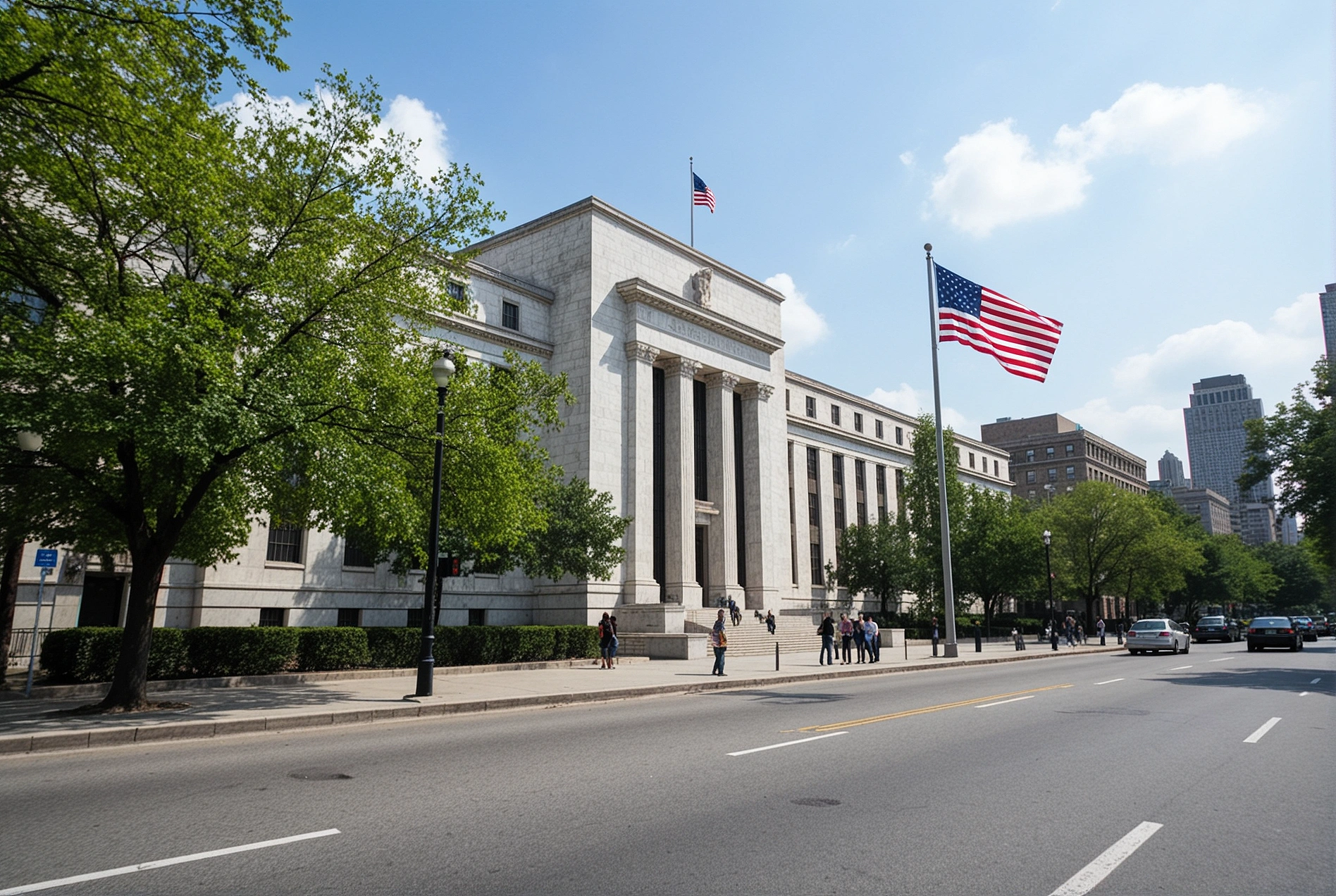
Federal Reserve Raises Interest Rates as Inflation Concerns Continue to Shape the Economy
U.S. Economy | Federal Reserve | Mortgage Rates | Housing Market
The Federal Reserve has raised its benchmark interest rate as policymakers continue to address inflation and evaluate the overall health of the U.S. economy.
On September 16, 2026, the Federal Open Market Committee (FOMC) increased the federal funds target range by 0.25 percentage points, bringing it to 3.75%–4.00%.
The decision reflects the central bank’s continued focus on price stability while supporting sustainable economic growth and employment.
For homeowners, prospective buyers, and businesses, the change highlights the importance of monitoring borrowing costs and understanding how monetary policy can influence financial decisions.
Why the Federal Reserve’s Decision Matters
The Federal Reserve uses monetary policy to influence financial conditions throughout the U.S. economy.
When interest rates rise, borrowing can become more expensive for households and businesses. This can influence consumer spending, business investment, housing demand, and overall economic activity.
The Fed’s September decision came as inflation remained elevated. In its official statement, the central bank noted that economic activity was expanding at a solid pace, domestic spending remained resilient, and inflation continued to exceed its long-term 2% goal.
Policymakers are therefore balancing the need to bring inflation under control with the importance of maintaining a stable labor market and supporting economic activity.
The effects of these decisions are not immediate or uniform. Different sectors and households can experience changes in borrowing costs and financial conditions at different times.
How Interest Rates Affect the Housing Market
Federal Reserve policy can influence the housing market, although mortgage rates do not move in direct lockstep with the federal funds rate.
Mortgage rates are also affected by Treasury yields, inflation expectations, investor demand, and broader financial market conditions.
Higher borrowing costs can affect housing affordability by increasing monthly mortgage payments for buyers financing a home purchase.
For existing homeowners with fixed-rate mortgages, a change in the federal funds rate generally does not alter their current mortgage interest rate. However, homeowners with adjustable-rate loans or plans to refinance may be more directly affected by changing interest rates.
For the real estate market, borrowing costs can influence buyer demand, home sales, and decisions about moving or purchasing additional properties.
These effects vary depending on local inventory, home prices, employment conditions, and the availability of financing.
What the Rate Increase Means for Consumers
The Federal Reserve’s policy decisions can influence several areas of household finances.
Mortgage rates: Higher federal funds rates can contribute to tighter financial conditions, but mortgage rates depend on additional market factors. Buyers should compare current loan offers rather than assume mortgage rates will move by the same amount as the Fed’s adjustment.
Credit cards: Many credit cards have variable interest rates linked to benchmark rates. When these benchmarks adjust, borrowers may see changes in their interest charges.
Savings accounts: Banks may adjust savings account yields in response to changes in market interest rates. The timing and size of these changes vary by financial institution.
Auto loans: Vehicle financing costs are influenced by market interest rates, credit profiles, loan terms, and lender-specific pricing. A Fed rate increase does not automatically result in an equivalent increase in every auto loan.
For households managing multiple financial obligations, reviewing monthly expenses and understanding the terms of existing loans can help support more informed financial decisions.
Economic Indicators Will Shape Future Fed Decisions
The Federal Reserve’s next policy decisions will depend on incoming economic data and changing financial conditions.
Inflation, employment, consumer spending, and economic growth remain important indicators for policymakers.
Recent employment data released on October 2, 2026, showed that the U.S. economy added 29,000 jobs in September, below economists’ expectations. The unemployment rate increased slightly to 4.2%.
Meanwhile, inflation remains above the Federal Reserve’s 2% target. These mixed signals illustrate the challenge policymakers face when evaluating whether additional interest rate adjustments are appropriate.
Federal Reserve officials have expressed differing views about the timing and need for further rate increases. Their comments underscore that future decisions remain dependent on how the economic outlook develops.
The next FOMC meeting is scheduled for October 27–28, 2026.
What Homeowners and HOA Boards Should Watch
Changes in interest rates can also have indirect effects on homeowners associations and property management.
When borrowing costs remain elevated, some homeowners may face greater financial pressure, while associations may encounter higher financing expenses for major capital projects.
HOA boards and property managers can take several practical steps to prepare for changing economic conditions:
- Review operating budgets: Monitor expenses and evaluate whether current budgets adequately account for rising service and financing costs.
- Evaluate reserve funding: Maintain long-term reserve planning for major repairs, replacements, and capital improvements.
- Monitor borrowing expenses: If an association is considering a loan for a major project, review financing terms and assess the impact of different interest rate scenarios.
- Communicate with homeowners: Provide clear updates about association expenses, planned projects, and potential changes in assessments.
- Plan for financial flexibility: Consider different economic scenarios when making long-term financial and maintenance decisions.
Proactive financial management can help associations respond to changing economic conditions while maintaining essential community services.
Looking Ahead: Interest Rates and the Housing Market
The Federal Reserve’s September 2026 rate increase highlights the continued importance of inflation and economic conditions in shaping U.S. monetary policy.
For prospective buyers, homeowners, and real estate professionals, the direction of interest rates remains an important consideration. However, mortgage rates, home prices, and housing demand are influenced by a combination of national and local factors.
As the Fed evaluates new economic information ahead of its October meeting, consumers and community associations can benefit from staying informed and reviewing their financial plans.
At NVCM, we believe informed financial planning and proactive property management are essential to helping communities remain resilient as economic conditions evolve.