
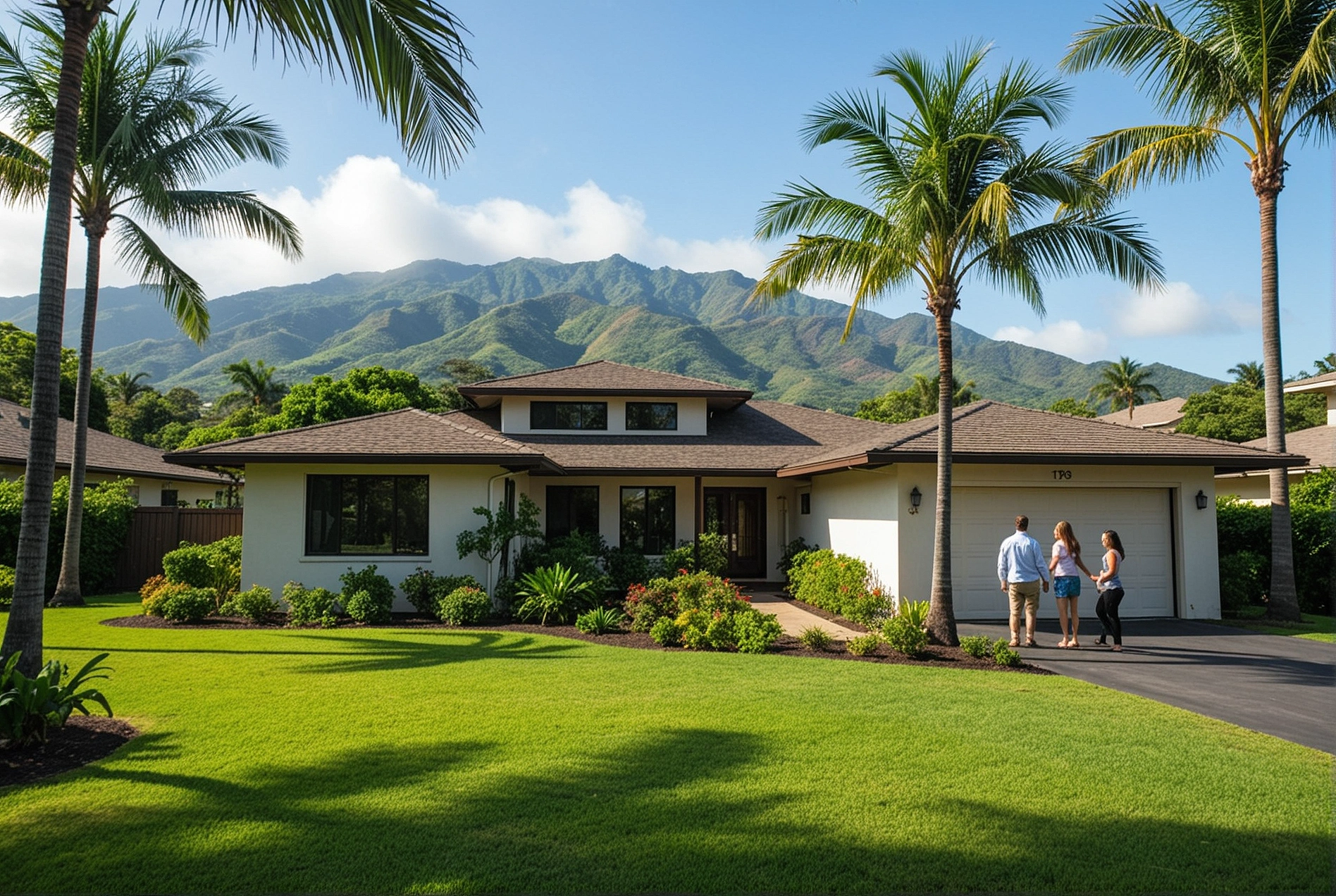
Hawaii’s Real Estate Market Shows Signs of Cooling as Inventory Grows
Hawaii’s real estate market is showing signs of a shift as more homes become available for sale. With rising inventory and buyers taking more time to make decisions, the market is offering more choices and potentially greater negotiating flexibility than during the pandemic-era housing boom.
More Homes Are Hitting the Market Across Hawaii
Residential inventory has reportedly increased across major markets, including Oahu, Maui, and the Big Island. As more properties become available, buyers may have additional opportunities to compare homes, locations, and prices before making a decision.
Homes are also taking longer to sell than during the period of intense demand that followed the pandemic. Some properties remain listed for several weeks before attracting an offer, making pricing and presentation increasingly important for sellers.
Buyer Activity Becomes More Measured
Buyer activity appears more moderate than during the recent housing surge. Open houses may attract fewer visitors, while prospective buyers take additional time to evaluate their options.
This shift can be especially noticeable in mid-priced property segments, where competition may be less intense. Some sellers are adjusting asking prices to better reflect market conditions and attract qualified buyers.
What the Changing Market Means for Buyers and Sellers
For buyers with stable finances and financing already in place, increased inventory may create more room to negotiate. Depending on the property and seller’s circumstances, potential negotiations could include the purchase price, closing costs, or other terms.
Sellers, meanwhile, may need to take a more strategic approach. Competitive pricing, effective staging, quality listing photos, and realistic expectations can help a property stand out and reduce the risk of an extended time on the market.
Market conditions can vary significantly by island, neighborhood, property type, and price range. Local data remains essential when evaluating a specific property or deciding when to buy or sell.
Practical Tips for Navigating Hawaii’s Housing Market
-
Review recent local listings: Compare asking prices, property features, and time on market using local real estate resources.
-
Study neighborhood-level trends: Island-wide figures may not reflect conditions in a particular community or price range.
-
Get professional guidance: Consult a licensed Hawaii real estate professional for current market data and advice tailored to your goals.
-
Prepare before negotiating: Buyers should understand their financing and likely costs, while sellers should review comparable properties before setting an asking price.
As Hawaii’s housing market adjusts, buyers and sellers can benefit from staying informed and making decisions based on current local conditions rather than relying on trends from the pandemic-era market.