
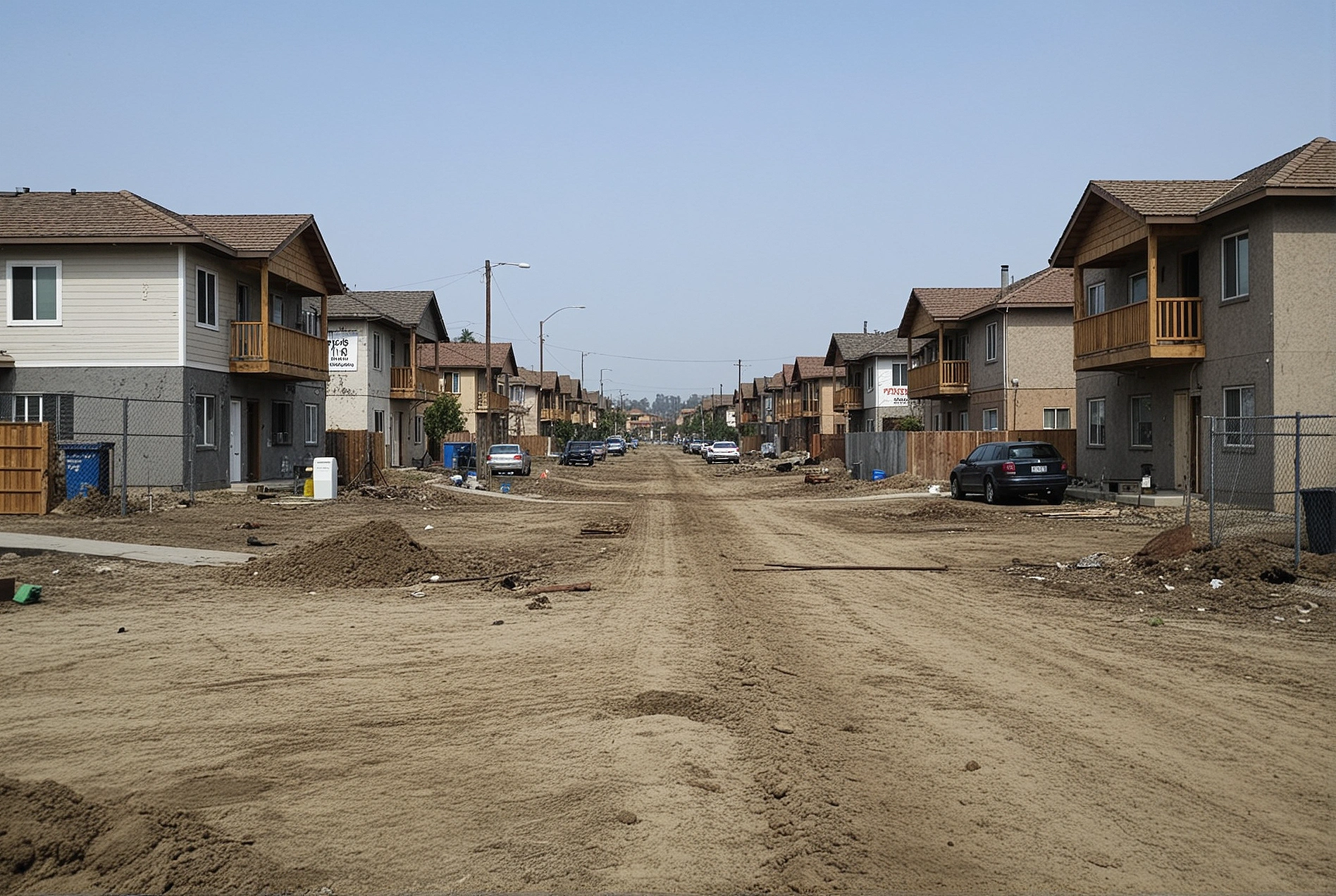
California Expands Affordable Housing Development Through State Funding and Local Projects
California Housing Market Update | Affordable Housing | Community Development
California continues to advance affordable housing development through state funding programs, local partnerships, and projects designed to increase housing availability across the state.
In September 2025, the California Department of Housing and Community Development announced more than $414 million in funding for 30 affordable housing projects expected to create 2,099 homes throughout California. The funding supports housing opportunities for low- to extremely low-income households and reflects the state’s ongoing efforts to address its housing challenges.
State Funding Helps Move Affordable Housing Projects Forward
California has introduced several funding initiatives to help affordable housing developers overcome financial barriers and bring projects closer to completion.
One notable initiative is the California Housing Accelerator, launched in 2021 with an initial allocation of $1.75 billion. The program was designed to provide financing for affordable housing developments that were ready to move forward but faced funding gaps.
By September 2022, the program had awarded approximately $1.9 billion to 57 projects expected to deliver 5,070 affordable housing units.
These investments demonstrate how public funding can support housing construction and help expand access to affordable homes across California.
Local Housing Developments Create New Opportunities
Housing expansion is also taking place at the local level, where cities and counties are working with developers and housing organizations to deliver new residential communities.
In August 2026, Santa Clara County and Eden Housing broke ground on East Santa Clara Senior, a 68-unit affordable housing development in downtown San José.
Designed for older adults, the project is an example of local efforts to address housing needs while supporting more inclusive and accessible communities.
Developments like this highlight the role of local partnerships in expanding housing options and responding to the needs of different population groups.
What New Housing Developments Mean for Homeowners and HOAs
As new residential projects take shape, existing neighborhoods may experience changes that affect homeowners, community associations, and property managers.
Some potential considerations include:
- Infrastructure and maintenance: Additional residential development can increase demand for roads, utilities, drainage systems, and other community infrastructure.
- Traffic and accessibility: New housing may affect traffic patterns, parking availability, and access to nearby amenities.
- Community planning: HOA boards may need to review neighborhood development plans and consider how nearby projects could affect their communities.
- Property management needs: Growing residential areas can create new demands for maintenance, communication, and long-term community planning.
Understanding local development activity can help HOA boards and homeowners make informed decisions about their communities and prepare for potential changes.
Looking Ahead: Building Stronger Communities Across California
California’s affordable housing initiatives demonstrate the importance of collaboration between state agencies, local governments, developers, and housing organizations.
While expanding housing availability is an important part of addressing the state’s housing challenges, thoughtful community planning and effective property management remain essential to supporting sustainable neighborhoods.
For homeowners and HOA boards, staying informed about local development projects can provide valuable insight into the future of their communities.
At NVCM, we believe that strong communities are built through proactive management, informed planning, and a commitment to creating better places to live.