
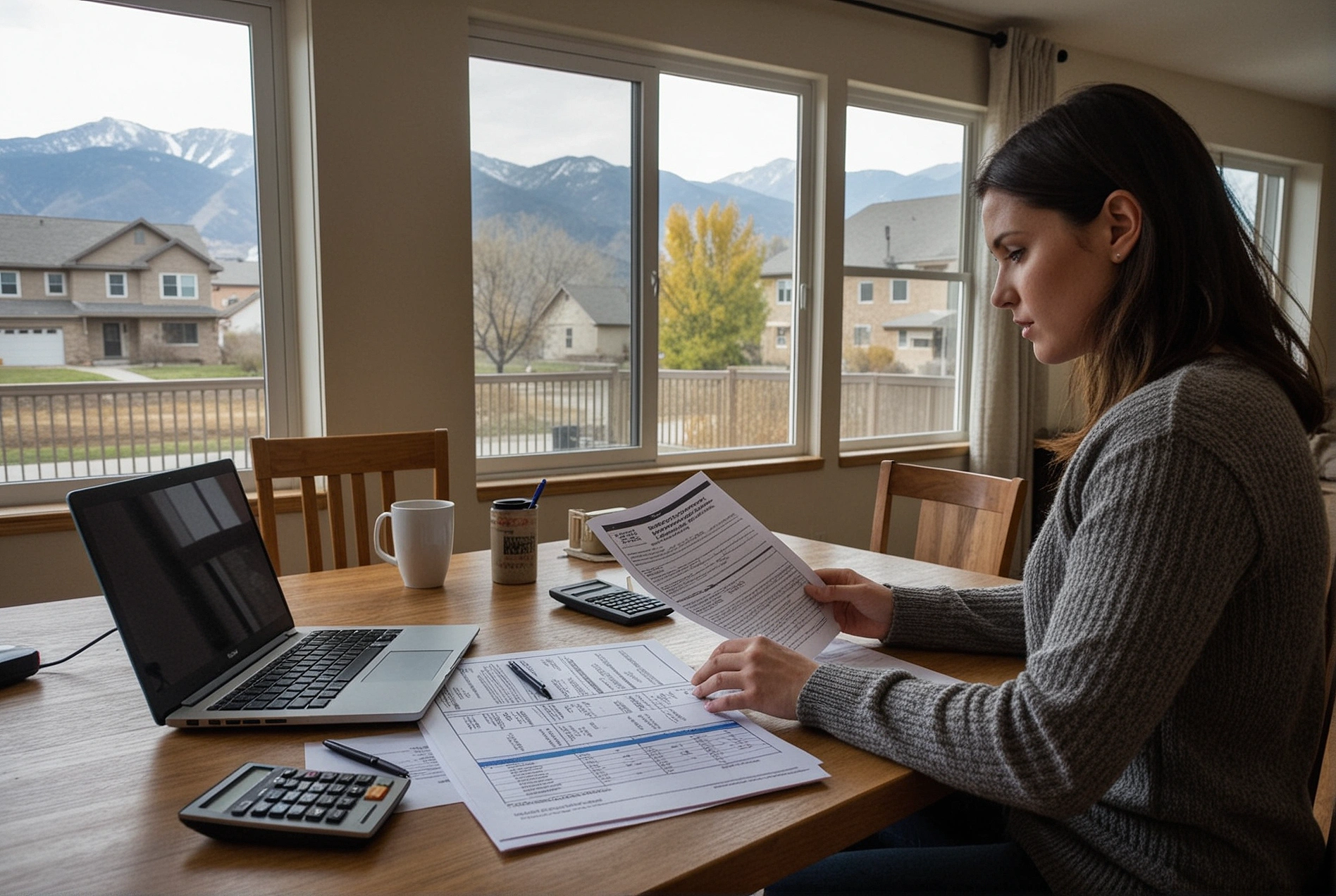
Utah Property Owners Can Challenge Property Valuations Through County Appeals
Utah homeowners and other property owners who believe their property has been incorrectly valued can challenge the assessment through the state’s established property-tax appeal process.
For locally assessed real property, the process generally begins with the County Board of Equalization. Property owners must provide evidence supporting their proposed value, and the county board reviews the appeal before issuing a written decision.
Why the Appeal Process Matters
Utah property taxes are based on a property’s fair market value as of January 1 of the tax year. County assessors determine the value of locally assessed property and issue valuation notices to property owners during the summer.
A higher market value does not automatically mean taxes will increase by the same percentage, because the final tax bill also depends on tax rates and applicable exemptions. However, an owner who believes the county’s market value is inaccurate can challenge that valuation.
Know the Filing Deadline
For locally assessed real property, the Utah State Tax Commission says the appeal deadline is generally September 15.
The commission’s detailed property-valuation guidance specifies that an appeal must be filed by the later of:
- September 15, or
- 45 days after the mailing date shown on the Notice of Property Valuation and Tax Changes.
The notice itself should provide information about the applicable filing deadline and the county’s appeal process.
Missing the deadline can cause the property’s current valuation to become final for that tax year, subject to limited exceptions.
What Evidence Can Support an Appeal?
Property owners should be prepared to explain why they believe the county’s valuation does not accurately reflect the property’s fair market value.
Potential supporting evidence can include:
- Recent comparable sales
- An independent appraisal
- Photographs showing the property’s condition
- Documentation of property defects or needed repairs
- Evidence of errors in the county’s property records
- Other information supporting the owner’s proposed market value
The State Tax Commission notes that the assessed value is generally presumed correct unless evidence demonstrates that another value is more representative of the property’s actual fair market value.
What Happens After Filing?
Once an appeal is properly filed, the County Board of Equalization reviews the evidence and issues a written decision.
If the property owner disagrees with the county board’s decision, the owner can generally appeal to the Utah State Tax Commission within 30 days of the date on the county’s decision.
The Tax Commission’s appeals process can include mediation, an initial hearing or a formal hearing, depending on the circumstances. Mediation is available as a way to attempt to resolve a dispute before a formal hearing.
What This Means for Homeowners and Investors
For homeowners, reviewing the annual valuation notice can help identify potential errors before the appeal deadline passes.
Property investors and commercial owners should also monitor valuations because changes in assessed value can affect annual property-tax expenses. Commercial property appeals may have different requirements and deadlines depending on the type of property and assessment involved.
Because the appeal process is based on the property’s value rather than simply the amount of taxes owed, owners should focus their evidence on what they believe the property’s fair market value should be.
Practical Takeaway
Utah property owners do have a formal process for challenging property valuations, but the current state guidance does not establish a new statewide review prompted by recent administrative inconsistencies.
Owners who disagree with their assessment should review their Notice of Property Valuation and Tax Changes, gather evidence supporting their proposed value and file with their county Board of Equalization before the applicable deadline.
For the most accurate deadline and filing instructions, property owners should check their county’s information and the Utah State Tax Commission’s current property-tax appeal guidance.