
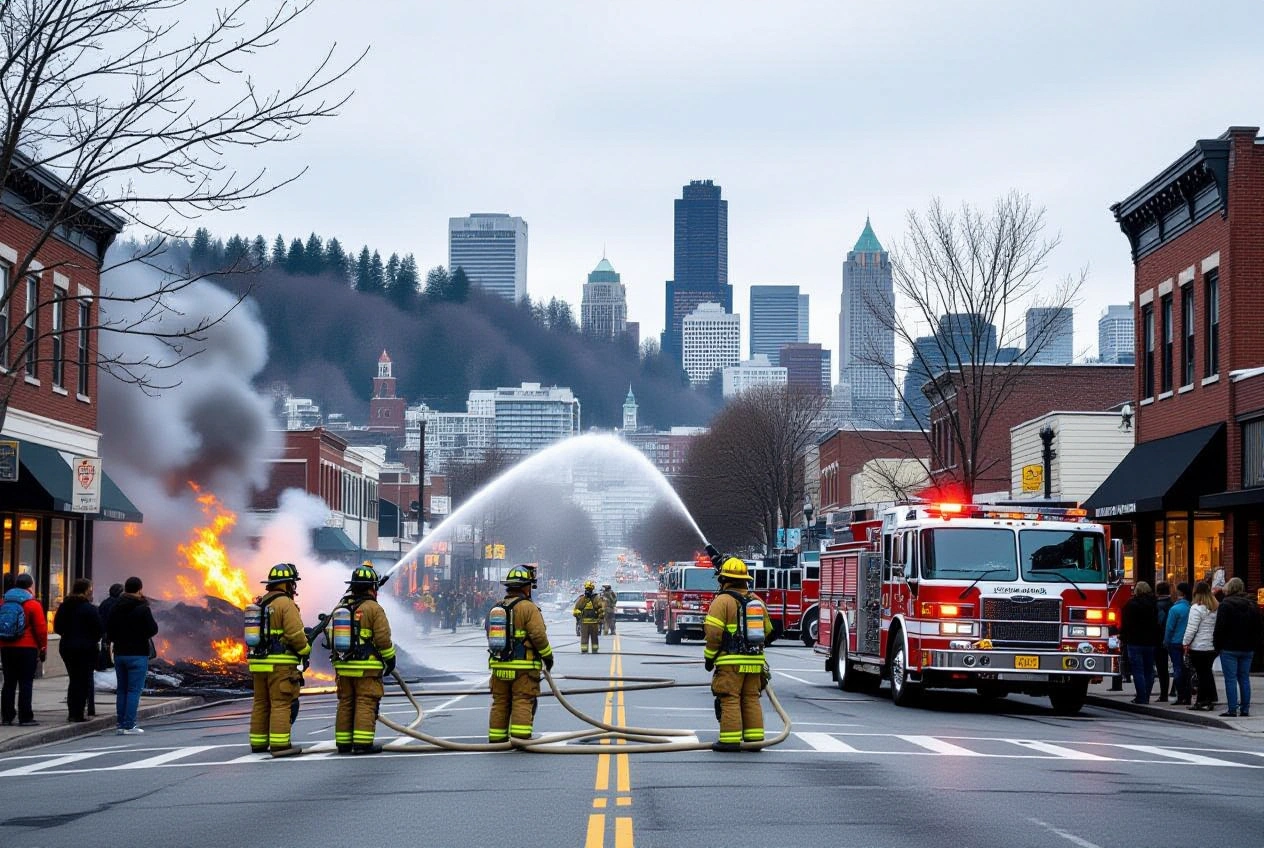
Western Wildfires Highlight the Importance of Community Preparedness
Wildfire activity across the Western United States remains a serious concern as communities in several states continue to face hot, dry conditions and elevated fire risk.
Oregon has experienced an especially active 2026 wildfire season, with more than 2.6 million acres burned statewide, according to recent reporting. Federal wildfire officials have also identified areas across the West where significant fire potential remains above normal during August and September.
For homeowners and communities located near wildland areas, the current fire season is an important reminder that emergency preparedness should be part of long-term community planning.
Wildfires Continue to Affect Western Communities
Wildfires can have impacts far beyond the areas where flames are actively burning.
Depending on the location and severity of a fire, residents may experience:
- Evacuation orders or warnings
- Temporary road closures
- Poor air quality from wildfire smoke
- Power disruptions
- Changes to transportation routes
- Temporary closures of parks and public facilities
- Property damage or loss
- Disruption to local businesses and services
Oregon officials, for example, previously issued Level 2 and Level 3 evacuation notices for communities near the Rowe Creek Complex in Wheeler County as multiple fires expanded in the area. State fire officials also mobilized additional firefighting resources to assist local agencies.
The situation surrounding individual fires can change quickly, making it important for residents to rely on current information from local emergency-management agencies.
California Continues to Monitor Active Fires
California also continues to manage multiple wildfire incidents.
CAL FIRE’s incident information shows active fires across several counties, including incidents in Northern California and other parts of the state. The agency regularly updates fire information, including acreage and containment levels.
However, CAL FIRE cautions residents that its incident website should be considered a reference rather than an immediate evacuation-alert system.
Residents should follow instructions from local law enforcement, emergency-management agencies and official evacuation-alert systems when an emergency occurs.
Idaho and the Northern Rockies Remain at Risk
Idaho is also facing elevated wildfire concerns this summer.
The Idaho Department of Lands’ 2026 preseason fire briefing warned that significant fire potential was expected to increase during the summer, with much of the state reaching an above-normal fire-potential classification by August. The briefing also cited below-normal and early-melting snowpack as factors contributing to increased fire-season concerns.
These conditions demonstrate why wildfire preparedness remains important even for communities that are not currently experiencing an active fire.
Why This Matters to Homeowners and HOAs
Wildfires can create unique challenges for homeowners associations and community managers.
HOAs located near wildfire-prone areas should consider whether residents understand:
- Where evacuation information comes from
- Which roads should be used during an emergency
- How emergency alerts are distributed
- Where residents can find community emergency information
- How common areas and landscaping are maintained
- How vulnerable vegetation and structures are managed
- What responsibilities belong to homeowners versus the association
Clear communication can become especially important during rapidly developing emergencies.
Residents may have only a limited amount of time to respond to an evacuation warning, so knowing where to find reliable information before an emergency occurs can make a significant difference.
Preparing Your Community Before a Wildfire
Homeowners can take several steps to improve their preparedness.
Create an evacuation plan
Every household should know at least two potential evacuation routes when possible and have a plan for pets, medications, important documents and other essential items.
Stay informed
Residents should sign up for official emergency alerts from their county or municipality and monitor local emergency-management agencies during periods of elevated fire danger.
Prepare the property
Homeowners in wildfire-prone areas should review landscaping, vegetation and other materials around their homes that could contribute to fire spread.
Know your community’s emergency procedures
HOA residents should understand how their community communicates emergency information and where official updates will be posted.
Follow evacuation orders
If authorities issue an evacuation order, residents should leave promptly and follow official instructions rather than waiting for conditions to deteriorate.
Smoke Can Affect Communities Far From the Fire
Wildfire impacts are not limited to areas immediately surrounding a fire.
Smoke can travel considerable distances and cause unhealthy air-quality conditions in communities that are not directly threatened by flames.
Residents who experience poor air quality should monitor official air-quality information and follow guidance from public-health and emergency-management agencies.
Community Preparedness Is a Shared Responsibility
Wildfire preparedness involves homeowners, HOAs, local governments, emergency responders and utility providers.
For community associations, preparedness can include maintaining clear communication channels, keeping residents informed about emergency procedures and coordinating with local authorities when appropriate.
For homeowners, preparedness means having an evacuation plan, maintaining their property responsibly and knowing where to obtain reliable emergency information.
Final Takeaway
The 2026 wildfire season is another reminder that Western communities need to prepare for emergencies before they happen.
Wildfires can change quickly, and evacuation information may change from one hour to the next. Residents should therefore rely on official local alerts and emergency-management agencies rather than social media posts or outdated reports.
For homeowners and community associations, preparedness is not simply about responding when a fire starts. It is about building a community that knows how to communicate, prepare and respond before an emergency occurs.