
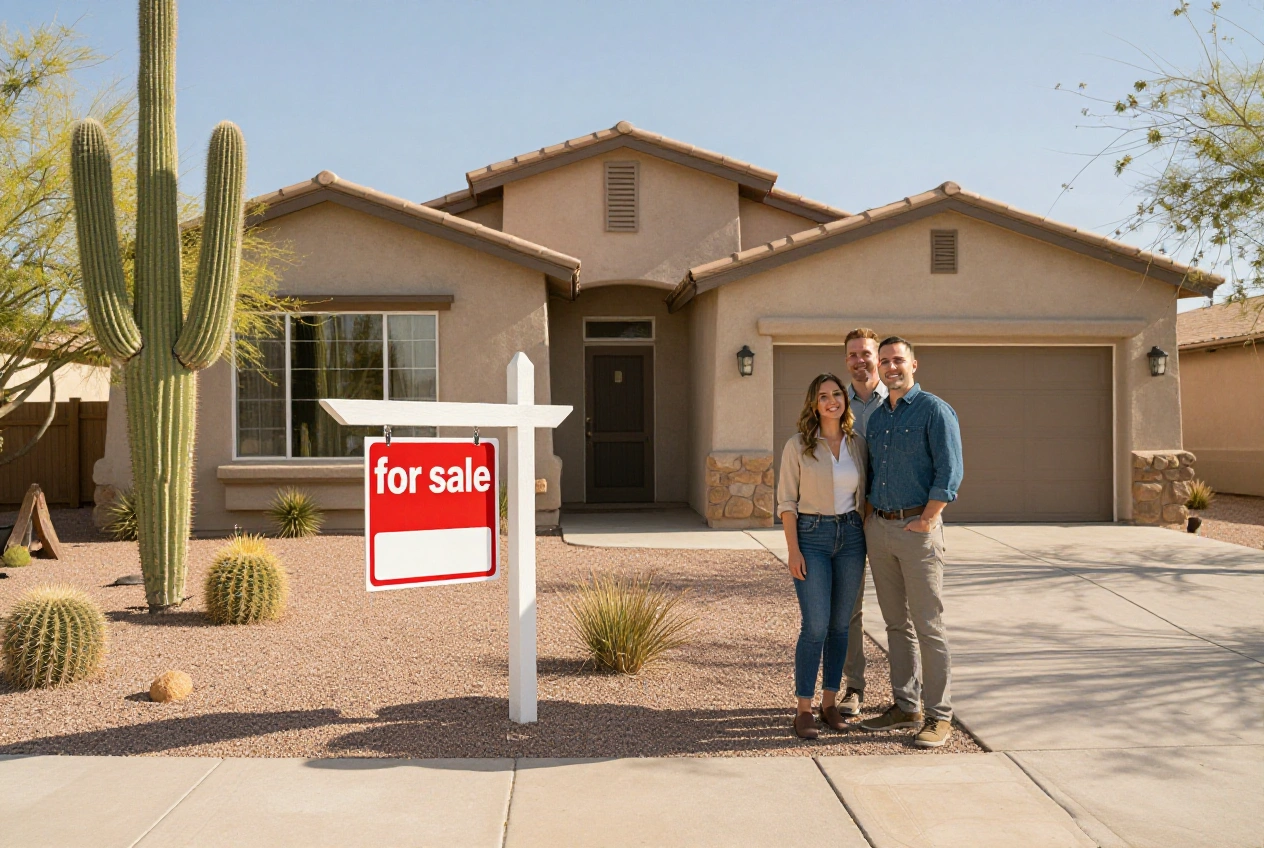
Utah Home Sellers Cut Asking Prices as Buyer Negotiating Power Grows
Utah’s housing market is showing signs of a shift as sellers across several Wasatch Front counties become more likely to reduce their asking prices. A September 2026 analysis of listing data by real estate platform Movoto found that five Utah counties ranked among the U.S. counties with the largest increases in listings priced below their original asking prices.
The changes were especially pronounced in Davis and Salt Lake counties, where the share of discounted listings rose by double-digit percentage points between mid-July and September 1. The trend suggests that buyers have more options to compare, while sellers face greater pressure to price homes competitively.
Why This Matters to Utah Buyers and Sellers
For buyers, a larger share of discounted listings may create opportunities to negotiate on price or request other concessions. It can also provide more time to compare homes rather than making decisions under the intense competition that characterized some earlier market conditions.
For sellers, the data highlights the importance of understanding current competition. A home priced above comparable properties may need a price adjustment to attract serious offers, particularly if similar listings have already reduced their asking prices.
However, not every home or neighborhood is experiencing the same conditions. Property location, condition, price range and buyer demand all influence how quickly a home sells and whether a seller needs to negotiate.
Price Reductions Rise Across the Wasatch Front
Movoto compared listing data from July 14 and September 1, 2026. The analysis found that the share of active listings priced below their original asking price increased across five Utah counties:
- Davis County: Increased from 10.2% to 24.6%, a rise of 14.4 percentage points.
- Salt Lake County: Increased from 10.6% to 23.0%, a rise of 12.4 percentage points.
- Weber County: Increased from 11.9% to 22.5%, a rise of 10.6 percentage points.
- Utah County: Increased from 10.6% to 19.9%, a rise of 9.3 percentage points.
- Tooele County: Increased from 9.4% to 18.2%, a rise of 8.8 percentage points.
Davis and Salt Lake counties recorded the largest increases in the analysis. Five of the eight counties with the biggest increases nationwide were located along Utah’s Wasatch Front.
These numbers reflect the share of active listings priced below their original asking price at the time of each snapshot. They do not mean that every home in those counties experienced a price reduction, nor do they measure the average dollar amount sellers reduced their prices.
What Is Driving the Change?
Real estate professionals have pointed to more selective buyers and greater competition among sellers as factors behind the increase in price adjustments.
When buyers have more homes to choose from, properties that are overpriced or need repairs may struggle to attract offers. Sellers may respond by lowering asking prices, offering concessions or improving the presentation of their homes.
The trend does not necessarily mean that Utah home values are falling across the board. Listing price reductions are different from changes in completed sale prices, and homes that sell can still command strong prices in sought-after locations.
Mortgage Rates Add to Affordability Pressure
Mortgage rates remain an important consideration for Utah households. Freddie Mac reported that the average 30-year fixed mortgage rate reached 7.40% on October 15, 2026, compared with 6.27% a year earlier. The rate applies to a national benchmark loan profile and may differ from the rate offered to an individual borrower. <Cite refs={[“turn276701search2″,”turn276701search3”]}/>
Higher borrowing costs can reduce purchasing power and increase monthly payments. As a result, some buyers may choose less expensive properties, delay their purchase or negotiate more carefully before making an offer.
For sellers, this means that setting a realistic asking price is especially important. Buyers must consider not only the purchase price but also financing costs, property taxes, insurance and ongoing maintenance.
What Buyers and Sellers Should Watch
For buyers: Review recent comparable sales alongside current listings. A property advertised below its original asking price is not automatically a bargain; its current price should be assessed against its condition, location and comparable homes.
For sellers: Track competing listings and how long comparable properties remain on the market. A competitive initial price can help avoid repeated reductions, although results will vary by property and neighborhood.
For investors: Distinguish between asking-price adjustments and actual sale-price trends. Before purchasing a rental or investment property, evaluate expected income, financing costs, maintenance and local demand rather than relying on listing discounts alone.
Practical Takeaway
Utah’s recent listing data shows a clear increase in the share of homes priced below their original asking prices across Davis, Salt Lake, Weber, Utah and Tooele counties. The trend points to greater pricing pressure for some sellers and potentially more negotiating opportunities for buyers.
Still, the data represents a specific period and measures listing prices rather than final transaction values. Anyone buying or selling should use current local market reports and comparable sales to evaluate the conditions affecting their particular property.