
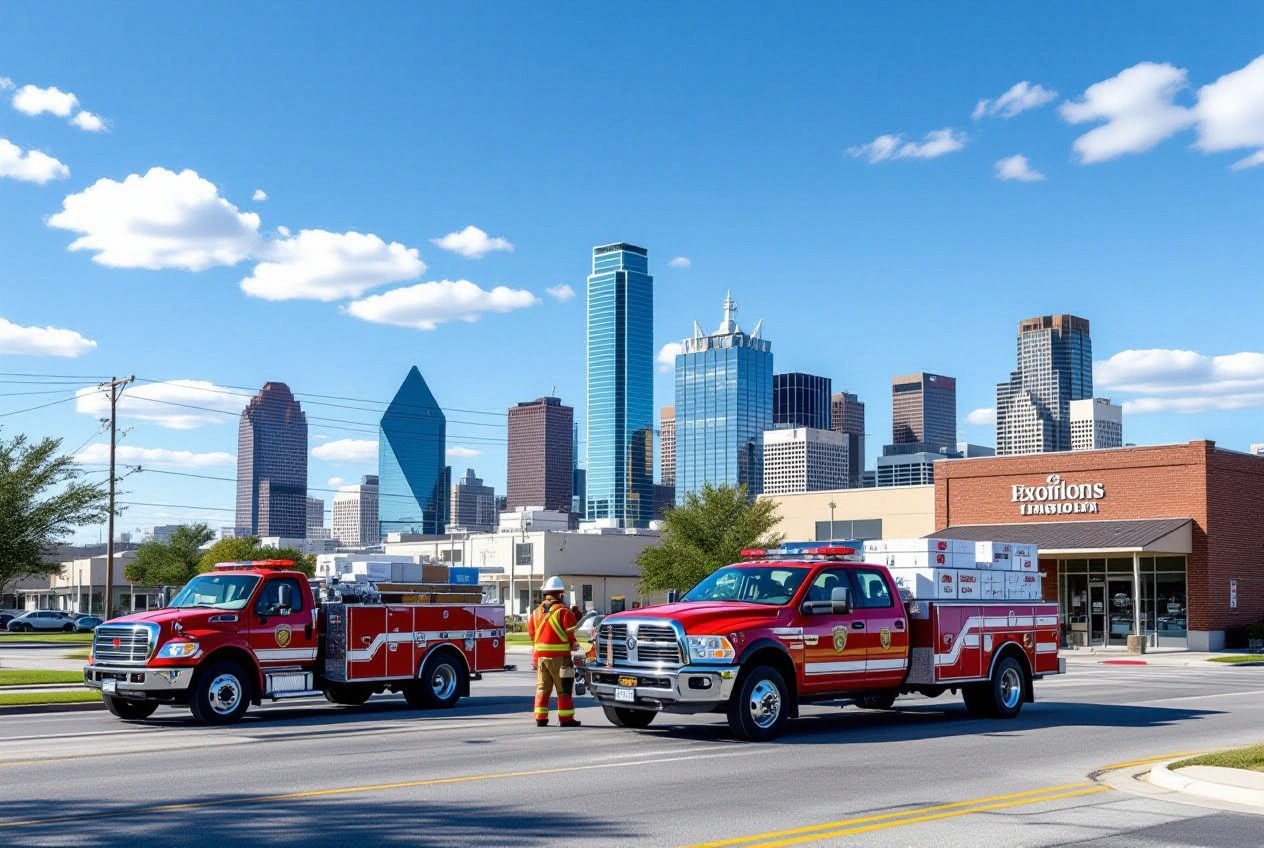
Texas Communities Strengthen Hurricane Preparedness During the 2026 Season
Texas communities are continuing to strengthen hurricane preparedness as the 2026 Atlantic hurricane season gets underway.
The Texas Division of Emergency Management (TDEM) has been working with state, local and federal partners to review emergency plans and improve coordination ahead of potential hurricanes and tropical storms. TDEM also conducted its annual statewide hurricane exercise in March to test preparedness, response, recovery, logistics and coordination between agencies.
The 2026 Atlantic hurricane season runs from June 1 through November 30. NOAA’s May outlook called for a below-normal season overall, but officials continue to emphasize that even a single storm can create serious risks for Texas communities.
What This Means for Texas Residents
Hurricanes and tropical storms can affect communities through more than just strong winds.
Potential hazards include:
- Storm surge
- Heavy rainfall
- Flash flooding
- Strong winds
- Coastal flooding
- Power outages
- Road closures
- Evacuations
- Damage to homes and infrastructure
TDEM encourages Texans to stay informed, follow instructions from local officials, review evacuation routes, create an emergency plan and assemble an emergency supply kit. Residents are also encouraged to understand their flood risk and review their insurance coverage.
Texas Officials Are Reviewing Emergency Plans
Preparedness efforts are taking place well before a hurricane reaches the Texas coast.
In March, TDEM hosted a statewide hurricane exercise involving emergency-management professionals and state and federal agencies. The exercise examined issues including critical infrastructure, logistics, population movement, resource management, information sharing and recovery operations.
TDEM also reviewed emergency-management planning documents during its 2026 Hurricane Preparedness Week to ensure plans remain responsive to community needs.
Know Your Evacuation Zone
One of the most important steps coastal residents can take is learning whether their home is located within an evacuation zone.
The National Weather Service Houston/Galveston 2026 Hurricane Guide provides evacuation-zone information and designated routes for residents in the Southeast Texas region.
Residents should know:
- Their evacuation zone
- The designated evacuation routes
- Where they would go if evacuation is ordered
- How they would get there
- Where pets could be accommodated
- How family members would stay in contact
Residents should always follow evacuation instructions issued by local authorities.
Houston and Galveston Residents Should Prepare Early
The National Weather Service Houston/Galveston office has published a 2026 Hurricane Guide specifically for Southeast Texas.
The guide includes information about evacuation zones, routes, emergency supply kits and steps residents should take before, during and after a storm.
For coastal communities around Houston and Galveston, understanding storm-surge risk and evacuation procedures is particularly important.
Corpus Christi and South Texas Residents Should Have an Evacuation Plan
The National Weather Service Corpus Christi office has also published a 2026 South Texas Hurricane Guide.
The guide advises residents to follow local evacuation orders, leave immediately when an evacuation is ordered and take their hurricane supply kit with them. It also recommends leaving early enough to avoid heavy traffic and hazardous weather.
Residents should also remember that evacuation decisions can depend on the projected path and expected impacts of a storm.
Build an Emergency Supply Kit
TDEM recommends that Texans assemble an emergency supply kit before severe weather threatens their community.
A household emergency kit can include:
- Drinking water
- Nonperishable food
- Prescription medications
- First-aid supplies
- Flashlights
- Batteries
- Phone chargers
- Important documents
- Personal hygiene supplies
- Pet supplies
Preparing these items ahead of time can help residents avoid last-minute shortages when a storm threatens.
Don’t Forget Flood Risk
A hurricane does not have to make a direct landfall in a community to cause dangerous flooding.
Heavy rainfall can create flooding far from the immediate coastline.
TDEM specifically recommends that residents review their flood risk and insurance coverage as part of their hurricane-preparedness planning.
Homeowners should understand what their existing insurance covers and determine whether additional flood insurance may be appropriate for their property.
What This Means for HOAs and Community Associations
Hurricane preparedness is especially important for homeowners associations and community managers in coastal and flood-prone areas.
HOA boards can review their emergency plans before a storm develops and make sure residents know where to obtain official information.
Community associations may want to review:
- Emergency contact lists
- Resident communication systems
- Common-area drainage
- Stormwater systems
- Community access roads
- Landscaping and loose outdoor objects
- Pool and recreational facilities
- Backup power arrangements
- Emergency vendors
- Property-management emergency procedures
Clear communication can help residents respond more quickly when local authorities issue warnings or evacuation orders.
Prepare Common Areas Before Severe Weather
Community managers and HOA boards should also consider potential hazards around common areas.
Depending on the property, preparation may include securing outdoor furniture and equipment, checking drainage systems, inspecting vulnerable areas and coordinating with qualified contractors when necessary.
These preparations should be completed before a storm threatens the area whenever possible.
Stay Connected to Official Information
Residents should rely on official emergency-management and weather agencies for warnings and evacuation instructions.
Important resources include:
- Texas Division of Emergency Management
- National Weather Service
- National Hurricane Center
- Local county emergency-management offices
- City emergency-management departments
- Official evacuation-zone resources
TDEM specifically advises Texans to monitor weather forecasts and follow directions from state and local officials.
What Residents Can Do Now
Residents don’t need to wait for a hurricane warning to begin preparing.
1. Make an emergency plan.
Decide where your family will go and how you will communicate.
2. Know your evacuation zone.
Find out whether your home is located in an area that could require evacuation.
3. Prepare an emergency kit.
Gather food, water, medications, batteries and other essential supplies.
4. Review your insurance.
Understand your property’s flood and storm-related risks.
5. Protect your property.
Identify outdoor items and other areas that may need to be secured.
6. Monitor official alerts.
Don’t rely solely on social media for evacuation or emergency information.
Final Takeaway
Texas is continuing to strengthen hurricane preparedness during the 2026 Atlantic hurricane season.
State officials have already conducted a statewide hurricane exercise and reviewed emergency-management plans, while the National Weather Service has published updated hurricane guides for Southeast Texas and South Texas residents.
While NOAA currently forecasts a below-normal Atlantic season overall, that does not eliminate the risk to Texas. NOAA emphasizes that seasonal outlooks do not predict whether a particular location will experience a hurricane landfall.
For homeowners, renters and community associations, the best approach is simple: prepare early, know your evacuation zone, protect your property and follow official instructions when severe weather threatens.