
Oregon Reports Record Measles Cases as U.S. Loses Measles Elimination Status
Oregon — November 22, 2026
Oregon health officials are urging residents to review their vaccination records as measles cases continue to rise across the state. The Oregon Health Authority (OHA) reported that 2026 has brought the highest number of measles cases in Oregon since statewide surveillance began in 1991, amid a broader outbreak that has led the United States to lose its measles elimination status.
The warning comes as public health officials across California, Hawaiʻi, Oregon and Washington renew their recommendations for measles vaccination in response to increasing cases nationwide.
Oregon Reports Its Highest Measles Case Count Since 1991
According to the Oregon Health Authority, more measles infections have been reported in Oregon in 2026 than in any year since surveillance began in 1991.
Health officials said 93% of reported infections this year involved people who were unvaccinated or whose vaccination status was unknown. The agency also reported transmission among family members and other community contacts who were not vaccinated.
OHA officials have warned that the number of reported cases may not fully reflect the extent of viral circulation. Measles has also been detected in wastewater samples collected across Oregon, suggesting the virus may be circulating in communities beyond those represented by confirmed case counts.
Dr. Dean Sidelinger, Oregon’s health officer and state epidemiologist, urged residents to check their immunization records and consult healthcare providers about vaccination.
United States Loses Measles Elimination Status
On November 17, 2026, the Pan American Health Organization (PAHO) determined that the United States no longer meets the criteria for measles elimination status.
The country had achieved measles elimination in 2000, following years of vaccination efforts and disease-control measures. The recent increase in cases and ongoing transmission have prompted the reassessment.
The West Coast Health Alliance, which includes public health officials from California, Hawaiʻi, Oregon and Washington, reaffirmed its recommendation that individuals who are not fully vaccinated or are uncertain about their vaccination status speak with a healthcare provider about receiving the measles, mumps and rubella (MMR) vaccine.
Public health officials emphasized that maintaining high vaccination coverage, surveillance and timely outbreak response are important steps toward restoring elimination status.
Health Officials Encourage Residents to Check Vaccination Records
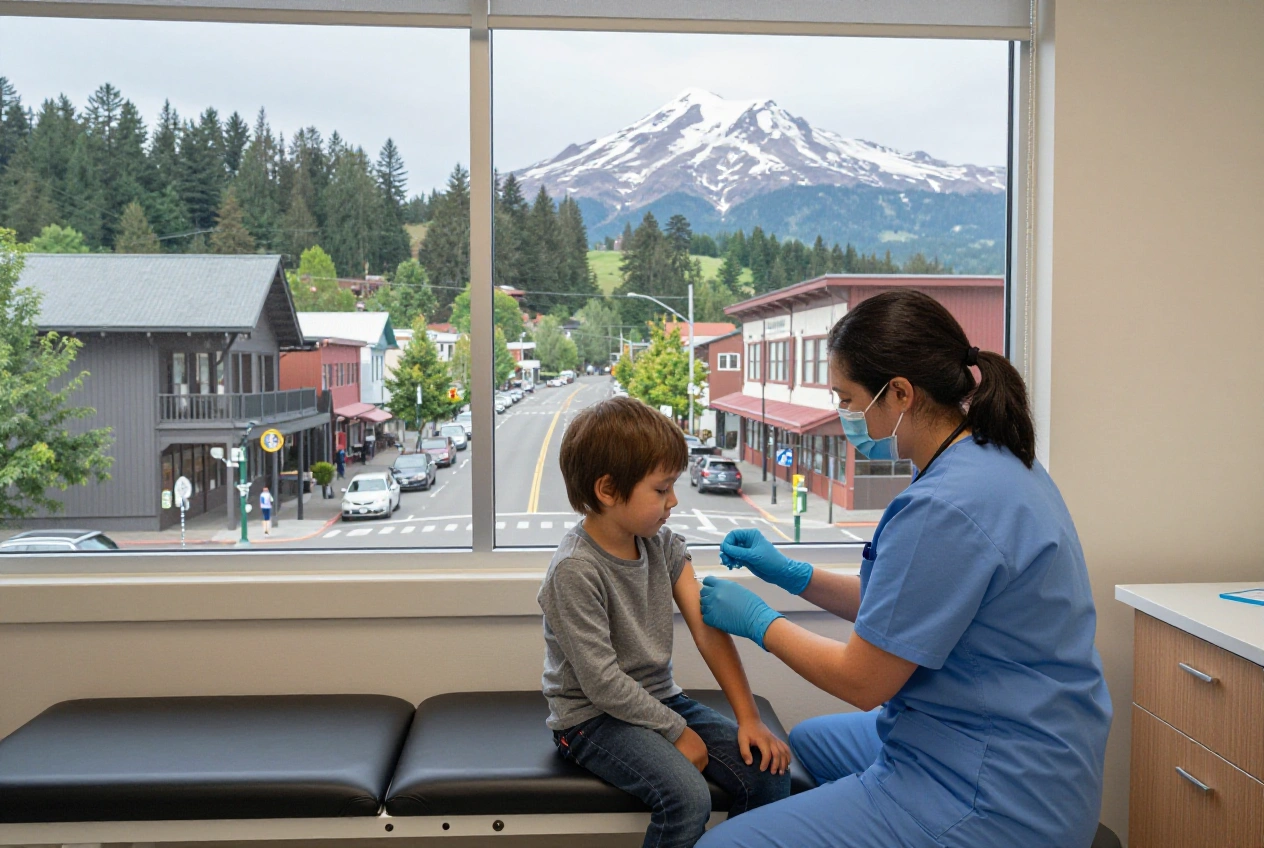
The Oregon Health Authority recommends that families review their vaccination records and consult healthcare providers about recommended MMR immunizations.
Children are routinely recommended to receive their first MMR vaccine at 12 months of age. In certain circumstances, including ongoing measles exposure or travel-related risk, a dose may be recommended as early as 6 months of age, with additional doses required according to recommended schedules.
Adults who are uncertain whether they have received the recommended doses are encouraged to discuss vaccination with their healthcare providers.
The West Coast Health Alliance also noted that people who are up to date on measles vaccination generally face an extremely low risk of infection.
Why Measles Remains a Public Health Concern
Measles is a highly contagious viral disease that can spread through the air and cause serious complications, particularly among young children, people with weakened immune systems and individuals who are not protected through vaccination or previous immunity.
Public health officials across the West Coast are coordinating recommendations and encouraging vaccination as outbreaks continue to affect communities across the country.
OHA continues to monitor reported infections and wastewater detections while urging residents to take preventive measures, particularly ahead of the winter holiday season when people may gather indoors and travel between communities.
Residents seeking guidance on vaccination or possible exposure are encouraged to contact their healthcare provider or local public health department.
This article is based on information released by the Oregon Health Authority and public health officials.