
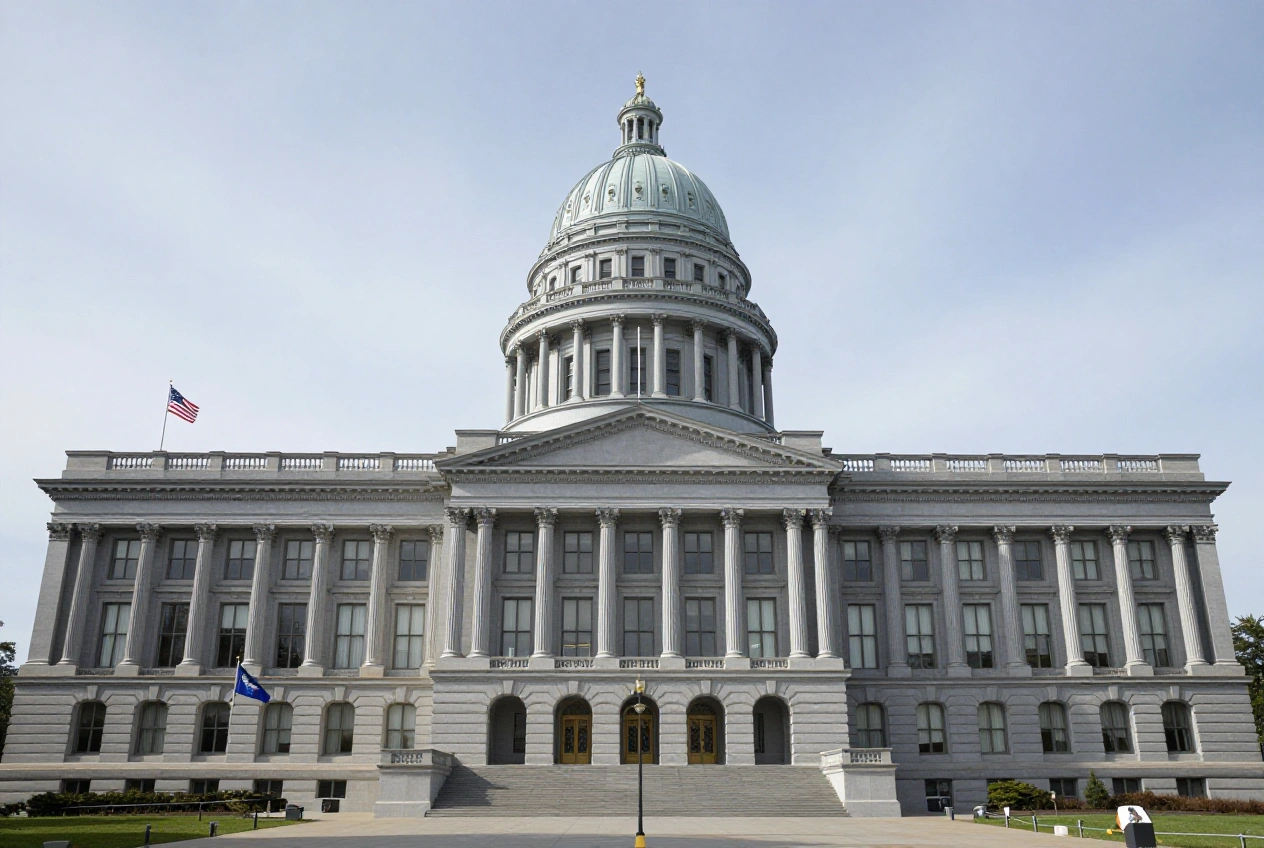
Oregon Reelects Governor Tina Kotek and Senator Jeff Merkley as Democrats Strengthen Legislative Majorities
Oregon | November 2026
Oregon voters have returned Democratic Governor Tina Kotek to office for a second term and reelected U.S. Senator Jeff Merkley, reinforcing Democratic leadership at both the state and federal levels.
The November 3, 2026, midterm election also brought Democratic gains in the Oregon Legislature. With larger majorities expected in both chambers, lawmakers will continue to have significant influence over state policy discussions involving housing, transportation, education, and public services.
The results came during a broader national election in which Democrats made significant gains. Oregon’s outcomes largely reflected that wider political shift, according to Oregon Public Broadcasting (OPB).
Oregon Election Results: Key Victories
Governor Tina Kotek defeated Republican challenger Christine Drazan in a closely watched rematch of their 2022 gubernatorial contest. The Associated Press called the race on election night, and Kotek secured another four-year term.
U.S. Senator Jeff Merkley also won reelection, securing a fourth term representing Oregon in Washington, D.C. His victory maintains Democratic representation in the state’s U.S. Senate seat.
The results reinforce continuity in Oregon’s state leadership while allowing both officials to continue their respective policy agendas.
Democrats Expand Their Legislative Majorities
Democrats retained control of both chambers of the Oregon Legislature and increased their seat totals.
Based on unofficial results and current reporting, Democrats are expected to hold approximately:
- Oregon House: 39 of 60 seats, up from 37.
- Oregon Senate: 19 of 30 seats, up from 18.
These results strengthen the party’s existing legislative position. However, it is important to distinguish Oregon’s legislative voting thresholds. Certain tax measures require a three-fifths vote, while other legislative actions follow different constitutional or procedural requirements. A larger Democratic majority does not mean every measure can automatically pass without opposition or other procedural considerations.
The expanded margins could make it easier for Democratic lawmakers to advance parts of their legislative agenda, although disagreements over funding, priorities, and implementation are likely to remain.
Housing, Transportation, and Public Services Remain Important Issues
Housing affordability, homelessness, transportation funding, education, and public safety continue to be major policy concerns across Oregon.
With Kotek returning to office and Democrats maintaining control of the Legislature, these subjects are likely to remain prominent during the next legislative session.
Housing policy is particularly important for homeowners, renters, property owners, and community associations. Decisions involving housing development, land-use planning, infrastructure investment, and local government funding can influence how communities grow and how public resources are allocated.
However, election results alone do not change existing housing regulations, property taxes, or homeowners association requirements. Any changes will depend on legislation, agency action, local government decisions, and the implementation process.
Election Results Remain Unofficial Pending Certification
Although major statewide races have been called, Oregon’s election results have not yet received final statewide certification.
According to the Oregon Secretary of State, counties may accept qualifying mailed ballots postmarked by Election Day through November 10. Voters whose ballot signatures are challenged have until November 24 to resolve the issue and have their ballots counted.
The statewide certification deadline is December 10, 2026.
Residents can check their ballot status through the state’s official OregonVotes election resources.
What the Election Could Mean for Oregon Homeowners and Community Associations
State leadership and legislative priorities can influence the broader environment in which homeowners and community associations operate.
For Oregon communities, several areas are worth watching as lawmakers prepare for the 2027 legislative session:
1. Housing development and land-use policy
Future legislation involving housing supply, zoning, and development may affect neighborhood growth, property use, and infrastructure requirements. Community associations should monitor proposals that could affect their communities and governing responsibilities.
2. Transportation and infrastructure funding
Road maintenance, public transportation, utilities, and other infrastructure investments can affect neighborhood accessibility and long-term community development. Funding decisions may also influence local planning priorities.
3. Property taxes and public funding
Changes to state and local funding policies can have implications for public services and household expenses. Homeowners should distinguish between proposed legislation and measures that have actually been enacted.
4. Community planning and local government decisions
State policies often establish the broader framework, while cities and counties make many decisions that directly affect local neighborhoods. Community association boards should stay informed about relevant local planning discussions and regulatory changes.
For HOA and community association leaders, following legislative developments is a useful part of long-term planning. Staying informed can help boards understand potential changes before they affect residents, property operations, or community budgets.
Frequently Asked Questions
1. Did Tina Kotek win reelection in 2026?
Yes. Democratic Governor Tina Kotek defeated Republican Christine Drazan in the November 3, 2026, election and won a second term.
2. Was Jeff Merkley reelected to the U.S. Senate?
Yes. Merkley won another term, securing his fourth term representing Oregon in the U.S. Senate.
3. Did Democrats increase their control of the Oregon Legislature?
Yes. Unofficial results indicate Democrats increased their majorities in both chambers, with approximately 39 seats in the House and 19 in the Senate.
4. Are Oregon’s 2026 election results officially certified?
Not yet. The Oregon Secretary of State lists December 10, 2026, as the statewide certification deadline. Some ballot challenges may be resolved through November 24.
5. Will the election immediately change HOA rules or property taxes?
No. Election results do not automatically change HOA governing documents, property tax rates, or community association regulations. Changes would require applicable legislation, regulatory action, or local government decisions.
The Takeaway
Oregon’s 2026 election has reinforced Democratic leadership, with Governor Tina Kotek and Senator Jeff Merkley returning to office and Democrats strengthening their legislative majorities.
For homeowners and community associations, the most important developments to watch will be the policies that emerge from the next legislative session, particularly those involving housing, infrastructure, public services, and local government funding.
While the election itself does not immediately change community association requirements, the decisions made by state lawmakers in 2027 could influence Oregon’s housing and community development landscape.
This article is for general informational purposes only. Election results remain unofficial until certified. Legislative and policy developments should be monitored through official state sources.