
-
Idaho Supreme Court Reverses State’s Win in Disputed Land Ownership Case
The Idaho Supreme Court has overturned a lower court ruling that awarded the State of Idaho a disputed tract of land in Benewah County, sending the case back for further proceedings. The October 27, 2026, decision allows Gregory and Leah Sempel to continue pursuing claims that they acquired rights to the property through long-term possession and an alleged boundary agreement.
The ruling does not establish that the Sempels own the land. Instead, the court found that disputed facts and unresolved evidentiary issues prevented the lower court from deciding the ownership claims through summary judgment.
Background of the Benewah County Land Dispute
The case, State of Idaho v. Sempel, concerns a 5.95-acre tract adjoining property where the Sempels have lived since 1979 and operated Pokey Creek Farm.
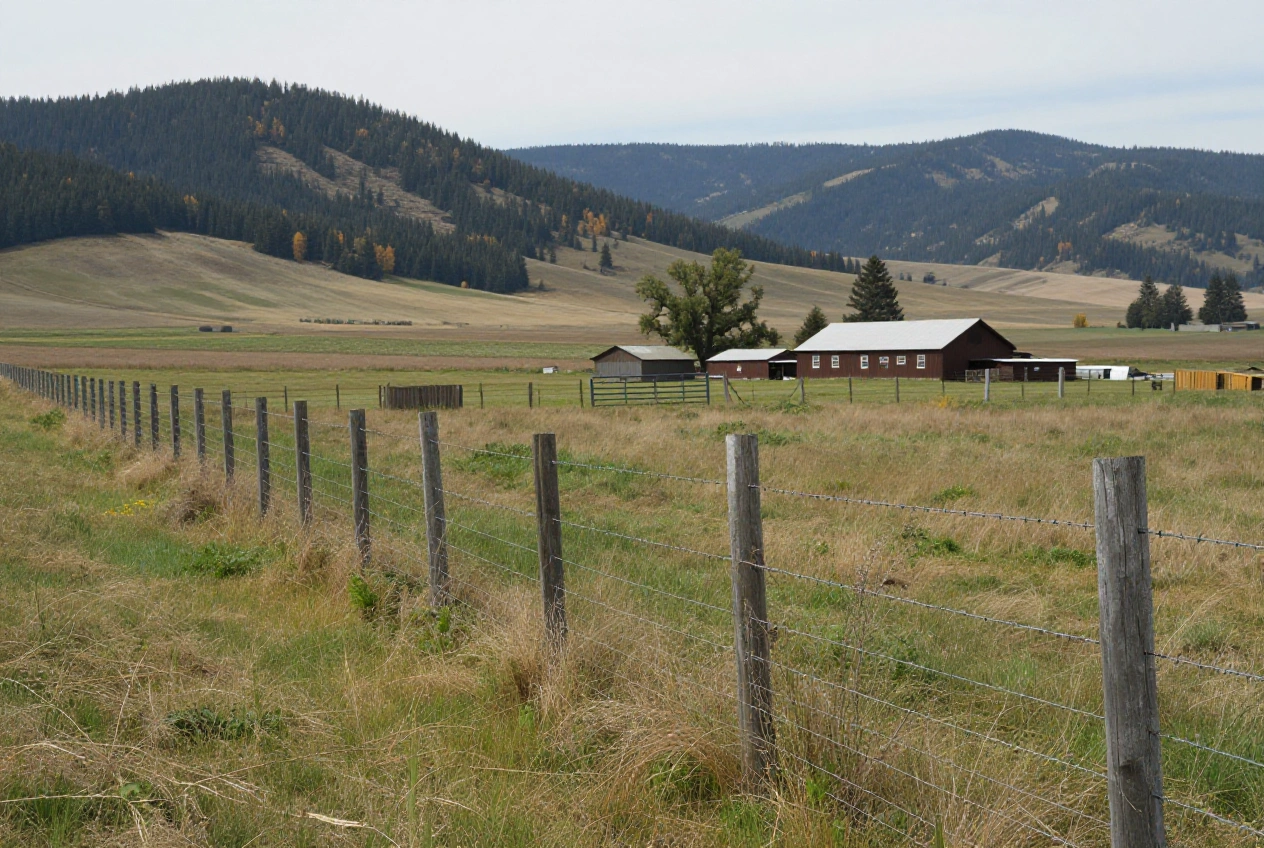
The disputed land was enclosed by a barbed-wire fence. The Sempels maintained that they had used the tract for farming and other purposes and believed the fence marked the boundary of their property, based in part on statements they said had been made by prior owners and representatives.
The State acquired the larger parcel containing the disputed tract in 1996 through a land exchange and held it in trust for the Capitol Permanent Building Fund. In 2022, the State filed a lawsuit seeking to establish its ownership and pursue claims related to the Sempels’ use of the land.
The Sempels responded with counterclaims seeking ownership under two legal theories: adverse possession and boundary by agreement.
The district court granted partial summary judgment to the State, ruling in its favor on the ownership claims. The Sempels appealed that decision to the Idaho Supreme Court.
Why the Supreme Court Reversed the Lower Court
The Supreme Court identified problems with how the district court handled the evidence and evaluated the Sempels’ claims.
First, the lower court had not ruled on the parties’ motions to strike certain evidence before deciding the summary judgment motions. The Supreme Court concluded that the court should have resolved those evidentiary questions first.
The Supreme Court then examined the claims using the evidence submitted by the parties. It found genuine disputes of material fact regarding both adverse possession and boundary by agreement. Because those disputes could affect the outcome, the claims could not properly be resolved in the State’s favor through summary judgment.
The decision reinforces an important distinction in civil litigation: a court generally cannot resolve a case at the summary judgment stage by weighing contested evidence or deciding disputed factual questions that must be resolved through further proceedings.
Adverse Possession: The Role of Property Taxes and Long-Term Use
One of the Sempels’ claims involved adverse possession, a legal doctrine under which someone may, in certain circumstances, acquire ownership rights through qualifying possession of land.
Idaho law includes a requirement concerning the payment of taxes assessed on the property. The lower court concluded that the Sempels had not presented sufficient evidence of the required tax payments.
The Supreme Court disagreed that the claim could be dismissed on that basis at the summary judgment stage. The Sempels had submitted sworn testimony that they had consistently paid property taxes, and the record contained questions about how the relevant land had been assessed for tax purposes.
The court discussed Idaho’s rules on constructive tax payments and the circumstances in which the method used to describe or assess a parcel can matter. It concluded that the evidence raised a genuine factual dispute concerning whether the tax-payment requirement could be satisfied.
The court did not ultimately determine that the Sempels had met every legal requirement for adverse possession. That issue remains part of the proceedings on remand.
Boundary by Agreement: Why the Fence Matters
The Sempels also argued that the fence had long been treated as the boundary between their property and the disputed tract.
Under Idaho’s boundary-by-agreement doctrine, an adjoining property owner may, in certain circumstances, establish a boundary based on an agreement or understanding between neighboring owners. The doctrine can become relevant when the actual property line is uncertain and the parties have treated a particular line as the boundary.
The Supreme Court found that the Sempels had presented enough evidence to create a genuine dispute of material fact on this claim. The State’s recorded ownership and arguments challenging the Sempels’ evidence did not eliminate those factual disputes at the summary judgment stage.
The court also considered Idaho’s case law concerning long-standing fences and the circumstances in which a fence may be relevant to determining a boundary. The evidence and its significance must be evaluated through further proceedings rather than resolved prematurely.
What the Decision Means for Property Owners
The ruling highlights how historical land use, fence lines, tax records and statements about property boundaries can become important in rural land disputes.
For buyers and sellers, the case is a reminder that recorded deeds and property descriptions may not always tell the entire story when a boundary has been contested or treated differently over time. A professional survey, review of title records and careful examination of any known boundary dispute can help identify potential issues before a transaction closes.
Owners who believe a neighbor’s fence does not match the legal property line should avoid assuming that the fence alone establishes ownership. The legal effect of a fence depends on the facts and applicable law.
Anyone facing a disputed boundary or adverse-possession claim should consult a qualified real estate attorney. The requirements for these claims are specific, and long-term use of land does not automatically confer ownership.
What Happens Next in the Sempel Case?
The Idaho Supreme Court vacated the partial judgment, reversed the lower court’s grant of partial summary judgment to the State, and remanded the case for further proceedings.
The dispute therefore remains unresolved. The lower court will need to continue addressing the parties’ claims under the legal standards explained by the Supreme Court. The ruling does not transfer title to the Sempels or establish a final outcome regarding ownership of the 5.95-acre tract.
For Idaho property owners, the broader lesson is that land ownership disputes can depend on a combination of recorded title, historical use, tax assessment practices and evidence about how a boundary was understood over time.