
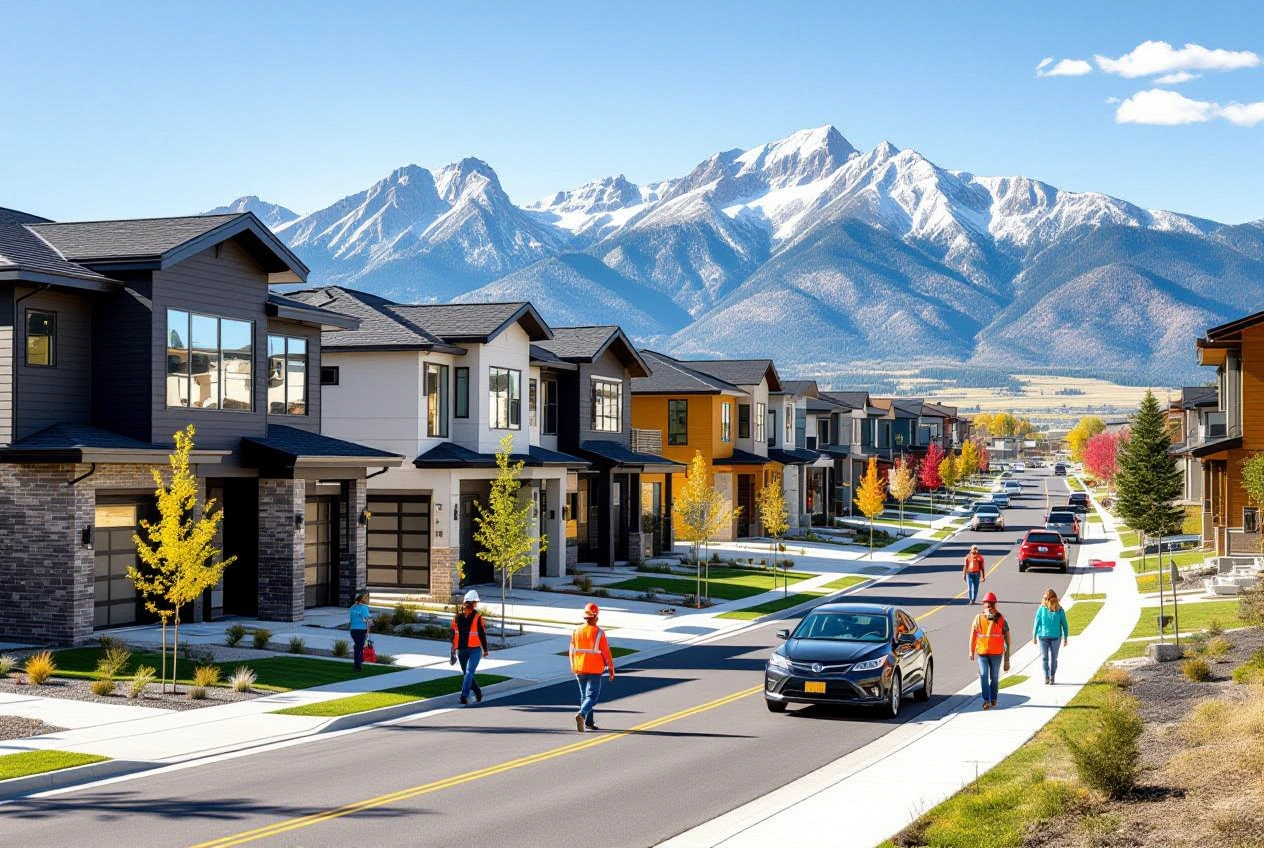
Colorado’s Residential Growth Continues to Shape Communities
Colorado’s Front Range continues to experience residential growth as new neighborhoods expand to accommodate population increases and ongoing housing demand. Communities throughout the Denver metropolitan area are seeing continued investment in new housing developments, infrastructure improvements, and neighborhood amenities.
For homeowners associations and community leaders, this growth presents both opportunities and responsibilities as communities evolve.
Why This Matters for HOA Communities
As new residential developments are completed, HOA boards and community managers often experience increased demand for services, communication, and long-term planning.
Growing communities may see:
- Increased homeowner occupancy
- Expanded use of parks, trails, and common areas
- Greater expectations for landscaping and maintenance
- More emphasis on financial planning and reserve funding
- Increased community engagement opportunities
Well-managed communities are better equipped to support growth while maintaining neighborhood appeal and property values.
Development Trends Across the Front Range
Communities throughout Colorado’s Front Range continue to invest in residential development alongside supporting infrastructure.
Many local governments are focusing on:
- Expanding residential neighborhoods
- Improving transportation and road networks
- Upgrading utilities and public infrastructure
- Encouraging mixed-use and walkable community designs
- Supporting sustainable long-term community growth
These investments help accommodate population growth while improving quality of life for residents.
What HOA Boards Should Consider
As neighborhoods continue to grow, proactive planning becomes increasingly important.
HOA boards can prepare by:
- Reviewing reserve studies to ensure future maintenance needs are funded.
- Monitoring the condition of common areas as resident usage increases.
- Communicating regularly with homeowners about community improvements.
- Planning for future amenity maintenance and replacement.
- Working with local municipalities when nearby development may impact the community.
Strong governance and long-term planning help communities remain desirable regardless of changing market conditions.
Looking Ahead
Colorado’s residential growth is expected to continue as communities balance housing demand with infrastructure investment and neighborhood planning. While market conditions vary across the state, communities that prioritize financial stability, transparent communication, and resident engagement are better positioned for long-term success.
For HOA boards and community managers, staying informed about local development projects can help support better planning and stronger communities.