
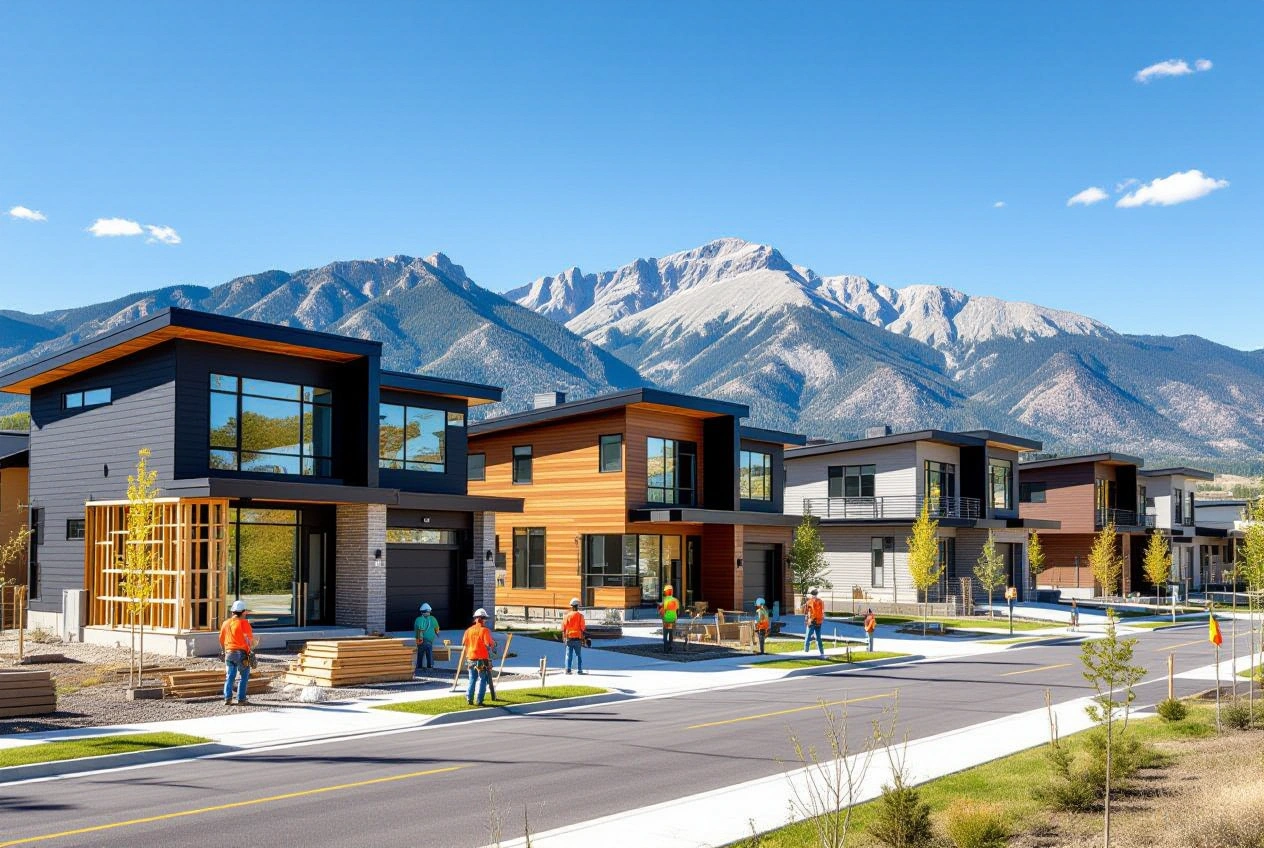
Colorado Housing Construction Trends: What HOA Boards Should Watch
Colorado’s Front Range continues to see steady residential construction activity, though the pace has moderated compared to the peak years of the early 2020s. While some communities are still adding new homes, overall permitting and housing starts have cooled in many metro areas due to higher interest rates and affordability challenges.
What’s Happening on the Ground
New home construction remains active in parts of the Denver metro, Colorado Springs, and northern Front Range, but growth is uneven. Some counties continue to approve solid numbers of single-family and multifamily units, while others have seen slower permitting activity in 2025 and early 2026. Developers are still delivering new neighborhoods, particularly in areas with available land and strong demand from relocating households.
Why This Matters for HOA Boards
New construction doesn’t just affect the broader housing market — it directly impacts existing communities. Common issues boards face include:
- Increased traffic and construction activity near established neighborhoods
- Pressure on shared amenities as nearby communities grow
- Questions about architectural consistency when new homes are built adjacent to older ones
- Higher expectations from newer residents regarding community standards and services
- Potential changes in property values and insurance considerations
Practical Considerations for Boards & Managers
- Monitor Nearby Development Stay informed about new projects planned near your community. Early awareness helps boards anticipate traffic, parking, and amenity impacts.
- Review Architectural and Design Standards As new homes are built with updated materials, energy features, and layouts, boards may need to evaluate whether existing guidelines still make sense.
- Plan for Growing Amenity Use Nearby development can increase demand on roads, trails, parks, and other shared resources. Proactive planning helps avoid future conflicts.
- Communicate with Residents Construction noise, road closures, and changing neighborhood character can frustrate homeowners. Clear, timely updates reduce complaints.
- Stay Ahead of Transition Issues When new phases or neighboring communities come online, boards should be prepared for questions about voting rights, assessments, and shared facilities.
Bottom Line for Boards
Colorado’s housing market is still adding new homes, even if the pace is more measured than in previous years. Communities that stay informed, communicate clearly, and plan for growth will manage the impacts more effectively than those that react after problems arise.
At New Vision Community Management, we help boards navigate growth-related challenges with practical guidance and strong community communication.