
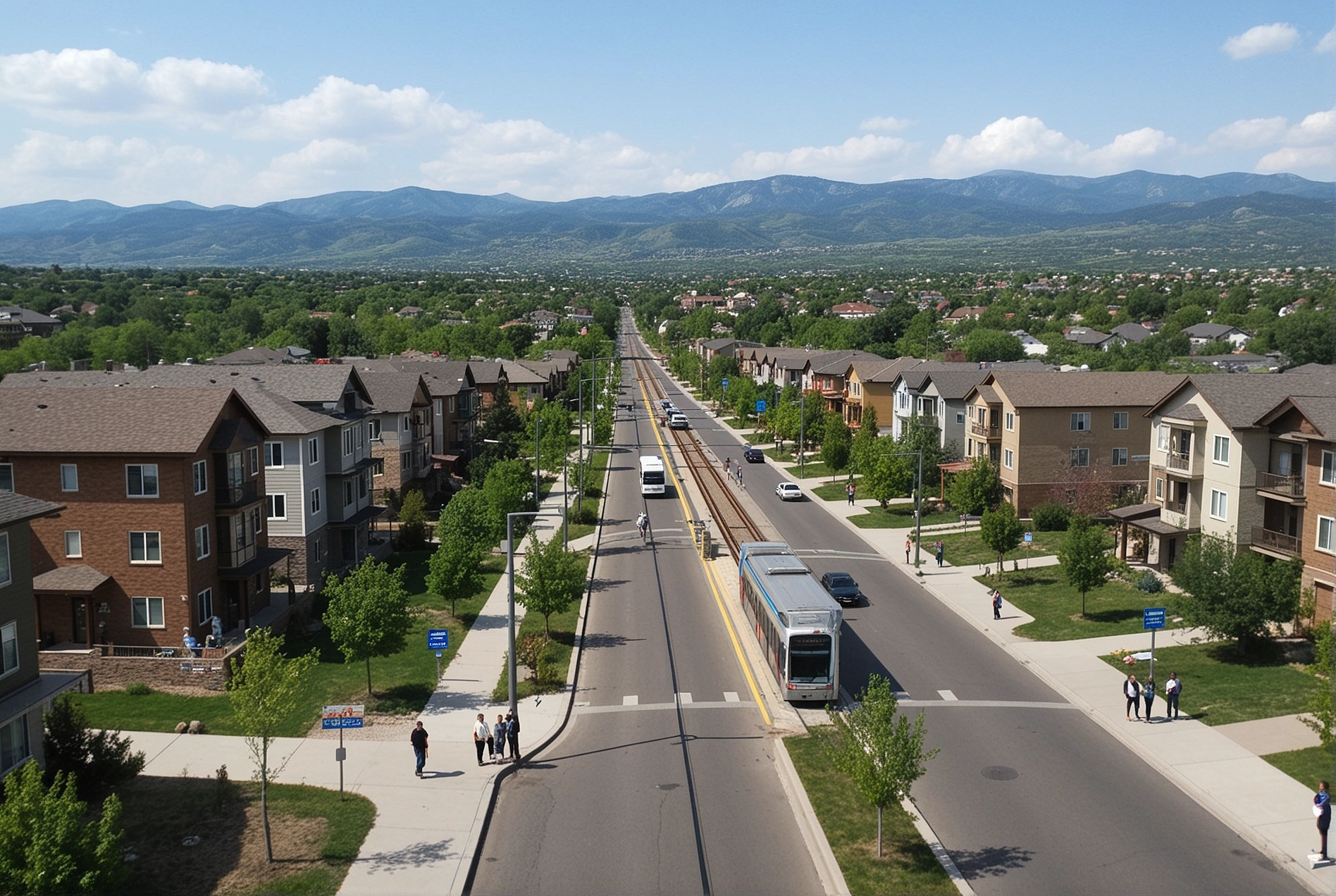
Colorado Advances New Housing and Transit Measures in 2026
Colorado lawmakers enacted several housing-related measures during the 2026 legislative session as the state continues to address housing supply, affordability, and development near transit.
One of the major measures, HB26-1065, the Transit and Housing Investment Zones Act, was signed into law on May 27, 2026. The law establishes a framework for creating transit investment areas and provides financing mechanisms for infrastructure and affordable housing projects connected to those areas.
Why This Matters to Residents
Housing availability and affordability remain important issues for communities across Colorado. The new legislation focuses in part on connecting housing development with transit and infrastructure investment.
The law allows local governments and transit agencies to work together on qualifying transit investment projects. It also creates a tax-credit program for affordable housing projects located within designated transit and housing investment zones.
Key Provisions
Under HB26-1065:
- Local governments and transit agencies can jointly undertake qualifying transit investment projects.
- Certain approved financing entities can receive state sales-tax increment revenue to help finance eligible improvements.
- The law creates an affordable-housing tax credit for qualifying projects located within transit and housing investment zones.
- The Colorado Housing and Finance Authority may allocate up to $8.33 million in tax credits annually beginning in 2027 through 2033.
- The state is required to publish a transit and housing investment zone map by October 30, 2026.
Colorado also enacted HB26-1313, which adjusts requirements for governments receiving funding from the statewide affordable housing fund. That measure was signed by the governor on May 27, 2026.
What Happens Next
Because these measures have already been signed into law, the focus now shifts toward implementation.
State agencies and local governments will need to develop the programs, maps, funding mechanisms, and administrative processes established by the legislation. The state is scheduled to publish the transit and housing investment zone map by October 30, 2026.
For Colorado residents, homeowners, and community associations, the implementation of these programs could be relevant to future development patterns, infrastructure projects, and housing activity near qualifying transit areas.
Staying Informed
Residents can follow implementation through the Colorado General Assembly and their local planning or community-development departments. Local agencies may also provide information about proposed development projects and opportunities for public participation.