
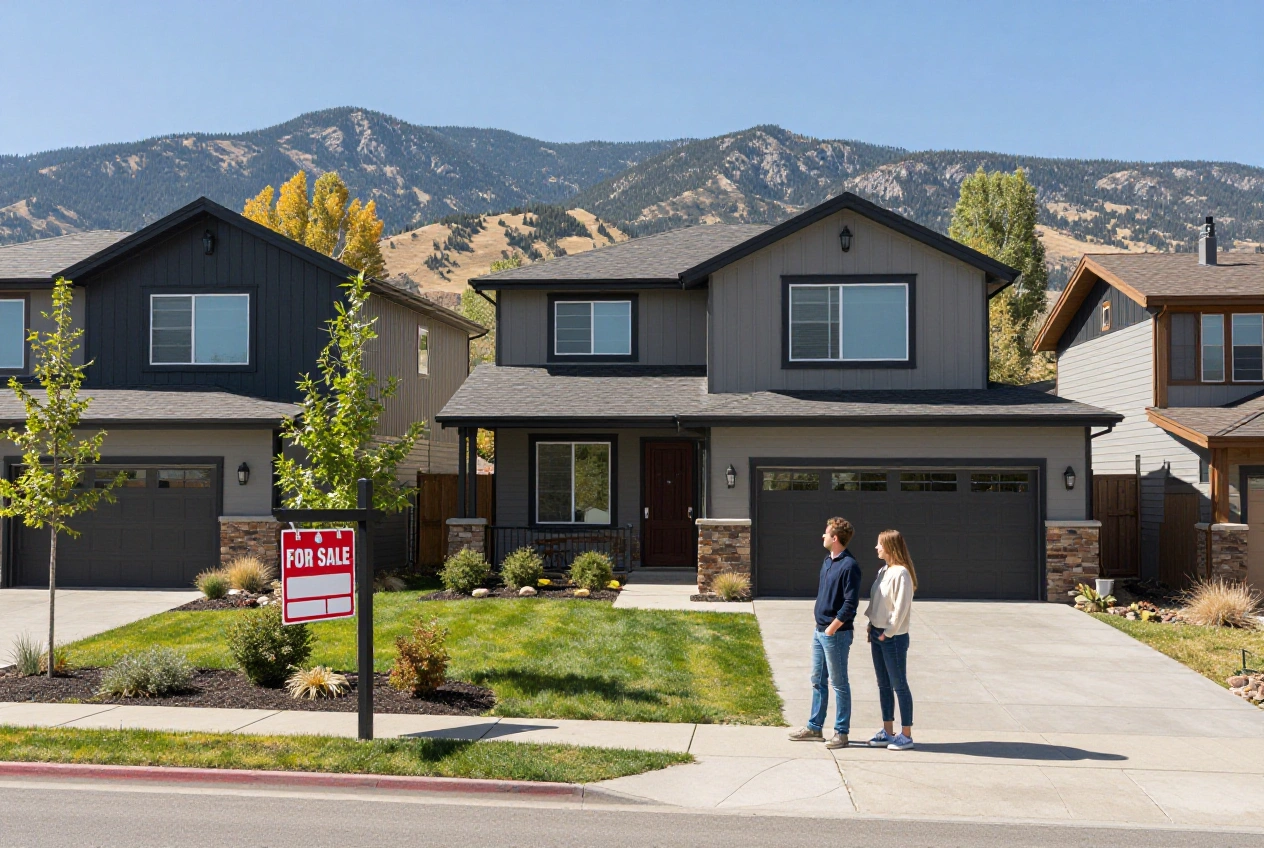
Colorado Home Sales Fall in September as Buyers Gain Negotiating Power
Colorado’s housing market experienced a significant slowdown in September 2026, with fewer completed transactions across the state and the Denver metropolitan area. Despite declining sales, median home prices remained relatively stable, while more selective buyers and seller concessions shaped negotiations.
According to the Colorado Association of REALTORS’ September 2026 Market Trends Housing Report, statewide closed sales fell 15.1% year over year to 6,526 transactions. Pending contracts, which measure homes under contract, declined 10.9%.
The seven-county Denver metropolitan area recorded an even steeper decline, with closed sales falling 18.7% to 3,660 transactions. Pending contracts decreased 12.7%.
The figures suggest that buyers are becoming more cautious, while sellers face greater pressure to price properties competitively and remain flexible during negotiations.
September Sales Figures Reveal a Slowdown
The September report showed a broad decline in completed home sales across Colorado.
Statewide, new listings increased just 0.3% compared with September 2025, while active inventory fell 2.7% to 34,824 properties.
Denver’s seven-county metropolitan market followed a similar pattern, but with a sharper decline in transactions. Active inventory fell 10.4% year over year, and new listings decreased 1.3%.
The combination of declining sales and reduced inventory suggests that the slowdown is being driven primarily by weaker buyer demand rather than a surge in the number of available homes.
For buyers, fewer competing offers and sellers’ willingness to negotiate may create opportunities. However, conditions vary by neighborhood, price range, and property type.
Home Prices Remain Relatively Stable
Despite the drop in sales, median prices declined only modestly.
The statewide median sale price fell 1.6% year over year to $540,000. In the Denver metropolitan area, the median declined 1.7% to $565,000.
Prices also varied by property type:
- Single-family homes: The statewide median was $575,000, while the Denver metro median was $610,000.
- Condos and townhomes: The statewide median was $395,000, compared with $375,000 in the Denver metro area.
These differences illustrate why buyers and sellers should examine the relevant property category rather than relying solely on a statewide average.
A relatively stable median price also does not mean every home is holding its value. Changes in the mix of properties sold, location, condition, and price range can produce different results in individual markets.
Seller Concessions and Pricing Matter More
The September report points to a market in which buyers are becoming more selective and sellers increasingly need to demonstrate value.
Price reductions and seller concessions can help bring transactions together when buyers are concerned about affordability, property condition, or financing costs. Depending on the agreement, concessions may help cover certain closing costs or other eligible expenses.
For sellers, competitive pricing from the beginning can help attract qualified buyers and reduce the risk of prolonged marketing periods. Properties that are priced above comparable homes may face greater pressure to adjust expectations.
For buyers, the changing environment may create opportunities to negotiate price, request eligible concessions, and compare available properties more carefully. Negotiating power, however, is not uniform across Colorado, and well-priced homes in desirable locations can still attract strong interest.
Regional Differences Across Colorado
The statewide figures do not tell the entire story. September’s results varied considerably across mountain, foothill, and rural communities.
Evergreen and Conifer
The Evergreen and Conifer foothills market showed renewed activity. Single-family closed sales increased 10.4% year over year, while single-family contracts rose 36.2%.
The improvement was not reflected throughout the broader foothills region, where single-family closed sales declined 11.7%. This contrast demonstrates how conditions can differ even between nearby communities.
Summit County
Summit County experienced a more pronounced slowdown. Single-family home sales fell 25%, from 60 transactions in September 2025 to 45 in September 2026.
The average single-family sale price declined 20.6% to approximately $2.19 million. However, the median price fell by a smaller 4.2%, indicating that changes in the mix of properties sold may have influenced the average.
Condominium and townhome sales also declined, while inventory increased. These figures suggest that buyers may have more options in some segments of the county’s housing market.
Durango and La Plata County
Durango and La Plata County also experienced slower market activity alongside rising inventory.
Single-family home supply increased to 7.7 months, while condo and townhome supply rose to 8.8 months. Cash purchases accounted for 44% of transactions, according to the regional report.
These figures highlight the importance of examining local inventory, financing patterns, and property types when assessing market conditions outside the Denver metro area.
What Buyers and Sellers Should Know
For prospective buyers, September’s figures suggest that some Colorado markets offer more room for negotiation than they did during periods of stronger demand. Buyers should compare similar properties, review recent completed sales, and consider financing costs before committing to a purchase.
Sellers should focus on realistic pricing, property presentation, and flexibility during negotiations. Understanding local competition is particularly important in markets where transactions have slowed.
Investors should assess individual locations and property types rather than assume the statewide slowdown affects every market equally.
Looking Ahead
Colorado’s September housing figures reflect a market adjusting to weaker demand and more selective buyers. Although sales declined, median prices remained comparatively stable, and inventory also decreased in both the statewide and Denver metro markets.
As the year progresses, changes in mortgage rates, affordability, inventory, and local economic conditions will help shape housing activity.
For now, the September report reinforces the importance of local market data, realistic pricing, and careful transaction planning for Colorado buyers, sellers, and property investors.