
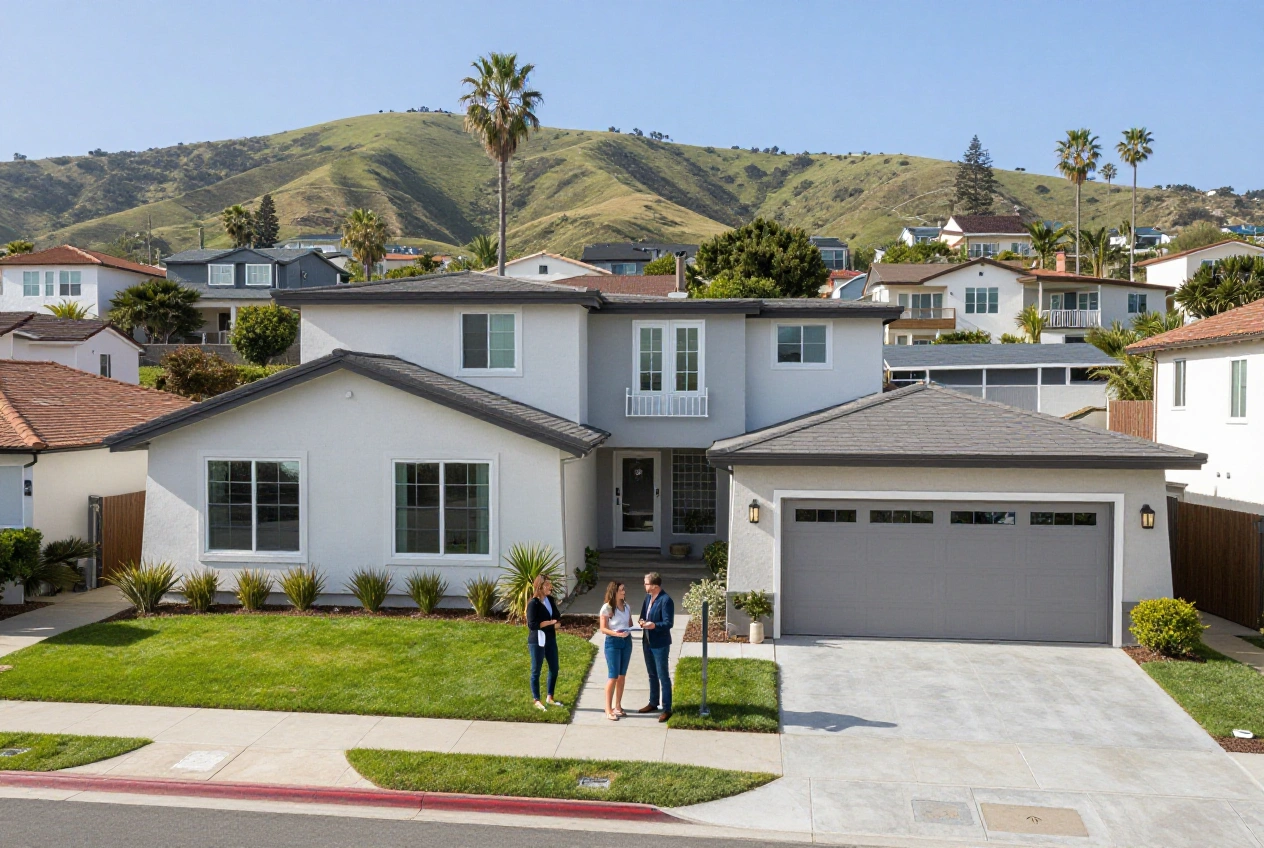
California Housing Market Slows as Higher Mortgage Rates Weigh on Buyers
California’s housing market lost momentum in September as higher mortgage rates and affordability challenges continued to weigh on homebuyers. According to the California Association of REALTORS® (C.A.R.), existing single-family home sales declined from both the previous month and the same period last year, while the statewide median home price remained relatively stable.
The latest figures point to a market where buyers may have more time to consider their options, but high home prices and borrowing costs continue to make purchasing a property difficult for many households.
September Sales Show a Market Slowdown
Existing single-family home sales in California reached a seasonally adjusted annualized rate of 260,410 in September 2026. That represented a 3.4% decline from August and a 6.5% drop compared with September 2025.
Statewide sales also remained below the 300,000-unit annualized benchmark for the 48th consecutive month, reflecting the continued challenges facing the housing market.
Southern California recorded the largest year-over-year sales decline among the state’s major regions, with sales falling 9.1%. The San Francisco Bay Area, Central Valley, and Far North also reported annual declines. The Central Coast was the only major region to record an increase compared with September last year.
These results show that the slowdown is widespread, although conditions vary by region.
Home Prices Remain Relatively Stable
Despite weaker sales activity, California’s statewide median home price held relatively steady. The median reached $899,720 in September, down 0.2% from August but up 1.7% from September 2025.
The figures suggest that lower sales volume has not yet translated into a substantial statewide decline in median prices. Limited housing supply remains one factor supporting prices, even as buyer demand weakens.
However, the statewide median does not tell the whole story. Local markets can experience different price trends depending on inventory, property types, and buyer demand. Buyers and sellers should review local market data rather than assume that statewide changes apply equally to every community.
Mortgage Rates Add to Affordability Pressures
Borrowing costs increased during September, adding another challenge for prospective buyers. The average 30-year fixed mortgage rate rose to 6.86%, compared with 6.67% in August and 6.35% a year earlier.
Even modest increases in mortgage rates can affect monthly payments, particularly in a high-cost market like California. Combined with elevated home prices, these costs may lead some buyers to delay their plans or reconsider their budgets.
Pending sales also weakened, according to C.A.R., indicating that fewer transactions may be moving toward completion. This is an important measure to watch because pending contracts can provide an early indication of future closed sales.
Housing Inventory Shows Modest Improvement
The supply of homes available for sale improved slightly in September. Active listings increased 2.7% from August and 0.5% from a year earlier, marking the first annual increase in eight months.
The statewide unsold inventory index remained at 3.7 months, compared with 3.6 months in September 2025.
While the increase in listings may give buyers somewhat more choice, it does not necessarily mean that California has enough housing available to meet demand. C.A.R. noted that the rise in active listings was largely associated with slower sales and seasonal conditions rather than a significant increase in new listings.
As a result, buyers may find more opportunities in certain areas, but competition and affordability will continue to depend on local conditions.
What This Means for Buyers and Sellers
For buyers, a slower market may provide more time to compare properties, review financing options, and negotiate where sellers are flexible. Still, it is important to consider the full cost of homeownership, including mortgage payments, property taxes, insurance, and maintenance.
For sellers, realistic pricing and a clear understanding of comparable properties may be especially important as buyers become more cautious. Homes that are priced appropriately for their location and condition may be better positioned to attract serious interest.
Neither group should assume that every California market is moving in the same direction. Local inventory, pricing, and demand remain important factors in making informed decisions.
Why Local Housing Trends Matter to Communities
Housing-market conditions can affect more than individual real estate transactions. Changes in affordability, turnover, and the availability of homes can influence neighborhood stability, resident priorities, and long-term community planning.
For homeowners’ associations and community managers, understanding local conditions can help provide context for residents’ questions and support informed conversations about neighborhood needs. While market trends do not determine how an individual community will perform, staying informed can help community leaders better understand the broader environment in which residents live.
Looking Ahead
California’s September housing figures point to a market facing continued pressure from higher borrowing costs and affordability challenges. Sales declined, prices remained relatively stable, and active listings edged higher.
The coming months will show whether inventory continues to improve and whether buyer demand recovers. For now, buyers and sellers alike should follow reliable local data and make decisions based on their individual circumstances rather than statewide figures alone.