
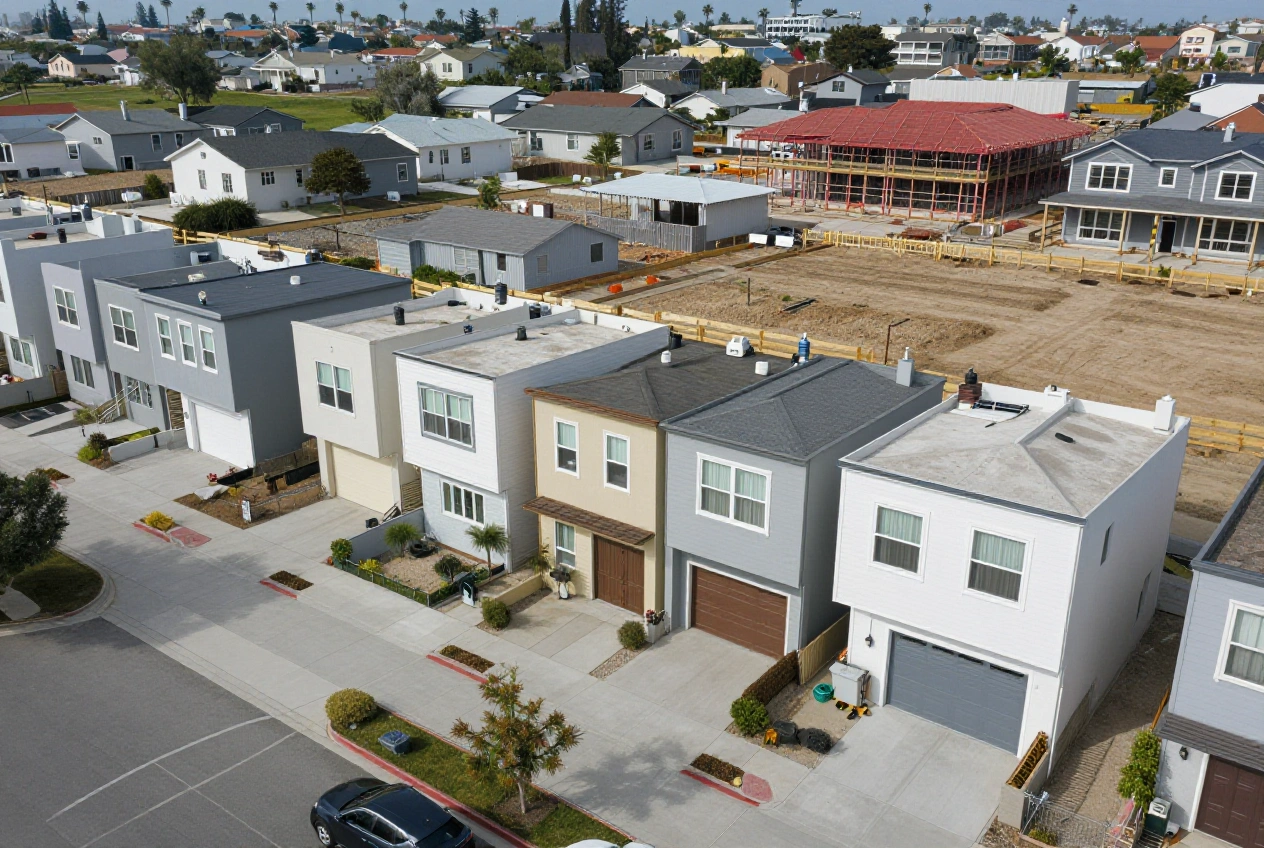
California’s SB 1116 Expands Options for Building Smaller Starter Homes
California is changing its rules for qualifying small-lot housing projects under Senate Bill 1116, a measure signed by Governor Gavin Newsom on September 29, 2026. The law strengthens the state’s Starter Home Revitalization Act, aiming to make it easier to subdivide eligible urban parcels and build smaller homes for sale.
The changes are designed to give builders more flexibility when planning townhomes and other small-lot homes while limiting certain local requirements that can restrict housing development. The updated provisions apply to applications received by local agencies on or after January 1, 2027.
Key Changes Under SB 1116
Expanded site eligibility
The law removes the previous five-acre cap for qualifying multifamily-zoned sites. It also expands the definition of a vacant single-family-zoned parcel to include certain properties with abandoned or untenantable structures. However, the 1.5-acre cap for qualifying vacant single-family-zoned sites remains.
SB 1116 also replaces the previous requirement that qualifying sites be substantially surrounded by urban uses with alternative infill eligibility criteria established under state law.
More flexibility in parcel sizes
The law allows smaller individual parcels when projects meet required average parcel-size standards. Under the updated rules, qualifying parcels may be as small as:
- 480 square feet in multifamily-zoned areas, provided the average parcel size is at least 600 square feet.
- 960 square feet in single-family-zoned areas, provided the average parcel size is at least 1,200 square feet.
These figures refer to parcel sizes, not necessarily the interior floor area of the homes. Project eligibility and other applicable development requirements still matter.
Limits on certain local development standards
For qualifying projects, the law limits some local rules that could prevent smaller homes from being built. These include front setbacks greater than 10 feet, certain internal setbacks between newly created parcels, and floor-area-ratio limits below 1.25. Building height may still be regulated in feet, but local governments generally cannot impose a separate story-count limit under the provision.
The law also includes requirements related to parking and other design standards, subject to applicable state building and safety codes.
Local oversight and reporting
SB 1116 establishes reporting and review requirements for local governments implementing the law. Relevant local ordinances must be submitted to the California Department of Housing and Community Development (HCD) within the applicable 60-day period for compliance review.
What the Law Could Mean for Buyers, Owners and Builders
For prospective first-time buyers, the changes could create more opportunities for smaller for-sale homes in qualifying urban and suburban locations. Smaller homes may require less land per unit, potentially making some projects more feasible. However, the law does not guarantee that new homes will be affordable or that prices will fall.
Owners of eligible vacant or underused parcels may attract interest from builders looking for sites that qualify for streamlined subdivision approvals. Whether a property is suitable will depend on its zoning, site characteristics, applicable eligibility tests and other legal requirements.
For developers and small-scale builders, the revised standards may create more flexibility in how qualifying parcels are divided and designed. Limiting certain local restrictions could also help projects accommodate more homes than would otherwise be possible, although construction costs, financing, infrastructure and local market conditions will continue to influence feasibility.
What Happens Next?
The updated rules are scheduled to apply to qualifying applications received on or after January 1, 2027. Builders, property owners and prospective buyers should therefore pay attention to local implementation and confirm whether a particular site meets the law’s requirements before making development or purchasing decisions.
SB 1116 is intended to expand opportunities for smaller homeownership projects, but its real-world impact will depend on how many eligible sites move forward and whether developers can deliver homes at prices buyers can afford.