
-
Colorado Reports Record Number of Orphaned Bear Cubs Amid Drought and Human-Wildlife Conflicts
Colorado — November 22, 2026
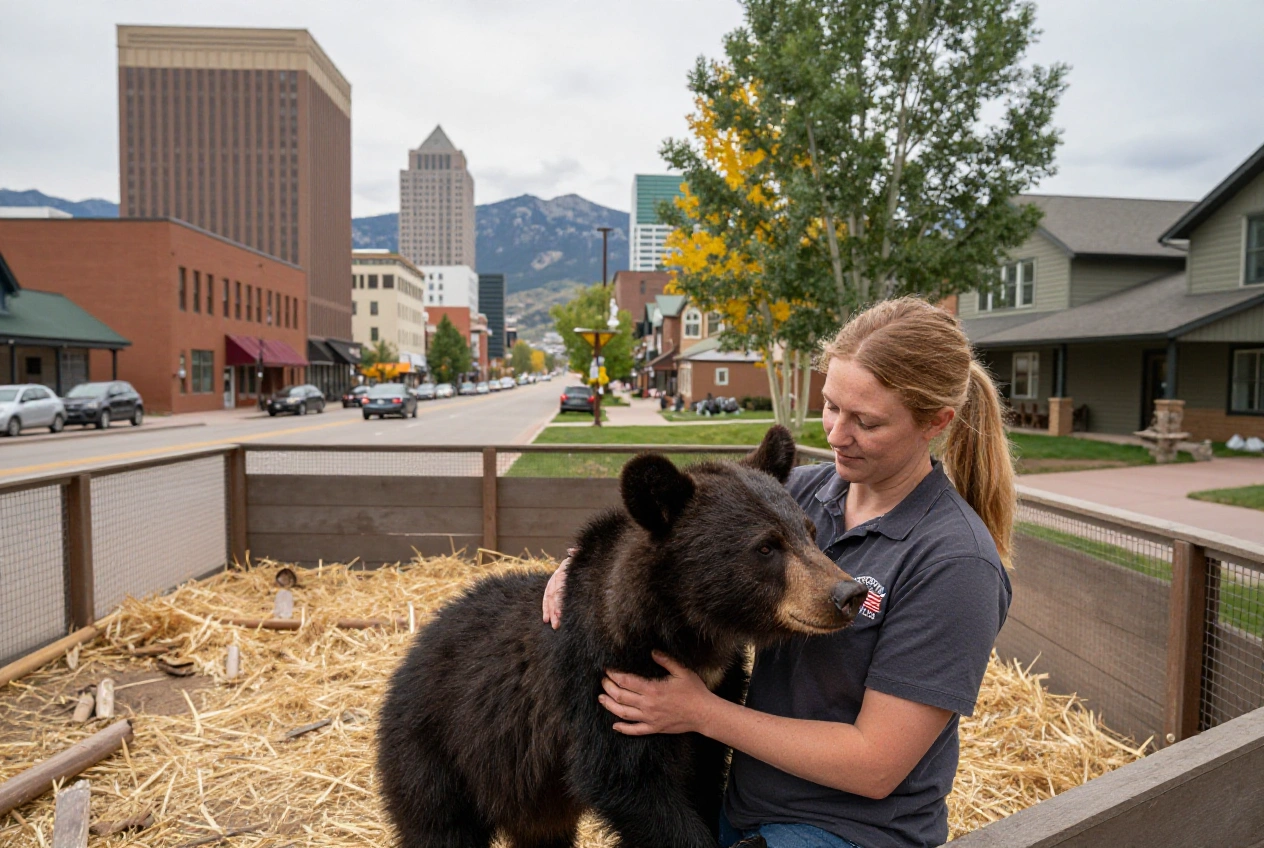
Colorado wildlife officials are caring for a record 47 orphaned black bear cubs this year at the Frisco Creek Wildlife Rehabilitation Center, highlighting the growing impact of drought, habitat conditions and human-wildlife conflicts across the state.
The facility, operated by Colorado Parks and Wildlife (CPW), typically receives about 20 orphaned cubs annually. This year’s total reflects a significant increase in reported bear conflicts and challenging environmental conditions that have affected natural food sources throughout Colorado.
Record Bear Conflicts Across Colorado
Colorado Parks and Wildlife recorded 10,820 bear sightings and conflict incidents by late September, more than double the number reported during the same period the previous year. The increase has also contributed to a rise in bears euthanized following conflicts with people, including incidents involving bears entering homes.
Wildlife officials say food shortages have been a significant contributing factor. Drought, late spring freezes and wildfires have affected natural food sources such as acorns, serviceberries, chokecherries and plums, leaving bears with fewer resources in some parts of the state.
CPW described this year’s natural bear food conditions as among the worst recorded since statewide surveys began in 2008.
Rehabilitation Efforts at Frisco Creek
The Frisco Creek Wildlife Rehabilitation Center, located in the San Luis Valley, began receiving orphaned cubs in mid-April. The 47 animals in its care came from across Colorado, including 21 from the Southeast Region, 18 from the Northeast, seven from the Southwest and one from the Northwest.
Several animals arrived in poor condition, requiring specialized veterinary treatment and rehabilitation.
Among them was a yearling injured during the Aspen Acres Fire near Beulah, which sustained burns to all four paws. Rehabilitation staff treated the injuries with wound dressings and specialized light therapy, helping the bear recover. Another cub with a broken leg received surgery and rehabilitation, with plans for continued care before a potential release in spring 2027.
Facility improvements also helped accommodate the unusually large number of animals. Modifications to several enclosures allowed staff to dedicate additional space to bear cubs.
Wildlife Challenges and Community Awareness
The increase in orphaned bears reflects the challenges wildlife can face when natural food sources become scarce and animals increasingly encounter people and residential areas.
Colorado wildlife officials continue to encourage residents in bear-prone communities to reduce attractants, including unsecured trash, food waste and other accessible food sources that may draw wildlife into neighborhoods.
As environmental conditions and human-wildlife interactions continue to affect communities across Colorado, public awareness and responsible practices can play an important role in reducing conflicts and supporting wildlife conservation efforts.
The record number of orphaned cubs at Frisco Creek underscores the importance of rehabilitation efforts and ongoing public education as wildlife officials work to manage human-bear conflicts across the state.