
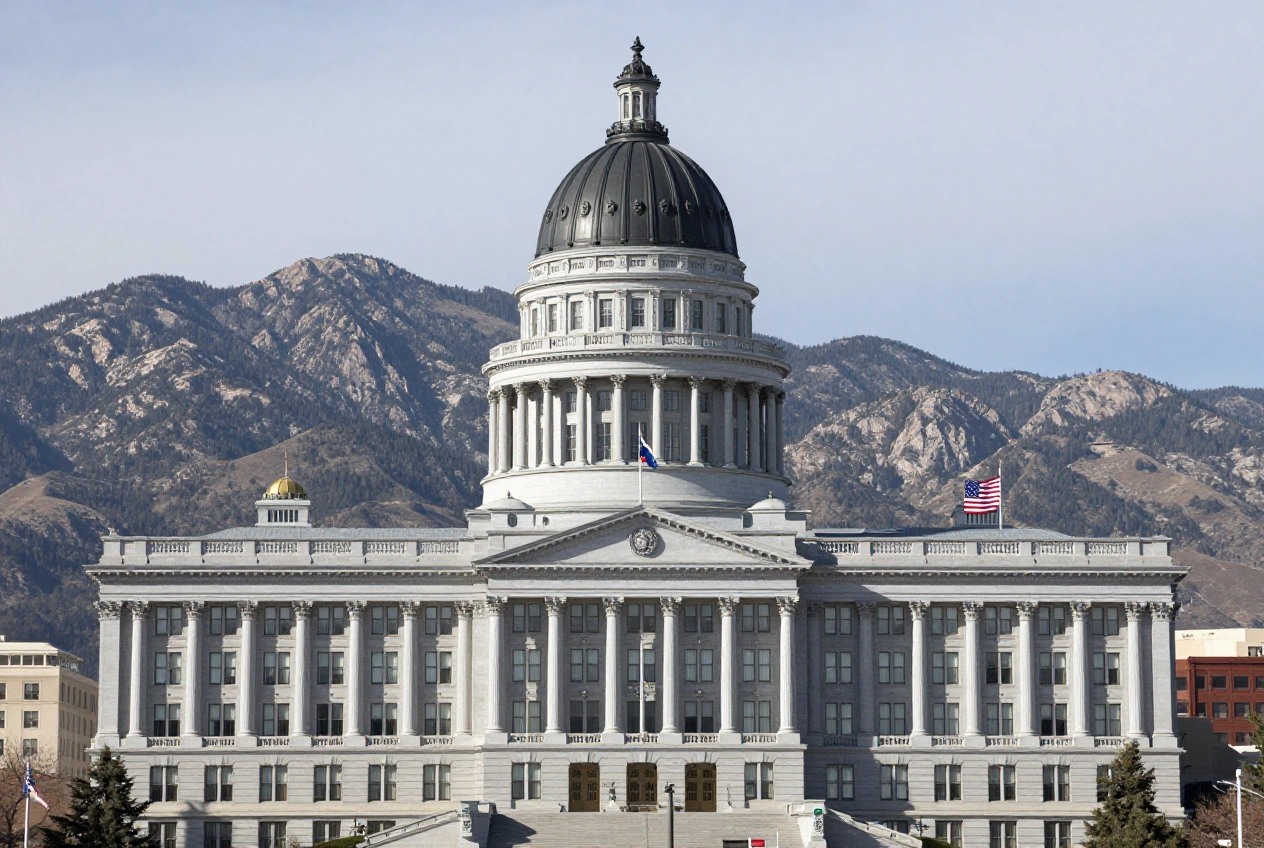
Utah’s 2026 Midterm Elections Bring Major Political Changes as Republicans Lose House Supermajority
Utah | November 2026
Utah’s November 3, 2026, midterm elections brought significant changes to the state’s political landscape, with Democrats gaining seats in Congress and the Utah Legislature while Republicans lost their long-standing two-thirds supermajority in the state House.
Democrat Ben McAdams won Utah’s newly drawn 1st Congressional District, returning a Democrat to the state’s congressional delegation for the first time since 2020.
At the state level, Democrats and unaffiliated candidates made substantial gains in legislative races. Republicans, however, retained control of both chambers of the Utah Legislature.
The results also included two statewide constitutional amendment decisions, with voters rejecting Amendment B and approving Amendment A.
These developments could influence future discussions about taxation, housing, infrastructure, public services, and state government oversight.
Utah Election Results: Key Congressional Victories
One of the most closely watched outcomes was the race for Utah’s 1st Congressional District.
Democrat Ben McAdams defeated Republican Riley Owen, winning the newly drawn district. The result marks the return of Democratic representation to Utah’s congressional delegation after a six-year absence.
The other three congressional races were won by Republican candidates:
- District 1: Ben McAdams (Democrat)
- District 2: Blake Moore (Republican)
- District 3: Celeste Maloy (Republican)
- District 4: Mike Kennedy (Republican)
The new congressional boundaries followed a court-ordered redistricting process, making the District 1 contest particularly significant.
Utah’s 2026 election did not include a U.S. Senate or gubernatorial race. Governor Spencer Cox remains in office.
Republicans Lose Their Two-Thirds House Supermajority
The most significant legislative change came in the Utah House of Representatives.
Before the election, Republicans held 60 of the chamber’s 75 seats, giving them a two-thirds supermajority. Democrats held 14 seats, with one vacancy.
Unofficial results available as of November 17 indicate the following projected balance:
| Party | Expected House seats |
|---|---|
| Republicans | 45 |
| Democrats | 28 |
| Unaffiliated | 2 |
The Republican Party is expected to retain a majority, but its reduced numbers mean it will no longer hold the two-thirds threshold needed for certain legislative actions, including overriding a gubernatorial veto.
Two unaffiliated candidates are also leading in their respective House races, adding another dimension to the incoming Legislature.
In the Utah Senate, Republicans are expected to retain control with approximately 21 seats, compared with eight Democratic seats.
This distinction is important: the election changed the balance of power within the Republican-controlled Legislature, but it did not give Democrats control of either chamber.
All statewide election results remain unofficial pending the state canvass scheduled for November 23, 2026.
Leadership Changes at the Utah Capitol
The election also brought changes to legislative leadership.
Republican Senator Evan Vickers of Cedar City was selected to become the next president of the Utah Senate, succeeding Stuart Adams.
Vickers’ selection followed the defeat of Senate Majority Leader Kirk Cullimore, who lost his reelection contest to Democrat Shana Anderson in Senate District 19.
The leadership transition is notable because Vickers represents southern Utah, making him the first Senate president from that region in approximately 70 years.
Governor Spencer Cox also addressed the election results publicly, acknowledging that Republicans had experienced a significant setback and emphasizing the need for party leaders to listen more closely to voters.
The incoming legislative leadership will now face the challenge of working with a smaller Republican majority and a larger Democratic minority.
Utah Voters Decide Two Constitutional Amendments
Beyond the candidate races, voters also decided two statewide constitutional amendments.
Amendment B: Rejected
Amendment B would have required a 60% voter approval threshold for certain citizen-led ballot initiatives involving tax increases.
The proposal covered initiatives that would impose new taxes, expand existing taxes to additional items or transactions, increase tax rates, or make certain changes involving property taxes.
Voters rejected the amendment, meaning the proposed additional supermajority requirement will not take effect.
Amendment A: Approved
Amendment A received voter approval and changes the constitutional requirements for publishing proposed amendments before an election.
Previously, proposed constitutional amendments were required to be published in newspapers in every county for two months before an election.
The amendment removes that specific newspaper-publication requirement and establishes a revised publication framework requiring notice at least 60 days before the election.
The change is intended to update how constitutional amendment information is made available to voters.
Both measures are important because they affect how Utah residents participate in the state’s constitutional and citizen-initiative processes.
What the Election Could Mean for Utah Residents
The election results could influence the direction of future state policy, particularly in areas involving taxation, housing, infrastructure, education, and economic development.
However, the loss of a legislative supermajority does not automatically change existing laws or prevent legislation from passing.
Republicans still control both legislative chambers, while Governor Cox remains in office. Lawmakers will continue to operate within Utah’s existing legislative procedures and voting requirements.
The larger Democratic presence may increase the need for negotiation on certain proposals, especially those requiring support beyond a simple majority.
Several issues are likely to remain important during upcoming legislative discussions:
- Housing affordability and residential development.
- Infrastructure and transportation funding.
- Utility capacity and data center development.
- Education funding and public services.
- Tax policy and government transparency.
The specific direction of these policies will depend on the bills introduced, legislative support, and decisions made during the 2027 session.
Why This Matters to Utah Homeowners and Community Associations
Changes in state legislative priorities can influence the environment in which homeowners, property owners, and community associations operate.
For HOA boards and community managers, several areas are worth monitoring.
1. Property taxes and local government funding
Tax policy remains an important issue for Utah residents. Although Amendment B was defeated, the election itself does not automatically change property tax rates or local government budgets.
Associations should continue monitoring local tax developments and accounting for potential changes in operating expenses.
2. Housing development and neighborhood planning
Housing affordability and development remain important state policy issues. Legislative decisions involving zoning, residential construction, and infrastructure can influence how communities expand and how surrounding neighborhoods develop.
3. Infrastructure and utility planning
Transportation, water systems, electricity capacity, and other infrastructure investments can affect residential communities. Discussions surrounding data center development may also be relevant where large projects create additional utility or infrastructure demands.
4. Community budgets and financial planning
Changes in public policy and operating costs can affect the broader financial environment for homeowners. HOA boards should continue reviewing reserve funding, maintenance schedules, insurance expenses, and long-term community needs.
5. Legislative oversight and public participation
With a narrower Republican majority, legislative negotiations may involve more discussion across party lines. Community association leaders and residents can follow proposed legislation, participate in public hearings, and communicate with their elected representatives about issues affecting their neighborhoods.
The election does not directly change HOA governing documents, assessment obligations, or community association enforcement authority. Its significance lies in the potential direction of future state and local policy.
Frequently Asked Questions
1. Did Democrats take control of the Utah Legislature in 2026?
No. Republicans retained control of both the Utah House and Senate. However, they lost their two-thirds supermajority in the House.
2. Who won Utah’s 1st Congressional District?
Democrat Ben McAdams defeated Republican Riley Owen in the newly drawn 1st Congressional District.
3. Did Utah Republicans lose their legislative supermajority?
They lost their two-thirds supermajority in the House of Representatives. Republicans are still expected to hold a majority in the Senate.
4. What happened to Amendment B?
Voters rejected Amendment B, which would have required 60% approval for certain citizen-led ballot initiatives involving tax increases.
5. Did Amendment A pass?
Yes. Amendment A passed and changes the constitutional publication requirements for proposed amendments before elections, replacing the previous newspaper-specific requirement with a revised publication framework.
6. Who will become the next president of the Utah Senate?
Republican Senator Evan Vickers of Cedar City was selected for the position, succeeding Stuart Adams.
7. How could the election affect Utah homeowners?
Future legislative decisions involving taxes, housing, infrastructure, utilities, and local government funding could affect homeowners and residential communities. However, the election results themselves do not automatically change property taxes or HOA requirements.
The Takeaway
Utah’s 2026 midterm elections brought meaningful changes to the state’s political balance. Democrats gained a congressional seat and increased their representation in the Legislature, while Republicans lost their two-thirds supermajority in the House but retained control of both legislative chambers.
Voters also rejected Amendment B and approved Amendment A, influencing how certain citizen-led ballot initiatives and constitutional amendment notices will be handled.
For Utah homeowners, property owners, and community associations, the next important developments will come from the legislation and policy decisions considered during the 2027 session.
Monitoring changes involving housing, taxation, infrastructure, utilities, and local government funding will help community leaders understand how state decisions may affect their neighborhoods.
This article is for general informational purposes only. Election results remain unofficial until certified by the appropriate election authorities. Legislative outcomes and potential policy changes are subject to future proceedings and should not be treated as enacted law unless formally approved.