
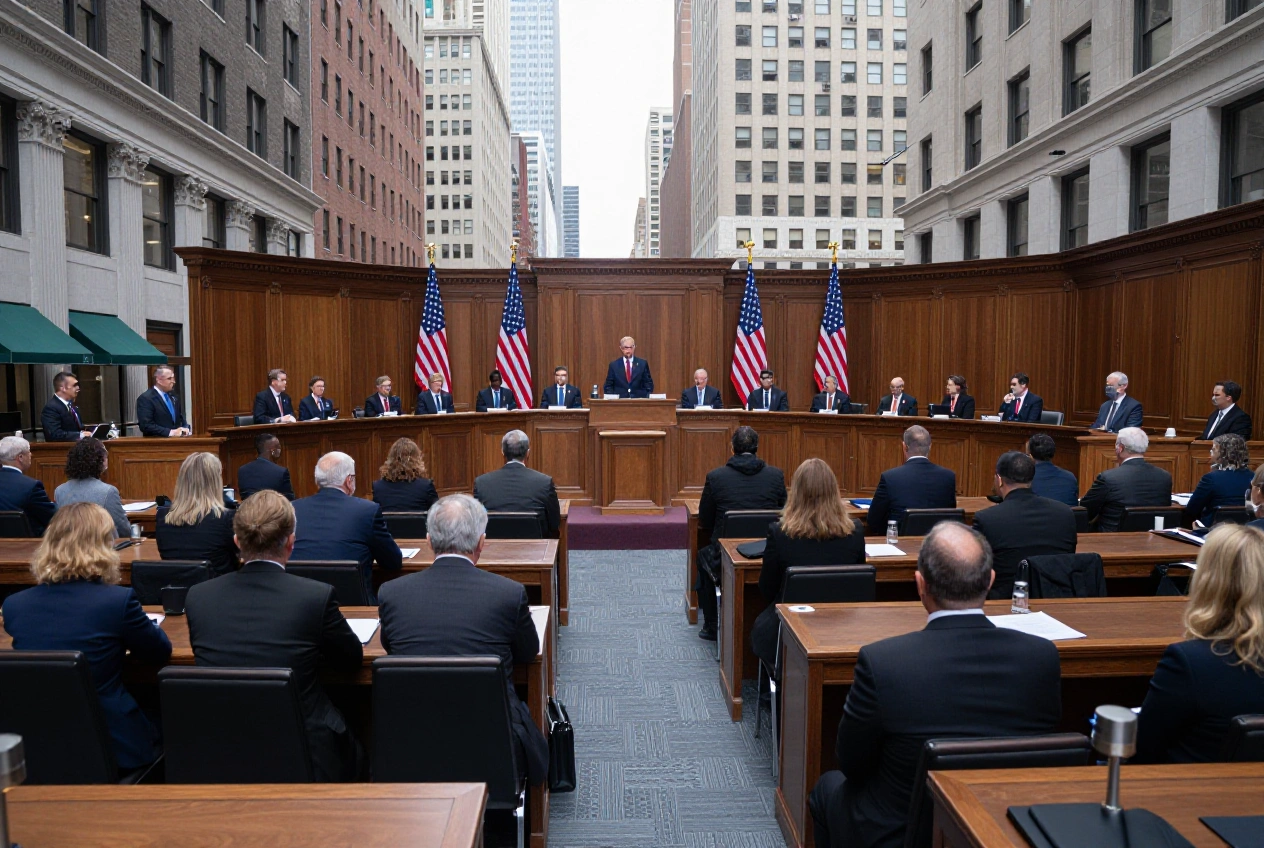
House Vote Sends Pete Hegseth Impeachment Resolution to Committee, Stalling Effort
WASHINGTON, D.C. | November 2026
The U.S. House of Representatives voted 211–204 on November 10 to refer an impeachment resolution against Defense Secretary Pete Hegseth to the House Judiciary Committee, effectively preventing the measure from moving forward to an immediate impeachment vote.
The resolution was introduced by Republican Representative Thomas Massie of Kentucky and contained eight articles alleging misconduct related to U.S. military operations and other actions under Hegseth’s leadership at the Pentagon.
The procedural vote took place during the final weeks of Republican control of the House. Democrats won control of both chambers in the November 3 midterm elections, but the new congressional majority is not scheduled to take office until January 2027.
What Happened in the House Vote?
The November 10 vote was on a motion to refer the impeachment resolution, House Resolution 1655, to the Judiciary Committee. It was not a direct vote on whether Hegseth should be impeached.
The motion passed by 211 votes to 204, with 18 members not voting. Republicans largely supported the referral, while Massie was the only Republican recorded voting against it. Eleven Democrats did not participate in the vote.
By sending the resolution to committee rather than proceeding with an immediate impeachment vote, House Republicans effectively halted the effort at that stage.
The distinction is important: the House did not vote to acquit Hegseth, nor did it vote on the merits of the allegations.
What Were the Impeachment Allegations?
Massie’s resolution outlined eight articles of impeachment. The allegations included claims that Hegseth had exceeded his authority in directing military operations, violated provisions of the War Powers Resolution, and failed to comply with laws governing military conduct.
The resolution also raised concerns about U.S. military actions involving Iran, Yemen, and other international operations.
These are allegations contained in the impeachment resolution, not findings established by a court or a completed congressional investigation. Hegseth and the administration have defended their military actions and rejected the impeachment effort.
The central constitutional issue is the balance of authority between the president and Congress when U.S. forces are committed to military operations. Congress has constitutional responsibilities involving declarations of war, appropriations, and oversight, while the president serves as commander in chief.
A Changing Political Landscape After the Midterms
The vote came shortly after the November 3 midterm elections, in which Democrats won control of both the House and Senate.
However, the election results did not immediately change the composition of Congress. Republicans remained in control during the November 10 proceedings, while the newly elected Democratic majorities are expected to assume control when the 120th Congress begins in January 2027.
The change in congressional leadership could bring greater scrutiny of the administration’s defense policies and military decisions.
Democratic lawmakers have indicated that they intend to increase oversight of the Pentagon. Whether that includes renewed impeachment proceedings, congressional investigations, hearings, or other oversight measures will depend on the priorities of the incoming leadership.
What Happens Next?
Referral to the Judiciary Committee does not itself resolve the allegations or remove Hegseth from office. It sends the resolution into the committee process rather than advancing it directly to a House impeachment vote.
The incoming Congress will have the authority to determine its own legislative and oversight priorities. Lawmakers could revisit the allegations or pursue other forms of investigation after the new majority takes office.
For now, Hegseth remains in his position as defense secretary, and the November 10 vote represents a procedural setback for those seeking his impeachment.
Why This Matters for National Governance
The dispute highlights continuing questions about congressional oversight, executive authority, and accountability in national security decisions.
Military operations can have consequences beyond defense policy, including effects on federal spending, international relations, service members, and U.S. communities. Congressional oversight is one of the mechanisms through which elected representatives examine how those decisions are made and implemented.
The upcoming change in congressional leadership may influence how these issues are debated in 2027.
Frequently Asked Questions
Did the House vote to impeach Pete Hegseth?
No. On November 10, the House voted 211–204 to refer the impeachment resolution to the Judiciary Committee. It did not hold a direct vote on impeachment.
Who introduced the impeachment resolution?
Republican Representative Thomas Massie of Kentucky introduced House Resolution 1655, which contained eight articles of impeachment.
Why did the effort stall?
The House approved a procedural motion to send the resolution to the Judiciary Committee instead of advancing it to an immediate impeachment vote. This prevented the effort from moving forward at that stage.
Do Democrats now control Congress?
Democrats won control of both the House and Senate in the November 2026 midterm elections. However, the newly elected members and party leadership will take over when the 120th Congress convenes in January 2027.
Could the impeachment effort return in 2027?
It could be revisited by the incoming Congress, but no future impeachment action is guaranteed. The new House leadership will decide which matters receive attention.
The Takeaway
The November 10 House vote did not determine whether Defense Secretary Pete Hegseth was guilty of the allegations in the impeachment resolution. Instead, it sent the measure to committee, effectively stalling the effort under the outgoing Republican-led House.
With Democrats preparing to take control of both chambers in January 2027, congressional oversight of defense policy and executive military authority may become a more prominent issue in the months ahead.