
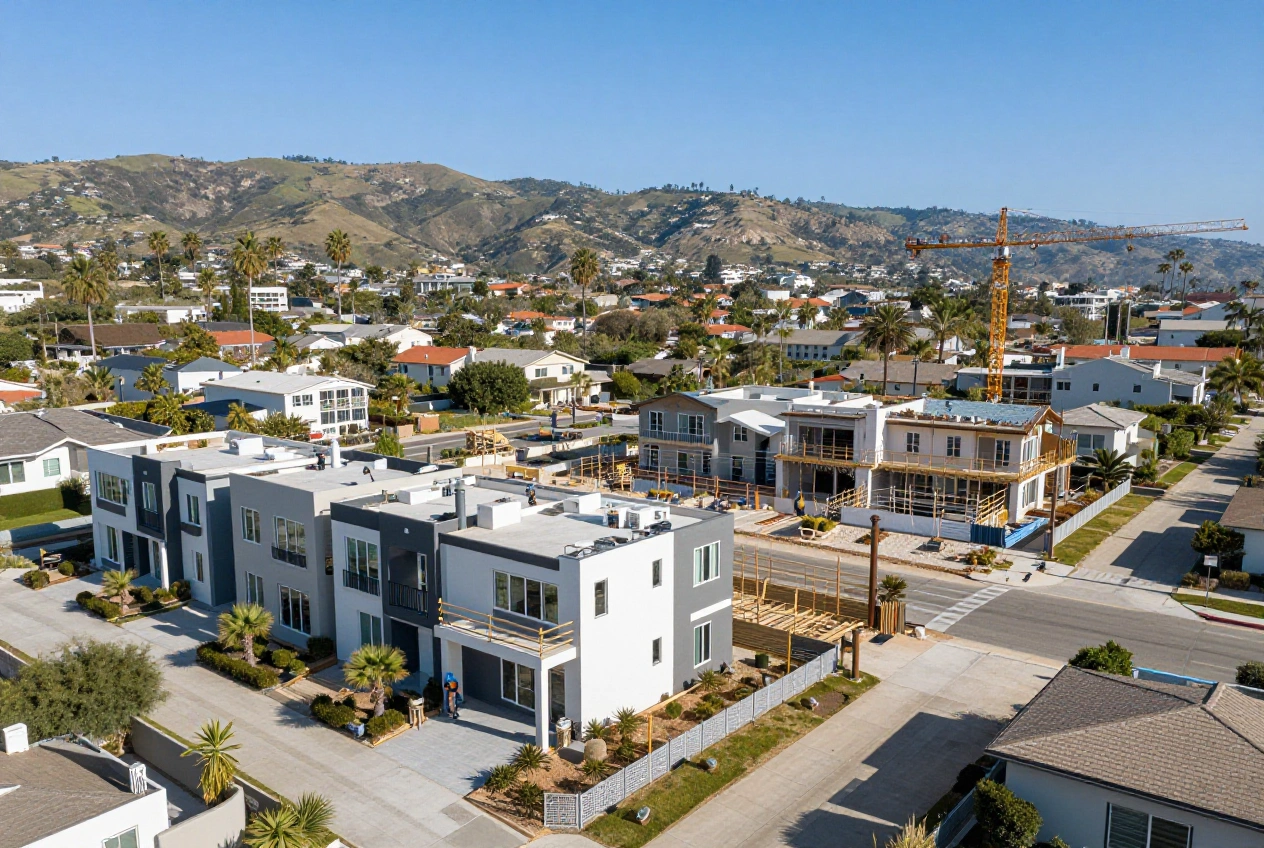
California Voters Approve Billions in Housing Bonds to Expand Affordable Housing and Homeownership
November 16, 2026 | California
California voters have approved two major housing-related ballot measures that will authorize billions of dollars in funding for affordable housing development and homeownership opportunities across the state.
The November 3, 2026, election results show support for Proposition 1, the Veterans and Affordable Housing Bond Act, and Proposition 37, which establishes a new homebuyer loan program for eligible middle-income households.
The measures address two important challenges facing California residents: the shortage of affordable housing and the difficulty of purchasing a home amid high property prices and borrowing costs.
Together, the approved measures could influence affordable housing development, residential construction, and homeownership opportunities throughout California.
Proposition 1: $11.25 Billion for Affordable Housing and Veterans
Proposition 1 authorizes California to issue $11.25 billion in general obligation bonds to support affordable housing programs, homeownership assistance, and veterans’ housing benefits.
According to the California Secretary of State’s Official Voter Information Guide, approximately $10 billion will support housing affordability programs, while $1.25 billion will fund the state’s veterans’ home loan program.
The funding is divided among several housing initiatives:
Key Funding Allocations Under Proposition 1
- $5.1 billion: Construction and rehabilitation of multifamily rental housing.
- $2.1 billion: Acquisition, rehabilitation, and preservation of affordable housing, including supportive housing for people experiencing homelessness.
- $1.25 billion: State-funded mortgage assistance for California veterans.
- $1.1 billion: Homeownership and down payment assistance programs.
- $1 billion: Farmworker, tribal, and student housing.
- $500 million: Housing infrastructure.
- $200 million: Local housing programs.
The measure received approximately 61% support in the reported election results.
While the bond funding will provide resources for housing initiatives, it also creates a long-term financial obligation for the state. The Legislative Analyst’s Office estimates that repayment will cost approximately $500 million to $600 million annually over about 25 years.
The funding is expected to support affordable housing projects and programs serving lower-income households, veterans, and other eligible California residents.
Proposition 37: New Homebuyer Loan Program for Middle-Income Families
California voters also approved Proposition 37, which authorizes up to $25 billion in revenue bonds to establish a homeownership loan program for eligible middle-income buyers.
The measure, known as the Middle Class Homeownership and Family Home Construction Act of 2026, is designed to help qualifying households purchase newly constructed homes.
Under the program, eligible buyers may receive a fixed-rate loan covering up to 17% of the purchase price of a qualified home.
To participate, buyers must meet several requirements:
- Be California residents for at least one year.
- Have household income below twice the area’s median income.
- Purchase a qualifying newly constructed home or an eligible converted property being sold for the first time.
- Occupy the property as their primary residence.
- Contribute at least 3% of the purchase price toward the down payment.
Eligible properties must also meet applicable purchase-price limits, which vary by county and are adjusted annually.
An important distinction is that Proposition 37 does not provide a free down payment grant. It establishes a loan program, with borrowers making payments that are designed to repay the revenue bonds and cover program administration.
According to the Legislative Analyst’s Office, the measure is not expected to create direct state or local government costs because the bonds are designed to be repaid through homeowners’ loan payments.
Proposition 37 received approximately 62% support in the reported election results.
What Do These Measures Mean for California’s Housing Market?
The approval of both propositions represents a significant investment in housing affordability and homeownership programs.
Proposition 1 focuses on expanding and preserving affordable housing options, while Proposition 37 introduces another financing option for eligible middle-income households seeking to purchase newly constructed homes.
These programs address different segments of the housing market.
For renters, additional funding for multifamily developments and supportive housing could help expand affordable rental opportunities.
For prospective homeowners, the new loan program could provide additional financing options for qualifying purchases.
However, the actual impact will depend on how quickly the programs are implemented, how much funding is released, and whether eligible housing developments and buyers can meet the requirements.
Why This Matters for Homeowners and Community Associations
Although the propositions primarily address housing development and homeownership financing, their effects may extend to established residential communities and homeowners associations.
Several areas are worth monitoring:
1. New Residential Developments
Additional affordable housing funding could support residential construction and rehabilitation projects throughout California.
For community associations, new developments may create opportunities for neighborhood growth while also increasing the importance of planning for infrastructure, shared amenities, and community services.
2. Property Values and Neighborhood Development
New residential developments can influence surrounding neighborhoods, housing supply, and local property markets.
However, the impact on individual property values will depend on location, housing demand, development quality, and other market conditions.
3. Community Infrastructure
Proposition 1 includes $500 million for housing infrastructure.
Investments in infrastructure supporting housing development may affect utilities, roads, and other essential services in communities receiving funding.
Local planning and coordination will remain important as projects move forward.
4. Homeownership and HOA Participation
If more eligible households gain access to homeownership financing, some may enter residential communities governed by homeowners associations.
For HOAs and community management companies, this reinforces the importance of effective homeowner onboarding, clear communication, governing document education, and consistent assessment administration.
5. Long-Term Community Planning
Housing expansion can create additional demands on local infrastructure and community services.
Associations should continue focusing on reserve planning, property maintenance, financial management, and long-term community needs as residential areas evolve.
When Will the New Housing Programs Become Available?
Although voters approved both propositions, approval does not mean all funding and loan assistance programs are immediately available.
Implementation will require administrative planning, program guidelines, funding arrangements, and announcements from the relevant state agencies.
For Proposition 1, housing programs will be administered through the applicable state housing departments and agencies responsible for the individual funding allocations.
For Proposition 37, the California Housing Finance Agency (CalHFA) will be responsible for establishing and administering the middle-class homeownership loan program.
Prospective applicants should monitor official announcements for eligibility guidelines, application procedures, participating lenders, and program availability.
The California Secretary of State is scheduled to publish certified results of the November 3 election by December 11, 2026.
What Should Homebuyers, Sellers, and Property Owners Do Now?
California residents interested in the new housing initiatives should begin by understanding the eligibility requirements and following official state announcements.
For prospective homebuyers:
- Review income and property eligibility requirements under Proposition 37.
- Compare mortgage options and understand the repayment obligations associated with additional financing.
- Monitor CalHFA announcements for application details.
For renters:
- Monitor affordable housing development announcements and local housing department updates.
- Review eligibility requirements for affordable rental programs as funding becomes available.
For sellers and property investors:
- Follow housing development activity and local market conditions.
- Understand how new construction and affordable housing initiatives may influence specific neighborhoods.
For homeowners associations:
- Continue monitoring local development proposals and infrastructure projects.
- Maintain clear communication with homeowners.
- Review long-term maintenance and reserve funding plans as communities grow.
Frequently Asked Questions
1. What did California voters approve in November 2026?
Voters approved Proposition 1, which authorizes $11.25 billion in general obligation bonds for housing affordability programs and veterans’ home loans, and Proposition 37, which authorizes up to $25 billion in revenue bonds for a new middle-income homebuyer loan program.
2. What is Proposition 1, and who benefits from it?
Proposition 1 provides funding for affordable multifamily housing, housing preservation, supportive housing, veterans’ home loans, down payment assistance, farmworker housing, tribal housing, and other housing initiatives. Eligible households, veterans, and communities may benefit from the programs.
3. What is Proposition 37’s new homebuyer loan program?
Proposition 37 creates a financing program for eligible middle-income California residents purchasing qualifying newly constructed homes. It allows qualified buyers to receive a fixed-rate loan covering up to 17% of the purchase price, provided they contribute at least 3% themselves and meet the other eligibility requirements.
4. Is Proposition 37 down payment assistance free money?
No. It is a loan program rather than a grant. Borrowers must repay the financing according to the program’s loan terms. Their payments are intended to repay the revenue bonds supporting the program.
5. Will these propositions immediately lower California home prices?
Not necessarily. The measures provide additional funding and financing opportunities, but they do not guarantee lower home prices. Their effects will depend on housing construction, program implementation, local market conditions, and overall supply and demand.
6. How could the housing measures affect HOAs?
Additional housing development and homeownership opportunities could influence residential growth and community turnover. HOAs may need to consider homeowner onboarding, infrastructure, maintenance, communication, and long-term financial planning as communities develop.
7. Where can residents find information about the new programs?
Residents should monitor the California Housing Finance Agency for Proposition 37 implementation and the California Department of Housing and Community Development for applicable Proposition 1 housing programs.
Practical Takeaway
California’s approval of Propositions 1 and 37 introduces significant new funding and financing opportunities aimed at addressing the state’s housing affordability challenges.
While Proposition 1 focuses on affordable housing development and preservation, Proposition 37 creates a new loan option for qualifying middle-income homebuyers.
For homeowners, prospective buyers, property owners, and community associations, understanding how these initiatives are implemented will be important as California’s housing landscape continues to evolve.
As the state moves toward implementation, staying informed about housing programs, local development activity, and infrastructure investments can help residents and community leaders prepare for potential changes.