
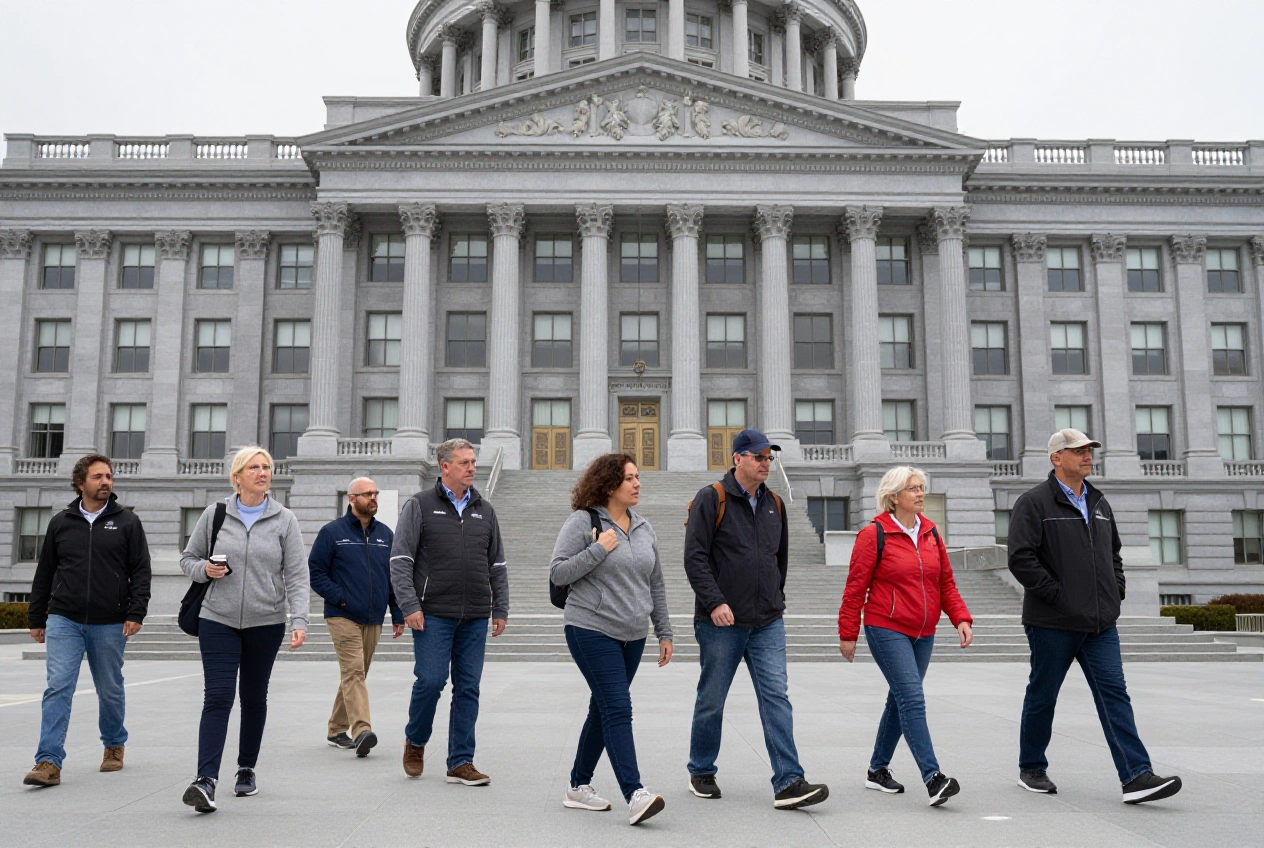
Utah Voters Reject Amendment B, Preserving Current Rules for Tax-Related Ballot Initiatives
Utah voters rejected a proposed constitutional amendment in the November 3, 2026, general election that would have made certain citizen-led ballot initiatives more difficult to pass. Amendment B sought to require at least 60% voter approval for initiatives that impose new taxes or increase existing taxes, replacing the simple-majority threshold currently used for most such measures.
Unofficial results reported after Election Day showed approximately 62% of voters opposing Amendment B and 38% supporting it. The outcome represents a significant decision about the balance between taxpayer protections and the public’s ability to shape state policy through citizen initiatives.
What Amendment B Would Have Changed
Amendment B proposed raising the approval threshold for certain statewide citizen initiatives involving tax increases. These included initiatives that introduce a new tax, expand an existing tax to additional goods or transactions, increase an existing tax rate, or make certain changes to property tax rates.
Supporters argued that requiring broader voter support for tax-related initiatives would help protect residents from tax increases. Opponents argued that the measure would restrict direct democracy by making it harder for citizens to enact policies through the ballot box.
The debate reflected a broader question about how Utah should balance fiscal safeguards with the ability of voters to influence public policy directly.
What the Defeat Means for Utah Residents
With Amendment B defeated, the existing simple-majority requirement remains in place for most citizen-initiated statewide laws, including qualifying initiatives that involve taxes. This means future proposals can still pass with more than half of the votes cast, subject to the state’s other legal requirements.
The outcome does not mean that future tax-related initiatives will automatically pass. Proposals must still qualify for the ballot, receive voter support, and comply with applicable laws.
For residents, the decision preserves the current framework for participating directly in statewide policy decisions. Initiatives involving education, public services, infrastructure, and other issues may continue to be considered through the citizen initiative process when they meet the relevant requirements.
Amendment A Also Draws Voter Support
Utah voters also considered Amendment A, which proposed removing the constitutional requirement to publish the text of proposed constitutional amendments in newspapers.
Under the proposal, publication could instead be handled through state websites or other methods established by the Legislature. Supporters argued that changing the requirement would provide greater flexibility in how voters access amendment information.
Unofficial results reported after the election showed Amendment A leading, with approximately 61% voting in favor and 39% opposed. Its final status depends on the official election certification process.
What Happens Next?
Election officials must complete the required canvassing and certification procedures before the results become official. Until then, reported vote totals should be treated as unofficial.
The defeat of Amendment B preserves Utah’s existing approach to most citizen-led ballot initiatives, leaving voters with the same general majority threshold for qualifying proposals. The result also highlights the importance of understanding how constitutional amendments can change the rules governing future elections and public policy.
For Utah homeowners, residents, and community associations, future developments in tax policy, infrastructure funding, and public services remain worth monitoring. Any direct effect on household costs or community budgets will depend on specific policies adopted in the future—not on the amendment result alone.