
-
Severe Flooding Across Arizona Prompts State Emergency Declaration and Ongoing Recovery Efforts
ARIZONA — November 8, 2026
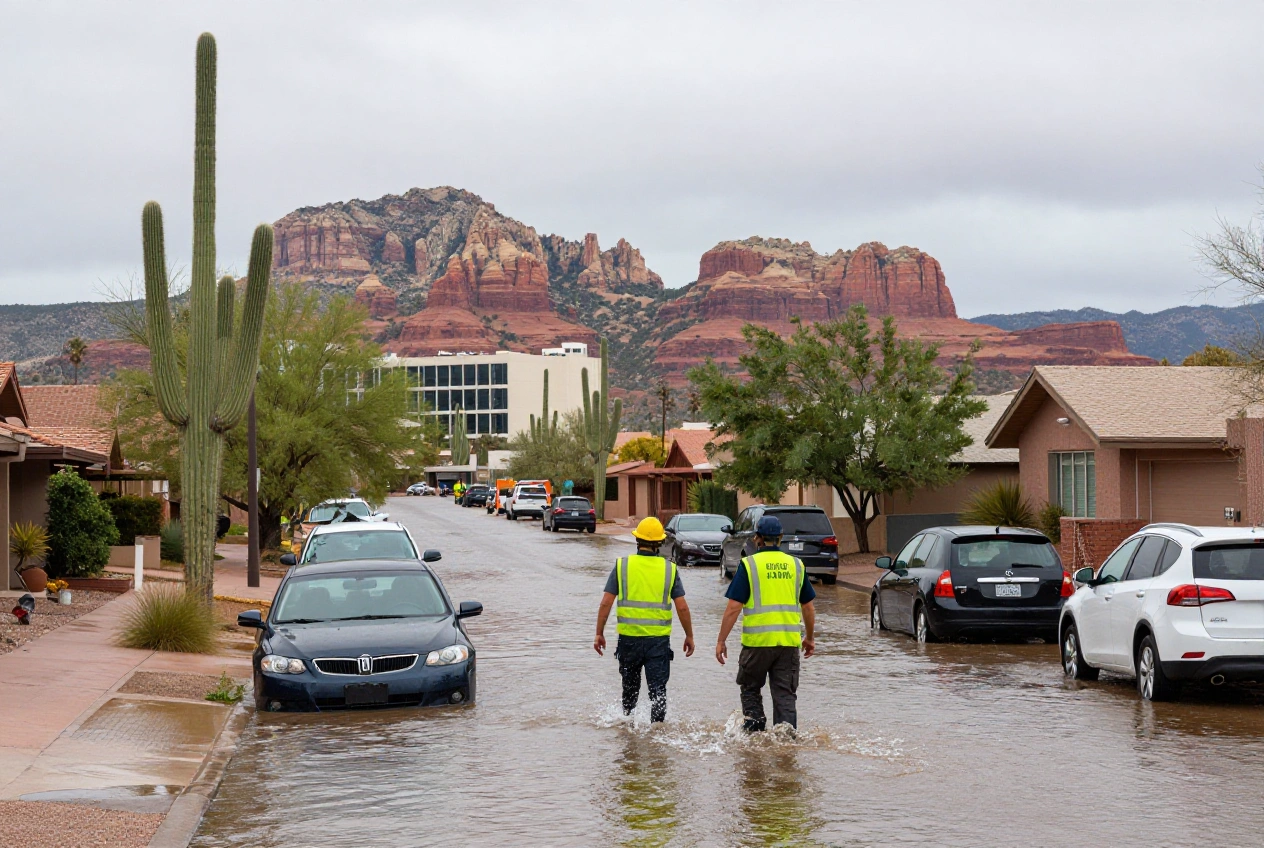
Severe storms and widespread flooding have caused significant damage across parts of Arizona, prompting emergency declarations, evacuations, road closures and rescue operations. Following several days of intense rainfall beginning in late October, state and local authorities continue to assess damage and coordinate recovery efforts in affected communities.
On November 2, Arizona Governor Katie Hobbs declared a statewide state of emergency to support response and recovery operations. The declaration made $200,000 in emergency funding available to help coordinate assistance for impacted communities.
Flagstaff, Sedona and Coconino County have also declared emergencies as officials respond to flooding, damaged infrastructure and hazardous travel conditions.
Why This Matters to Residents and Property Owners
Flooding can create risks that continue long after rainfall subsides. Damaged roads, blocked drainage systems, unstable ground and debris can affect access to homes, businesses and essential services.
For homeowners, renters, property managers and community associations, the situation highlights the importance of monitoring official emergency updates, inspecting properties for damage and following local safety instructions.
Residents in affected areas should remain alert to changing road conditions and any additional evacuation guidance issued by local authorities.
Key Impacts Reported
- Flagstaff: Heavy rainfall caused widespread flooding, road closures and damage to homes, businesses and public infrastructure. City officials have begun damage assessments and recovery operations.
- Sedona and Oak Creek Canyon: Flooding prompted evacuations in areas along Oak Creek Canyon, with debris and damaged infrastructure affecting access to some communities.
- Highways and transportation: Flood-related damage and debris led to road closures, including sections of State Route 89A and State Route 87. Motorists should verify current road conditions before travelling.
- Other affected communities: State officials have reported impacts across multiple counties and tribal communities, with emergency agencies assisting in rescue, evacuation and recovery operations.
The full extent of damage and the time required to restore affected infrastructure may vary by location.
Emergency Response and Recovery
State and local agencies have coordinated emergency response efforts, including water rescues, debris removal, evacuation support and assessments of damaged infrastructure.
The statewide emergency declaration is intended to help coordinate assistance and direct resources toward communities affected by the storms.
In northern Arizona, local authorities have also worked to assess damage, restore access to affected areas and identify additional recovery needs. Some locations may require continued cleanup and infrastructure repairs before normal activities can fully resume.
Residents experiencing property damage should follow instructions from their local emergency management offices regarding reporting procedures and available assistance.
What Residents Should Know About Flood Safety
Flood hazards can remain even after the rain stops. Water may cover damaged road surfaces, conceal debris or create dangerous conditions near washes, streams and drainage channels.
Residents should:
- Avoid driving or walking through floodwaters.
- Follow evacuation orders and instructions from emergency officials.
- Check official road-condition updates before travelling.
- Report damaged roads, downed infrastructure or property hazards to the appropriate local authorities.
- Inspect properties for visible damage when it is safe to do so.
- Contact emergency services if there is an immediate threat to life or safety.
Residents should also avoid entering flood-damaged buildings until they can do so safely.
What This Means for Property Managers and Community Associations
For property managers and community associations, severe weather events reinforce the importance of emergency preparedness and clear communication with residents.
Recommended measures include checking drainage systems, documenting property damage, coordinating necessary repairs and communicating access restrictions or safety concerns to residents.
Where flooding affects shared facilities, parking areas, access roads or building systems, managers should arrange appropriate inspections and qualified repairs. Any damaged electrical equipment or potentially unstable structures should be handled by qualified professionals.
Maintaining accurate records of inspections, repair costs, contractor communications and resident notifications can also support the recovery process.
What Happens Next?
Recovery efforts are continuing as state and local officials assess the damage and determine what additional assistance affected communities may need.
The pace of recovery will depend on the extent of infrastructure damage, the accessibility of affected areas and the work required to restore roads, public facilities and residential properties.
Residents should rely on official state, county and city emergency management updates for the latest information about road access, evacuation status and recovery resources.
Frequently Asked Questions
Has Arizona declared a state of emergency?
Yes. Governor Katie Hobbs declared a statewide state of emergency on November 2, 2026, following severe storms and flooding.
Which areas have been affected?
Reported impacts include Flagstaff, Sedona, Oak Creek Canyon and other communities across Arizona. Conditions and recovery needs vary by location.
Are all roads open again?
Road conditions can change as crews clear debris and assess damage. Residents should check current official road updates before travelling.
What should residents do if their property has been flooded?
Prioritize personal safety, follow local emergency guidance and avoid entering unsafe buildings. Document visible damage when it is safe, and contact the appropriate local authorities or qualified professionals for assistance.
How can property managers prepare for similar events?
Property managers can review emergency plans, maintain drainage systems, establish resident communication procedures and keep records of inspections, maintenance and repairs.
Practical Takeaway
The recent flooding across Arizona demonstrates how severe weather can disrupt transportation, damage residential properties and place significant demands on emergency services.
For homeowners, renters, property managers and community associations, preparedness, timely communication and attention to safety remain essential throughout the recovery process.
As affected communities move from emergency response to longer-term recovery, residents should continue monitoring official updates and follow local guidance to protect people and property.
This article is intended for general informational purposes. Emergency conditions and recovery guidance may change as authorities assess affected areas.