
Washington Appeals Court Revives Landlord’s Challenge to Seattle Rental Regulations
SEATTLE, Wash. — November 8, 2026
The Washington State Court of Appeals has revived a lawsuit brought by the owner of a Seattle affordable housing complex challenging the cumulative effects of the city’s landlord-tenant regulations.
In a published opinion filed October 26, 2026, in GRE Downtowner LLC v. City of Seattle, Division One reversed a lower court’s dismissal of the property owner’s inverse condemnation claims. The decision allows the lawsuit to proceed but does not establish that Seattle’s regulations are unconstitutional or that the owner is entitled to compensation.
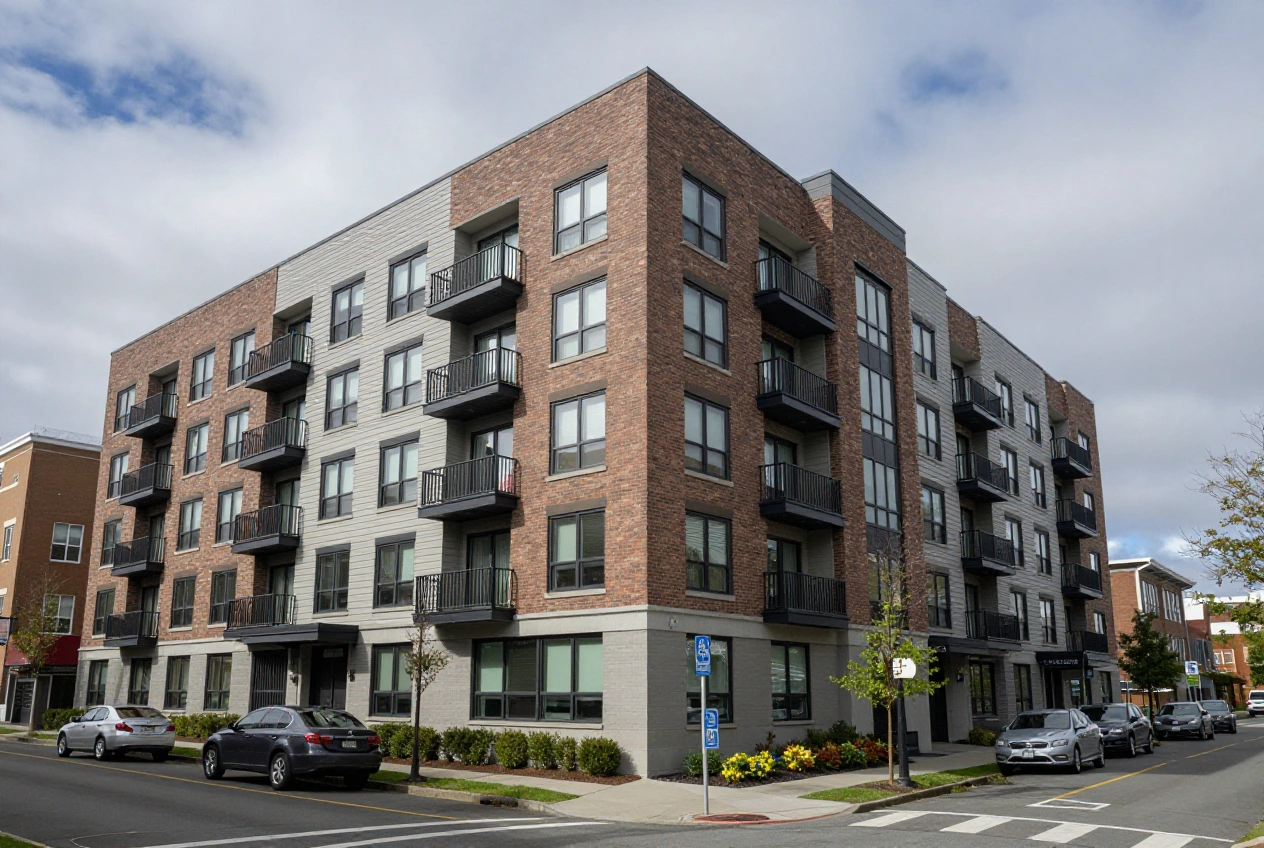
The case centers on the Addison on Fourth, a 254-unit affordable housing complex in Seattle’s Chinatown-International District. The owner, GRE Downtowner LLC, alleges that several city ordinances have significantly affected the property’s financial performance and economic viability.
Key Takeaways
- The lawsuit can proceed: The Court of Appeals determined that the owner had alleged sufficient facts to support its regulatory takings claims at the initial stage of litigation.
- The financial impact is disputed: The court’s opinion describes nearly $6 million in operating losses through 2023, including a reported loss of $2.7 million in 2023.
- Multiple regulations are at issue: The lawsuit challenges the combined effects of six Seattle tenant-protection measures adopted between 2018 and 2021, including temporary COVID-19 eviction restrictions.
- No rental laws were overturned: The decision does not invalidate any of the challenged ordinances or immediately change tenant protections.
- Further proceedings are ahead: The case returns to King County Superior Court for additional proceedings.
What Did the Court Decide?
The Court of Appeals reviewed whether the landlord had presented legally sufficient allegations to proceed with its claims after the trial court dismissed the case.
The owner argues that the combined impact of Seattle’s rental housing regulations amounts to an unconstitutional taking of property without just compensation under Article I, Section 16 of the Washington Constitution.
The appellate court concluded that the complaint contained sufficient facts to support both partial and per se regulatory takings claims. It therefore reversed the dismissal.
The decision is significant because it permits the owner to pursue its claims based on the combined effects of multiple regulations rather than requiring each ordinance to be considered in isolation.
However, the court did not make a final determination that a taking occurred. The allegations will need to be addressed through further proceedings.
Background: The Addison on Fourth
GRE Downtowner LLC purchased the Addison on Fourth in 2012 for $12.5 million and subsequently invested an additional $26.5 million to qualify for the federal Low-Income Housing Tax Credit program.
According to the court’s opinion, the property provides 254 studio and one-bedroom apartments for residents earning up to 60% of the area median income, with designated units for residents with disabilities. The complex also includes artist studios and commercial spaces.
The owner reported that its collection of maximum annual rental income declined from 93.9% in 2018 to 44.1% in 2023. Its complaint also described rising bad debt and expenses associated with security, maintenance, administration, marketing and insurance.
The opinion records reported annual losses of approximately $683,000 in 2020, $980,000 in 2021, $1.8 million in 2022 and $2.7 million in 2023.
These financial figures form part of the owner’s allegations. The appellate court’s decision did not independently establish that the challenged ordinances caused all of the reported losses.
Which Seattle Ordinances Are Being Challenged?
The lawsuit concerns six tenant-protection measures or policy actions identified in the court’s opinion:
- Fair Chance Housing Ordinance (2018): Restricts the use of criminal history as a basis for denying tenancy or evicting existing tenants, subject to applicable law.
- Roommate Ordinance (2019): Establishes occupancy rights for certain additional residents and family members of tenants.
- Winter Eviction Ban (2020): Restricts certain evictions during the winter period, including some cases involving nonpayment of rent.
- COVID-19 Eviction Moratorium (2020–2022): Temporarily restricted evictions during the pandemic. The court’s opinion identifies the period as March 2020 through February 2022.
- Extended Rent Increase Notice (2021): Increased the minimum advance notice for rent increases from 60 days to 180 days.
- Economic Displacement Relocation Assistance (2021): Provides relocation assistance to qualifying tenants who vacate following certain rent increases.
The lawsuit argues that the combined effect of these measures substantially altered the economic and operational conditions of the property.
What Is a Regulatory Taking?
A regulatory taking is a legal claim that government restrictions on private property have gone so far that compensation may be constitutionally required.
Courts generally assess these claims under established legal standards, considering factors such as the economic impact of the regulation, its interference with reasonable investment-backed expectations and the character of the government action. Certain narrowly defined circumstances may be evaluated under separate standards.
In this case, the Court of Appeals concluded that the landlord had pleaded sufficient facts to pursue its claims. It did not determine that the legal requirements for a regulatory taking had ultimately been met.
What Does This Mean for Property Owners and Renters?
For property owners and investors: The decision highlights the potential importance of documenting operating performance, rental income, expenses and the effects of regulatory requirements when evaluating a property-related legal claim. However, the ruling does not guarantee that similar challenges will succeed.
For property managers: The case is a reminder to monitor changes in local rental regulations, maintain accurate financial and operational records, and consult qualified legal counsel when assessing compliance obligations or potential disputes.
For renters: The ruling does not remove existing tenant protections or immediately change Seattle’s rental requirements. The challenged ordinances remain in place unless changed through a separate legal or legislative process.
What Happens Next?
The case returns to King County Superior Court for further proceedings. Additional factual development and legal arguments will be necessary before the underlying claims can be resolved.
The eventual outcome may provide further guidance on how Washington courts evaluate claims involving the combined economic effects of multiple landlord-tenant regulations.
For now, the decision addresses whether the lawsuit can proceed—not whether the property owner has proven its case.
Frequently Asked Questions
Did the Court of Appeals strike down Seattle’s tenant-protection laws?
No. The court reversed the dismissal of the landlord’s claims. It did not invalidate the challenged ordinances.
Did the court rule that Seattle unlawfully took the property?
No. It found the allegations sufficient to proceed at the initial dismissal stage. The merits of the claims remain unresolved.
How much did the property owner report losing?
The opinion describes nearly $6 million in operating losses through 2023, including a reported $2.7 million loss in 2023. These figures are allegations described in the court record, not a final judicial finding of damages caused by the ordinances.
Could this decision affect other property owners?
The published opinion may be relevant to future regulatory takings disputes involving similar circumstances. However, each case will depend on its facts, applicable law and supporting evidence.
Do Seattle renters need to take action because of this ruling?
The decision itself does not require renters to take action or change their existing rights and obligations.
Practical Takeaway
The GRE Downtowner LLC v. City of Seattle decision is an important development in the ongoing discussion about affordable housing operations, property rights and local tenant protections.
For community associations, property owners and real estate professionals, the case underscores the importance of understanding regulatory requirements and monitoring significant legal developments. Its broader implications will become clearer as the litigation continues.
Sources
- Washington State Court of Appeals, Division One, GRE Downtowner LLC v. City of Seattle, No. 87886-7-I, published opinion filed October 26, 2026. Read the official court opinion (PDF)
- The Columbian, “Ruling revives landlord’s challenge to Seattle’s rental laws.” Read the news report
This article is for general informational purposes only and does not constitute legal advice.