
-
Arizona Court Ruling Blocks State From Enforcing Contested Water Rules for Homebuilding
An Arizona judge has refused to suspend a ruling that struck down a state groundwater policy affecting new home construction in parts of the Phoenix metropolitan area. The decision means the Arizona Department of Water Resources (ADWR) cannot continue enforcing the challenged policy while the state appeals.
In an order reported on October 22, 2026, Maricopa County Superior Court Judge Scott Blaney rejected the department’s request to put his earlier ruling on hold. The dispute centers on how Arizona evaluates whether proposed residential developments have access to an assured 100-year water supply.
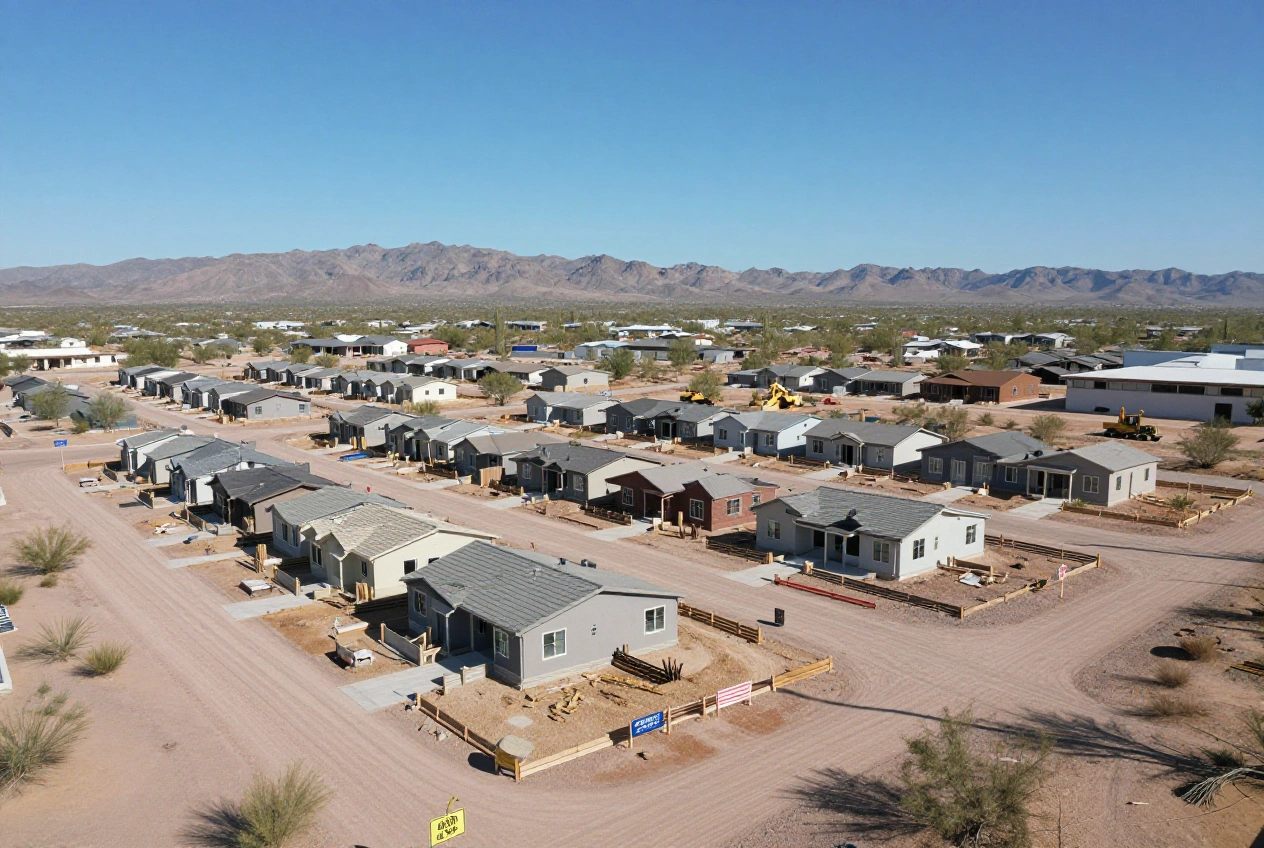
The case could affect developers seeking approval for new communities in areas such as Queen Creek and Buckeye, where the contested policy had restricted some proposed housing projects.
How the Water Policy Dispute Began
Arizona requires certain developments in designated Active Management Areas to demonstrate an assured water supply for 100 years. ADWR administers the state’s Assured Water Supply program, which is intended to ensure that approved developments have a legally adequate and reliable water source.
In 2023, the department adopted a stricter approach to evaluating groundwater availability in the Phoenix Active Management Area. Under the challenged policy, the agency considered groundwater conditions across the broader management area rather than relying solely on conditions associated with an individual development’s water provider.
The change led to some proposed developments being denied the necessary water-supply determinations, limiting their ability to move forward.
The Home Builders Association of Central Arizona challenged the policy, arguing that the department had made a substantive change to its rules without following the formal process required under state law.
What the Judge Decided
Judge Blaney ruled earlier in 2026 that ADWR had improperly implemented the policy without following the required rulemaking procedures, including opportunities for public input.
The ruling did not eliminate Arizona’s 100-year assured water supply requirement or remove the department’s authority to regulate groundwater. Instead, it addressed how the agency had changed the way it applied the requirements.
The department subsequently asked the court to suspend the ruling while it pursued an appeal. On October 22, Blaney rejected that request, leaving the earlier decision in effect during the appeal.
The judge’s order means the department cannot rely on the invalidated policy in the same way while the legal challenge continues. It does not automatically approve every development that was previously denied or guarantee that individual projects will receive permits.
What It Could Mean for Homebuilding
The ruling could give some developers a path to seek new water-supply determinations under the rules that applied before the contested policy change.
That may matter in growing communities on the outskirts of the Phoenix area, including Queen Creek and Buckeye, where the policy had restricted certain proposed subdivisions.
However, each project must still meet applicable legal and regulatory requirements. Water availability, local planning decisions, infrastructure capacity and other permitting conditions can continue to affect whether and when construction proceeds.
The decision also does not guarantee that additional homes will be built immediately or that housing prices will fall. Any effect on supply will depend on how developers, water providers and local authorities respond.
The State’s Appeal and Arizona’s Water Concerns
ADWR has defended its approach, arguing that groundwater modeling and updated information showed the need to consider conditions across the wider basin. The department has also emphasized the importance of protecting existing groundwater users and managing limited water resources.
The legal dispute is therefore about both groundwater policy and the process government agencies must follow when changing rules that affect development.
The state’s appeal leaves the longer-term outcome unresolved. An appellate court could review the lower court’s decision, and future regulatory action may also be possible if the agency follows the applicable procedures.
What Buyers, Sellers and Developers Should Know
For prospective buyers, the ruling may eventually affect the availability of new homes in some parts of the Phoenix metropolitan area, but the impact will not be immediate or uniform.
Developers with projects affected by the policy should consult their legal advisers and water providers about the status of their applications and any steps needed under the rules currently in effect. Buyers considering homes in proposed communities should verify the project’s approval status rather than assume the court decision guarantees construction.
The case highlights a continuing challenge for Arizona: balancing housing growth with the need to manage groundwater responsibly. For now, the court has limited the state’s ability to enforce the disputed policy while the appeal proceeds, but the broader questions surrounding water availability and future development remain.