
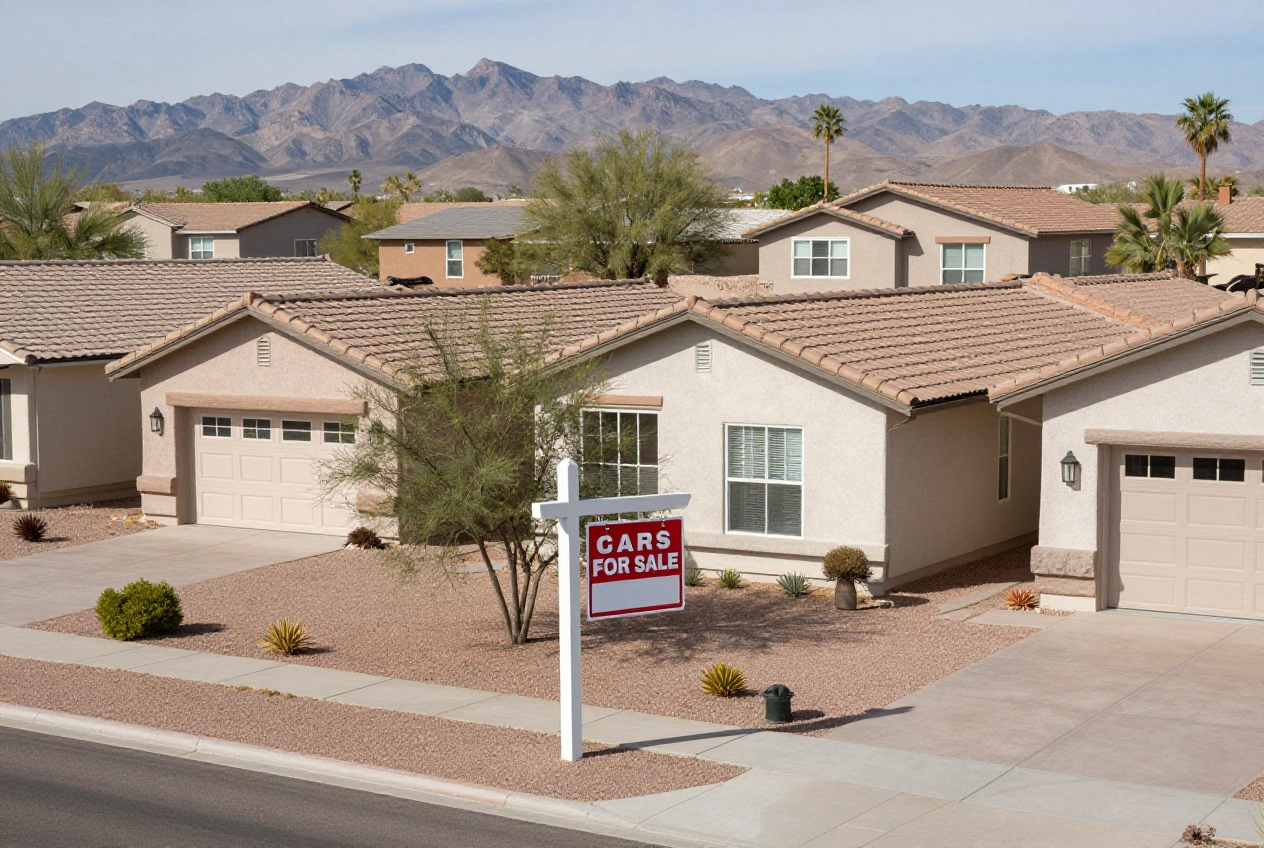
Phoenix Housing Market Gives Buyers More Options as Sales Slow
Greater Phoenix homebuyers are seeing more properties available this fall as higher mortgage rates and affordability concerns weigh on housing activity. September data show a market with more inventory and fewer homes going under contract, although price trends continue to vary by city and property type.
The latest reports from Phoenix REALTORS®, Zillow, and other housing data providers suggest that buyers may have more room to compare properties and negotiate. However, the market is not moving uniformly: some areas continue to record price gains even as contract activity slows.
Why Mortgage Rates Matter
Mortgage rates remain a significant factor in home affordability. Freddie Mac reported that the average rate on a 30-year fixed-rate mortgage was 7.40% on October 15, 2026, unchanged from the previous week.
At these rates, monthly payments can be substantially higher than they would be with a lower interest rate, affecting how much buyers can afford to borrow. Some households may delay purchasing, consider less expensive properties, or negotiate for seller concessions that help reduce upfront costs or lower their mortgage rate.
For buyers comparing homes across the Phoenix area, evaluating the total monthly cost—not just the listing price—is especially important.
Greater Phoenix Sales Slow in September
According to Phoenix REALTORS® data reported in October, Greater Phoenix’s single-family market experienced a notable slowdown in September. Closed sales declined 4.9% year over year, while pending sales fell approximately 40.1%.
Despite the weaker monthly figures, year-to-date closed sales remained ahead of the same period in 2025. This contrast suggests that September’s slowdown should be viewed alongside the broader performance of the market throughout the year.
The increase in available properties is another important development. Regional market data showed that inventory across the Arizona Regional Multiple Listing Service (ARMLS) service area reached approximately 4.45 months of supply in September, up 11.9% from a year earlier.
More inventory can give buyers additional choices and reduce pressure to make quick decisions. However, market conditions still vary by neighborhood, price range, and property type.
Phoenix City Prices Show Signs of Softening
Phoenix city recorded a September median sales price of $485,000, down 3.5% compared with September 2025, according to Phoenix REALTORS® data.
The city also experienced fewer closed and pending sales than a year earlier. Together, these trends suggest that buyers may have greater negotiating opportunities in some parts of the market, particularly when properties have been listed for an extended period or are priced above comparable homes.
For sellers, competitive pricing remains important. Reviewing recent sales in the immediate neighborhood can provide a more useful guide than relying on a metro-wide average.
It is also important to distinguish a median sales price from a home-value index or median asking price. These measures use different methodologies and may move in different directions during the same period.
Scottsdale Continues to Show Price Resilience
Scottsdale’s housing market has performed differently from some other parts of the Phoenix area.
Phoenix REALTORS® reported that Scottsdale’s closed sales increased 2.2% year over year in September. Its median sales price rose 4.3% to approximately $1.2 million, while year-to-date closed sales were up 10.6%.
These figures indicate that Scottsdale’s higher-priced market has maintained relative strength despite broader affordability pressures. However, the number of homes going under contract declined sharply in September, showing that price resilience does not necessarily mean buyer activity is accelerating across every measure.
For buyers considering Scottsdale, property condition, location, and pricing remain important factors. Sellers should also consider that a higher median price does not guarantee that every home will appreciate or sell quickly.
Zillow Data Shows Continued Buyer Interest
Zillow’s September analysis found that the number of engaged home shoppers per listing in the Phoenix metro area increased 19.8% year over year.
This suggests that online interest in available homes remains active even as fewer transactions move forward. However, browsing and engaging with a listing does not necessarily translate into an offer or a completed purchase.
The distinction matters in a market where borrowing costs may lead prospective buyers to research homes without immediately committing to a purchase.
Zillow’s home-value estimates, meanwhile, provide a different view of market conditions from the closed-sale figures reported by local real estate organizations. Buyers and sellers should compare data from the same geographic area and reporting period before drawing conclusions about whether prices are rising or falling.
What This Means for Buyers and Sellers
For buyers: Increased inventory may provide more opportunities to compare properties, request repairs, or negotiate seller concessions. Buyers should review comparable sales and confirm affordability with a lender before making an offer.
For sellers: Pricing a property in line with recent neighborhood sales may help attract serious buyers. Sellers should be prepared to consider how competing listings, property condition, and financing costs influence demand.
For real estate investors: Investment decisions should account for purchase price, financing costs, potential rental income, ongoing expenses, and resale prospects. Broad claims about Sun Belt migration or demand should not replace property-specific financial analysis.
A Practical Takeaway for the Arizona Market
Greater Phoenix’s September housing data point to a market with more inventory and weaker contract activity, while Scottsdale has continued to show price resilience. Mortgage rates near 7.4% remain a challenge for affordability, but local differences mean buyers and sellers should not assume every neighborhood is experiencing the same conditions.
Texas residents considering a move or investment in Arizona may find these trends useful when comparing markets. However, the data reviewed here do not establish that migration from Texas is driving the current changes in Phoenix-area prices or sales.
The most effective next step is to review current information for the specific city, neighborhood, and property type. Market averages offer useful context, but a well-informed decision depends on the details of the individual property and the buyer’s financial circumstances.