
California Wildfire Activity Remains Below Recent Averages, but Fire Season Is Not Over
California has experienced significantly less wildfire activity in 2026 than in recent years, offering some relief to communities that regularly face wildfire threats, evacuation warnings and smoke-related disruptions.
According to the California Department of Forestry and Fire Protection (CAL FIRE), approximately 339,171 acres had burned statewide as of October 19, 2026. That is considerably below the 522,306 acres recorded over the same period in 2025 and the five-year average of approximately 1.10 million acres.
Although the figures point to a quieter season so far, officials continue to monitor fire conditions. California’s wildfire risk can persist into autumn, particularly when dry vegetation, high temperatures and strong winds combine.
Why This Matters to Local Communities
Lower burned acreage can mean fewer communities affected by large fires and less disruption from evacuations, road closures and wildfire smoke. However, the risk varies by location, and even a relatively quiet statewide season can include serious fires that threaten homes and infrastructure.
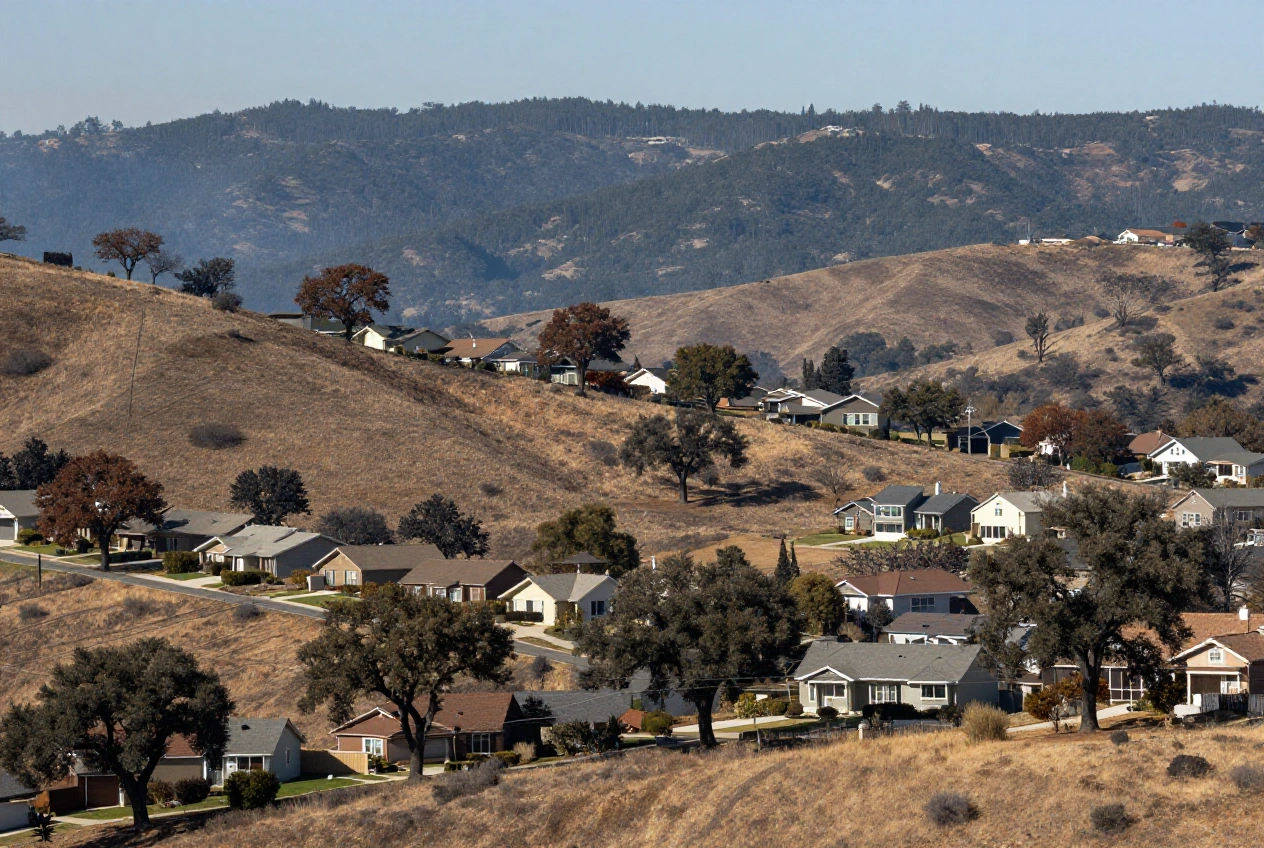
For homeowners in foothill communities and areas near wildland vegetation, the current trend is encouraging but should not replace year-round preparedness.
Wildfires can also affect housing, insurance availability, property maintenance and local infrastructure. Communities near fire-prone areas should continue reviewing emergency plans and ensuring residents know how to receive official evacuation notices.
What the Numbers Show
CAL FIRE’s year-to-date figures, updated October 19, show:
- 339,171 acres burned in 2026, compared with 522,306 acres over the same period in 2025.
- 6,219 wildland fires reported in the combined CAL FIRE and U.S. Forest Service statistics.
- Approximately 1.10 million acres burned on average over the same period during the previous five years.
These figures are preliminary and may change as agencies update incident records and acreage estimates.
The numbers demonstrate that California has experienced substantially less burned acreage than its recent average. They do not establish the final ranking of the 2026 season because the year is still underway.
Weather and Fire Prevention Remain Important
Wildfire activity is influenced by multiple factors, including rainfall, temperature, wind, vegetation moisture and the amount of dry fuel available to burn.
Land management also plays a role. On October 9, the Bureau of Land Management announced plans for prescribed burning in parts of Shasta, Tehama, Trinity and Butte counties, subject to suitable weather, fuel and air-quality conditions. These carefully planned operations are intended to reduce hazardous vegetation and help protect nearby communities.
However, the available evidence does not establish that prescribed burns or early detection alone caused California’s lower burned acreage this year. Weather conditions and other factors must also be considered.
Fire Season Is Not Over
Even after the main summer fire period, California can experience dangerous fires during autumn. Dry vegetation and strong seasonal winds can create hazardous conditions, particularly in areas exposed to offshore wind events.
Residents should continue following CAL FIRE updates and local emergency instructions rather than assuming that reduced statewide fire activity means their own community is out of danger.
Homeowners in fire-prone areas can take practical steps, including clearing dry vegetation around their homes where appropriate, maintaining defensible space, preparing an evacuation checklist and keeping important documents accessible.
Preparing for Winter: Floods and Debris Flows
Communities affected by previous wildfires may face additional hazards when heavy rain arrives. Burned slopes can become more vulnerable to erosion, flash flooding and debris flows, depending on the severity of the fire and local terrain.
Residents in affected areas should check local emergency management guidance and National Weather Service alerts before and during significant storms. Evacuation routes and alert subscriptions should be reviewed before hazardous weather develops.
Where Residents Can Find Updates
For current conditions and preparedness information, residents can consult:
- CAL FIRE: https://www.fire.ca.gov/ — wildfire incidents, statistics and fire-prevention guidance.
- Ready for Wildfire: https://readyforwildfire.org/ — home preparedness, defensible space and evacuation planning.
- National Weather Service: https://www.weather.gov/ — local weather warnings, flood forecasts and hazardous-weather alerts.
Looking Ahead
California’s lower wildfire acreage in 2026 is encouraging, but the season is not yet over and conditions can change quickly. Continued prevention work, emergency planning and access to reliable alerts remain important for homeowners and communities across the state.
For community associations and property managers, this is a useful time to review emergency communication procedures, confirm that residents know where to find official alerts and assess whether landscaping or shared areas require seasonal maintenance.
The central takeaway is simple: lower wildfire activity provides some relief, but preparedness remains essential throughout the year.