
Hilo Judge Overturns Denial of 17-Unit Keaukaha Apartment Project
A Hawaiʻi Circuit Court judge has overturned the Windward Planning Commission’s denial of a permit for a proposed 17-unit apartment building in Keaukaha, Hilo, creating a new path forward for the workforce housing development.
On September 1, 2026, Hilo Circuit Judge Peter Kubota granted a Special Management Area Use Permit for the project, reversing the commission’s September 5, 2024, decision to deny the application by a 4–1 vote. The development, proposed by Texas-based applicant Niel Jayasinghe, had faced opposition from residents concerned about its size, traffic, infrastructure demands and affordability.
The ruling found that the project was consistent with the objectives of applicable rules and with Hawaiʻi County’s General Plan, Hilo Community Development Plan and Zoning Code. However, the decision does not mean construction has already started.
Why This Matters to Local Residents
The case highlights the role courts can play when developers challenge local land-use and permitting decisions. For Hilo, it also brings renewed attention to the balance between increasing housing opportunities and addressing neighborhood concerns about infrastructure, density and development costs.
The proposed apartment building would add 17 rental units to Keaukaha. Whether the project ultimately moves into construction will depend on compliance with applicable conditions and the remaining development requirements.
Key Details of the Court Ruling
A permit denial reversed
The Windward Planning Commission rejected the project in September 2024 following public opposition. Residents raised concerns about the development’s scale, local road conditions, wastewater infrastructure and whether the proposed rents would be affordable to people living in the area.
After the denial, the developer filed an agency appeal lawsuit in January 2025. Judge Kubota’s September 2026 ruling reversed the commission’s decision and granted the permit, subject to conditions.
Project size and proposed rents
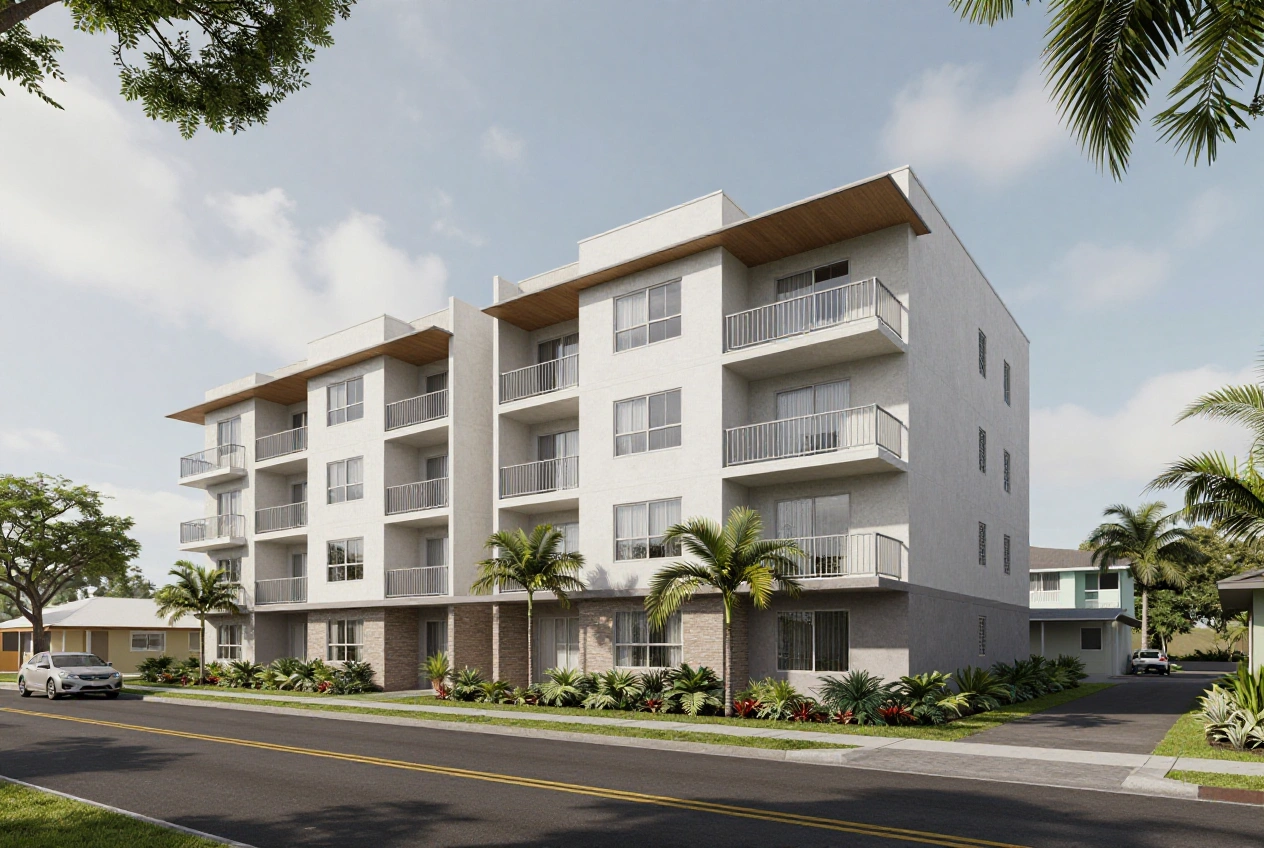
The development is planned as a four-story apartment building of approximately 41,600 square feet on a 0.445-acre parcel near Kalanianaʻole Street and Onekahakaha Road in Keaukaha.
The proposal includes 17 rental units, with reported monthly rents of $2,250 to $3,000 for most two-bedroom units and $3,500 for a three-bedroom unit. The project was presented as workforce housing intended for households around 100% of the area median income.
Those rents were a point of contention during the original permitting process. Some residents and commissioners questioned whether the units would be affordable for families in the immediate community. The project’s workforce-housing designation should therefore not be taken to mean that all local households will qualify for or be able to afford the apartments.
Conditions remain important
The permit includes conditions addressing issues such as fire protection and archaeological monitoring. The developer must satisfy applicable requirements before the project can proceed through construction.
County records also show that the Windward Planning Commission was scheduled to review the court decision. That administrative follow-up is distinct from the court’s ruling itself.
Potential Implications for Buyers, Renters and Developers
For renters, the project could eventually provide additional housing options if it advances to completion. However, the number of units is relatively small, and the proposed rents may remain out of reach for some households.
For developers and property owners, the case demonstrates that land-use decisions can be challenged through the courts. Such challenges may change a project’s permitting path, but they can also involve lengthy proceedings, legal expenses and uncertainty.
For nearby residents, the decision reinforces the importance of understanding the conditions attached to development approvals and following subsequent county proceedings. Concerns about traffic, wastewater capacity, fire safety and neighborhood impacts remain relevant even after a permit dispute is resolved.
Broader Context for Hawaiʻi Housing
Hawaiʻi continues to face pressure to expand its housing supply, including rental options for working households. Projects such as the proposed Keaukaha apartments illustrate the difficult questions local communities and public agencies must weigh when housing proposals move through the permitting process.
The court’s decision resolves a significant dispute over this particular permit, but it does not establish that every rejected housing proposal should be approved. Each project remains subject to its own legal requirements, site conditions and applicable land-use rules.
Practical Takeaway
The Keaukaha ruling is an important development in a prolonged permitting dispute, but it is not confirmation that the apartments are under construction or that the housing shortage will be meaningfully eased by this project alone.
Residents, prospective renters and real estate professionals should follow updates from Hawaiʻi County’s Planning Department and the Windward Planning Commission for information on project conditions and next steps.
For additional reporting, see the Hawaiʻi Tribune-Herald’s coverage of the original permit denial and the Hawaiʻi County public notice concerning review of the court decision.