
Texas Data Center Debate Intensifies as Hinojosa Calls for Stronger Oversight
Texas is facing growing debate over how to regulate data center development as concerns about electricity demand, water use and local infrastructure become more prominent. Democratic gubernatorial nominee Gina Hinojosa called for a pause on new data center projects during a press conference in Dallas on October 13, while Republican Gov. Greg Abbott has separately ordered a halt to state environmental permits for data center projects pending further reviews.
The developments highlight a policy challenge for Texas: how to accommodate investment in data centers that support cloud computing and artificial intelligence while addressing concerns about the costs and resource demands placed on local communities.
Hinojosa Calls for a Pause on New Projects
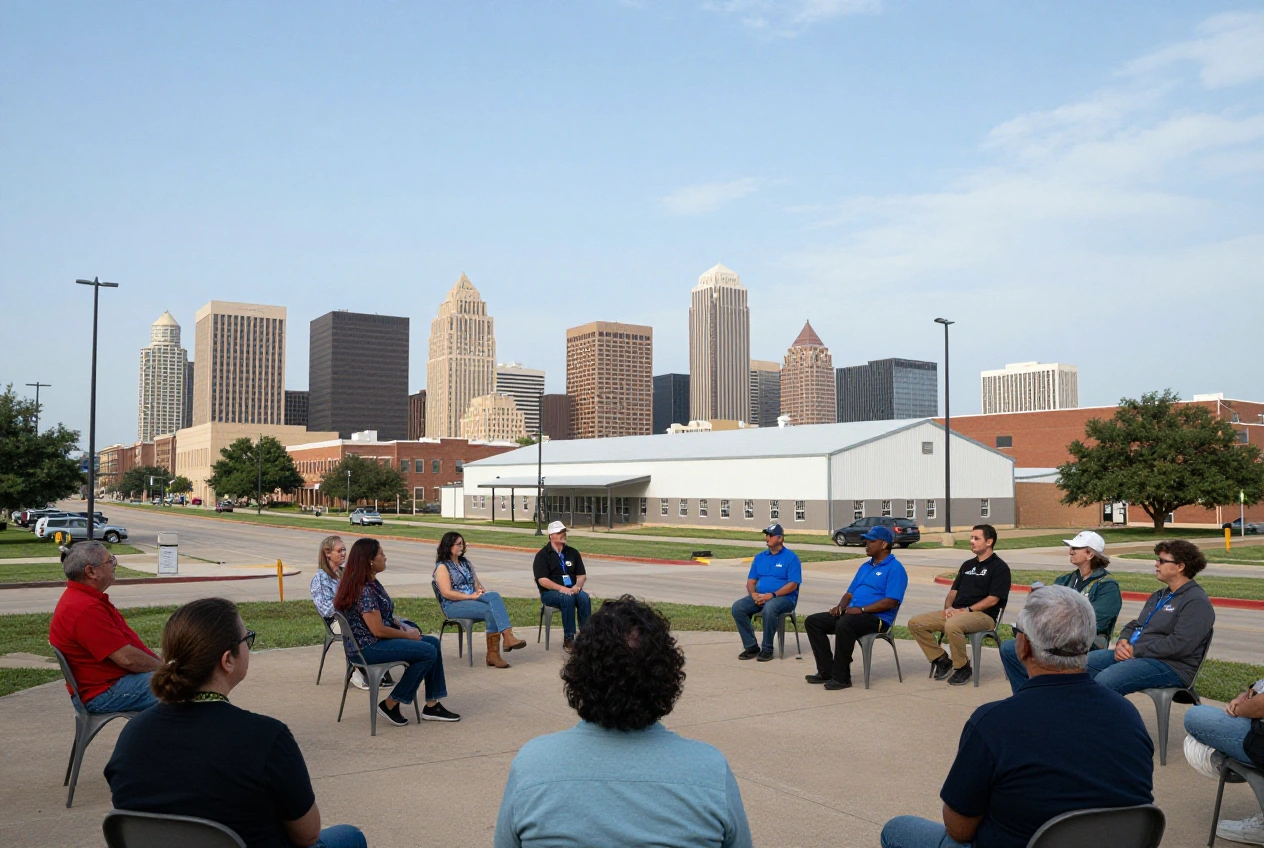
Hinojosa, who is challenging Abbott in the November 2026 gubernatorial election, appeared in Dallas alongside residents concerned about data center development. She argued that stronger protections should be established before additional projects move forward.
Her proposal builds on calls she made earlier in 2026 for a temporary moratorium until the Texas Legislature can consider additional safeguards.
Hinojosa has focused on the potential effects of large data centers on residential electricity costs, water resources and communities that may have limited influence over development decisions. Her campaign has also criticized the financial incentives available to the industry.
These are proposals from a gubernatorial candidate, rather than enacted statewide policy. Whether they would become law would depend on subsequent executive, regulatory or legislative action.
Abbott Orders a Separate Pause on State Permits
On September 21, Abbott directed the Texas Commission on Environmental Quality (TCEQ) to halt permits sought by data center projects until state agencies complete reviews of the industry’s effects on electricity and water resources.
The governor directed the Electric Reliability Council of Texas (ERCOT), the Public Utility Commission of Texas and the Texas Water Development Board to examine relevant data center activity and resource demands.
The reviews are intended to help officials assess grid reliability, electricity infrastructure costs and water use. Abbott has said data centers should cover their own infrastructure expenses and comply with requirements intended to protect local communities.
The directive is a separate action from Hinojosa’s campaign proposal. Although both involve additional scrutiny of data center development, they come from different political positions and should not be treated as the same policy.
The scope of Abbott’s directive concerns state permitting and regulatory approvals. It should not be interpreted as an automatic cancellation of every existing data center or a universal ban on all construction activity.
Why Data Center Growth Matters to Texas Communities
Data centers provide computing capacity for online services, business systems and artificial intelligence applications. Their development can bring construction activity, investment and some permanent jobs, while also requiring substantial electricity and supporting infrastructure.
Water demand varies by facility design and cooling system. Electricity needs can also differ significantly depending on a facility’s size, equipment and operating requirements.
For communities near proposed projects, the main questions include whether local infrastructure can support additional demand, who pays for necessary upgrades, how water resources will be managed and whether nearby residents will have meaningful input into development decisions.
The effect on household utility bills is not identical in every location. It depends on factors such as grid investment, electricity-market arrangements, utility planning and how infrastructure costs are allocated.
San Antonio Considers Local Development Rules
The debate is also playing out at the municipal level. In San Antonio, residents gathered at Northwest Vista College on October 13 to discuss data center development and potential changes to the city’s land development rules.
Community concerns included water use, electricity demand, noise, zoning and the effects of facilities on nearby neighborhoods.
City officials have been considering possible zoning and development standards, including whether new data centers should require specific-use authorization that would allow City Council to review individual proposals. Other options involve location restrictions and site requirements.
As of October 15, these changes remain under consideration. The city’s Zoning Commission is scheduled to hold a public hearing on October 20, with a City Council vote on the proposals scheduled for October 29, 2026.
The process gives residents and businesses an opportunity to follow the proposed rules and participate in public discussion before decisions are finalized.
Tax Incentives and the Next Legislative Session
Financial incentives are another part of the broader debate. Hinojosa has criticized tax breaks for data center developers, while Abbott has said he intends to work with the Legislature to eliminate financial incentives for the industry in the next legislative session.
The proposals raise questions about how Texas should balance attracting investment with protecting public resources and managing the costs associated with large developments.
Any changes to statewide tax policy would require the relevant legal and legislative steps. The final outcome will depend on the proposals introduced, legislative action and any applicable implementation requirements.
What Residents and Property Owners Should Watch
For residents, property owners and businesses in areas experiencing data center growth, several developments warrant attention:
- State reviews: Updates from ERCOT, the Public Utility Commission of Texas and the Texas Water Development Board on electricity and water demand.
- Environmental permits: Guidance from TCEQ on how Abbott’s directive is being implemented.
- Local zoning: San Antonio’s October public hearing and scheduled City Council consideration of proposed development rules.
- State policy: Further proposals from the governor and gubernatorial candidates concerning tax incentives, infrastructure costs and resource protections.
Texas has not adopted one uniform approach to every issue raised by data center development. State permitting, local zoning, utility planning and tax policy involve different authorities and processes.
The debate is likely to remain a significant issue as Texas considers how to accommodate technology-sector growth while addressing community concerns. The practical effects on individual projects and neighborhoods will depend on the final rules, the results of state reviews and decisions made by local authorities.