
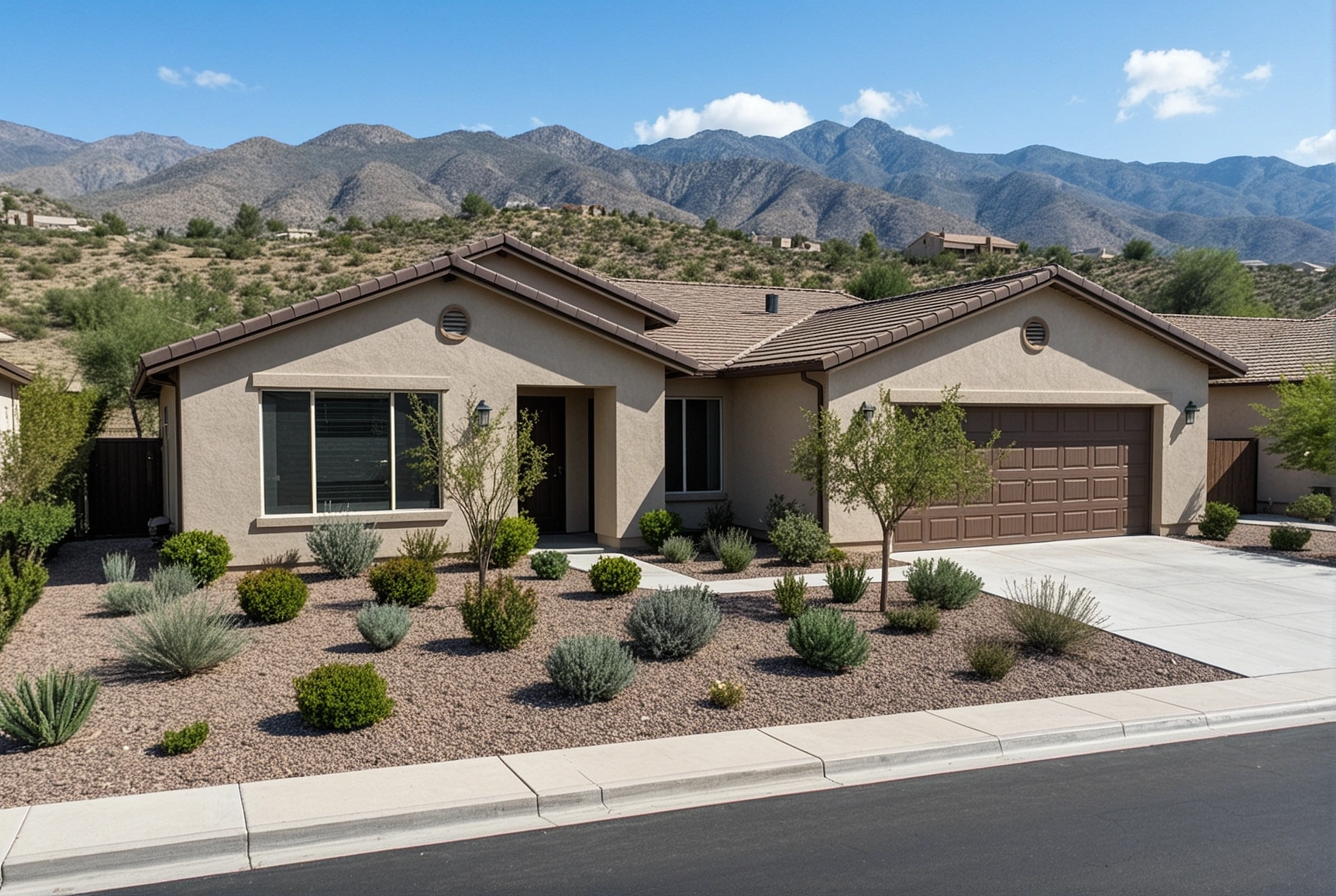
Nevada Housing Market Cools as Las Vegas Home Sales Slow
Nevada’s housing market is showing signs of a slower pace as home sales decline and inventory grows in parts of the state. In Southern Nevada, August 2026 data points to slightly lower home prices and fewer transactions compared with the same period last year.
For buyers, these changes may create more opportunities to compare properties and negotiate. Sellers, meanwhile, may need to pay closer attention to pricing, presentation, and competition as market conditions evolve.
Home Prices and Sales Trends in Southern Nevada
According to Las Vegas REALTORS® (LVR), the median price of existing single-family homes sold in Southern Nevada reached $475,000 in August 2026, a 1% decrease from August 2025. The figure was also below the record high of $490,000 reached in May and June 2026.
The condo and townhome market followed a different pattern. Their median sale price was $299,900, up 0.6% compared with the previous year.
Sales activity also slowed. A total of 2,252 existing homes, condos, and townhomes sold in August. Single-family home sales declined 1.7% year over year, while condo and townhome sales fell 7.4%.
These figures show why it is important to examine different property types separately. A price decline in one segment does not necessarily mean the entire market is experiencing the same trend.
Inventory Gives Buyers More Options
Available listings increased in Southern Nevada compared with the previous year.
By the end of August, 7,590 single-family homes were listed without an accepted offer, representing a 5.3% increase year over year. Condo and townhome listings without offers reached 2,714, up 6% from August 2025.
The sales pace represented just over four and a half months of housing supply, slightly higher than a year earlier.
For buyers, additional listings can mean more choices and potentially more room to negotiate. However, competition still depends on a property’s location, condition, price, and demand within its particular segment.
What the Market Means for Buyers and Sellers
Buyers may benefit from comparing more available homes and reviewing recent comparable sales before making an offer. Understanding financing costs, securing pre-approval, and evaluating a property’s condition can also help buyers make informed decisions.
Sellers may need to adopt a more strategic approach. Competitive pricing, professional photographs, thoughtful staging, and a well-prepared property can help attract serious buyers.
The August report also showed that 74.8% of existing single-family homes sold within 60 days, compared with 77.5% during the same month in 2025. This suggests that some properties are taking longer to sell than they did a year earlier.
Practical Tips for Navigating Nevada’s Housing Market
- Review recent comparable sales: Look at properties with similar features and locations to understand current market value.
- Compare active listings: Buyers and sellers should pay attention to competing properties and recent price adjustments.
- Prepare financing early: Buyers can benefit from understanding their budget and obtaining mortgage pre-approval.
- Price properties realistically: Sellers should consider current demand and comparable sales when setting an asking price.
- Seek local market guidance: A licensed real estate professional can help interpret trends in a specific neighborhood or property category.
Nevada’s housing conditions are not uniform across the state. The August figures discussed here reflect Southern Nevada’s MLS activity and should not be treated as statewide statistics. Buyers and sellers in Reno, Sparks, and other Nevada communities should review their own local market reports.
As housing activity changes, using current local data can help buyers and sellers set realistic expectations and make decisions that fit their circumstances.