
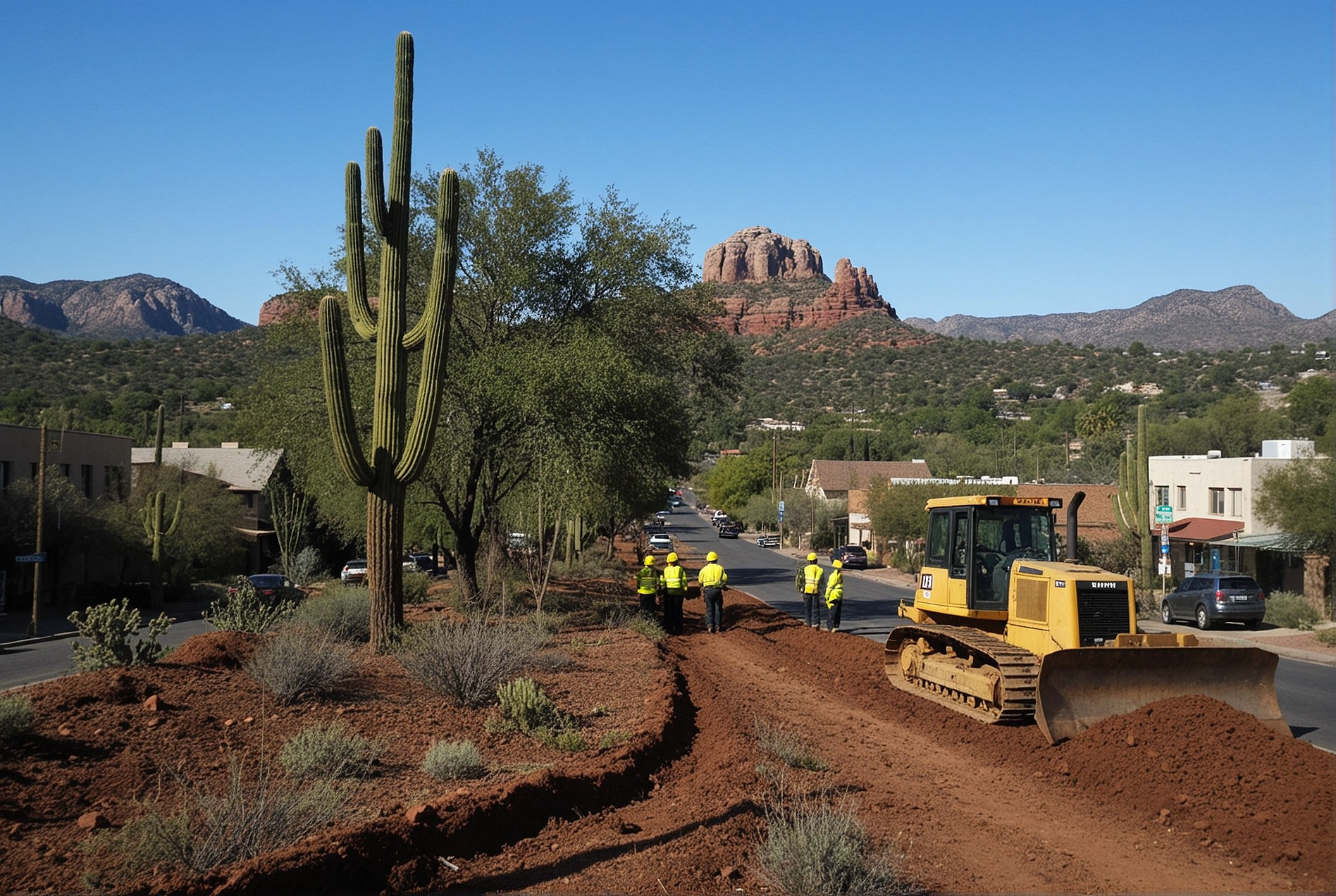
Arizona Advances Housing Affordability Efforts Through New Infrastructure Financing Law
Arizona Housing Market | Housing Affordability | Real Estate Development | Community Planning
Housing affordability remains an important issue across Arizona as residents, developers, and local governments navigate the costs of purchasing, building, and maintaining homes.
During the 2026 legislative session, Arizona lawmakers considered several measures related to housing affordability, construction costs, and development regulations. One significant development was the passage of House Bill 2999, a bipartisan measure signed by Governor Katie Hobbs in June 2026.
The new law establishes a financing mechanism designed to help cover infrastructure costs associated with residential development. It reflects one approach to addressing the financial barriers that can slow down new housing construction.
New Law Creates a Financing Option for Housing Infrastructure
Infrastructure is a major component of residential development. Roads, sewer systems, and other essential services can add substantial costs to new housing projects.
House Bill 2999 allows property owners to establish state affordability infrastructure districts. These districts can issue bonds and levy taxes to finance eligible housing-related infrastructure improvements.
The approach is intended to help housing projects move forward by providing a funding mechanism for essential infrastructure without placing those costs directly on taxpayers outside the district.
Supporters of the legislation say that addressing infrastructure expenses could help make residential construction more financially feasible and contribute to the development of additional housing.
However, the actual impact on home prices and housing availability will depend on how the districts are used, the projects they support, and the broader conditions of the housing market.
Arizona Lawmakers Also Considered Changes to Homebuilding Regulations
Alongside infrastructure financing, Arizona lawmakers debated proposals aimed at changing certain residential development requirements.
Senate Bill 1431, considered during the 2026 legislative session, sought to limit certain municipal requirements related to home design and features in new developments.
Supporters argued that giving homebuilders greater flexibility could reduce construction costs and provide buyers with more choices.
Some local government representatives raised concerns about maintaining municipal authority over building and community standards.
The measure did not receive a final House vote before the legislative session ended. As a result, its proposed changes did not become law through that bill during the 2026 session.
The discussion highlights the different considerations involved in housing policy, including construction costs, local planning authority, safety requirements, and neighborhood design.
How Housing Legislation Could Affect Arizona Communities
Changes to housing finance and development regulations can have implications beyond the construction industry.
For homeowners, new residential projects may influence neighborhood growth, local infrastructure requirements, and demand for community services.
For HOA boards and property managers, nearby development activity can create additional considerations involving traffic, shared infrastructure, landscaping, and long-term community planning.
The effects will vary by location and project. New construction does not automatically lead to lower home prices, and infrastructure financing does not guarantee that every proposed development will move forward.
Understanding how local development decisions are made can help homeowners and community associations prepare for potential changes in their neighborhoods.
What HOA Boards and Property Managers Should Monitor
As Arizona continues to address housing affordability and development needs, HOA boards and property managers can take several practical steps to remain informed.
- Monitor local development proposals: Stay aware of residential projects and infrastructure plans in and around the community.
- Review infrastructure considerations: Understand how nearby construction could affect roads, drainage, utilities, and shared facilities.
- Plan long-term maintenance budgets: Consider how changes in surrounding development may influence maintenance needs and community expenses.
- Maintain communication with residents: Keep homeowners informed about relevant development proposals and local planning decisions.
- Follow local government updates: Review city and county planning announcements to understand how new policies may affect the neighborhood.
Proactive planning can help associations respond to changing conditions while protecting the long-term interests of their communities.
Looking Ahead: Housing Affordability and Community Development in Arizona
Arizona’s 2026 legislative activity demonstrates that housing affordability is being addressed through multiple policy approaches, including infrastructure financing and proposed changes to development regulations.
House Bill 2999 provides a new financing option for eligible housing infrastructure projects, while other proposals debated during the session illustrate ongoing discussions about construction flexibility and local oversight.
The long-term results will depend on implementation, future policy decisions, development activity, and local housing market conditions.
For homeowners, HOA boards, and property managers, staying informed about these developments is an important part of understanding how Arizona’s residential communities may evolve.
At NVCM, we believe strong communities are built through proactive management, informed planning, and a commitment to maintaining neighborhoods where residents can thrive.