
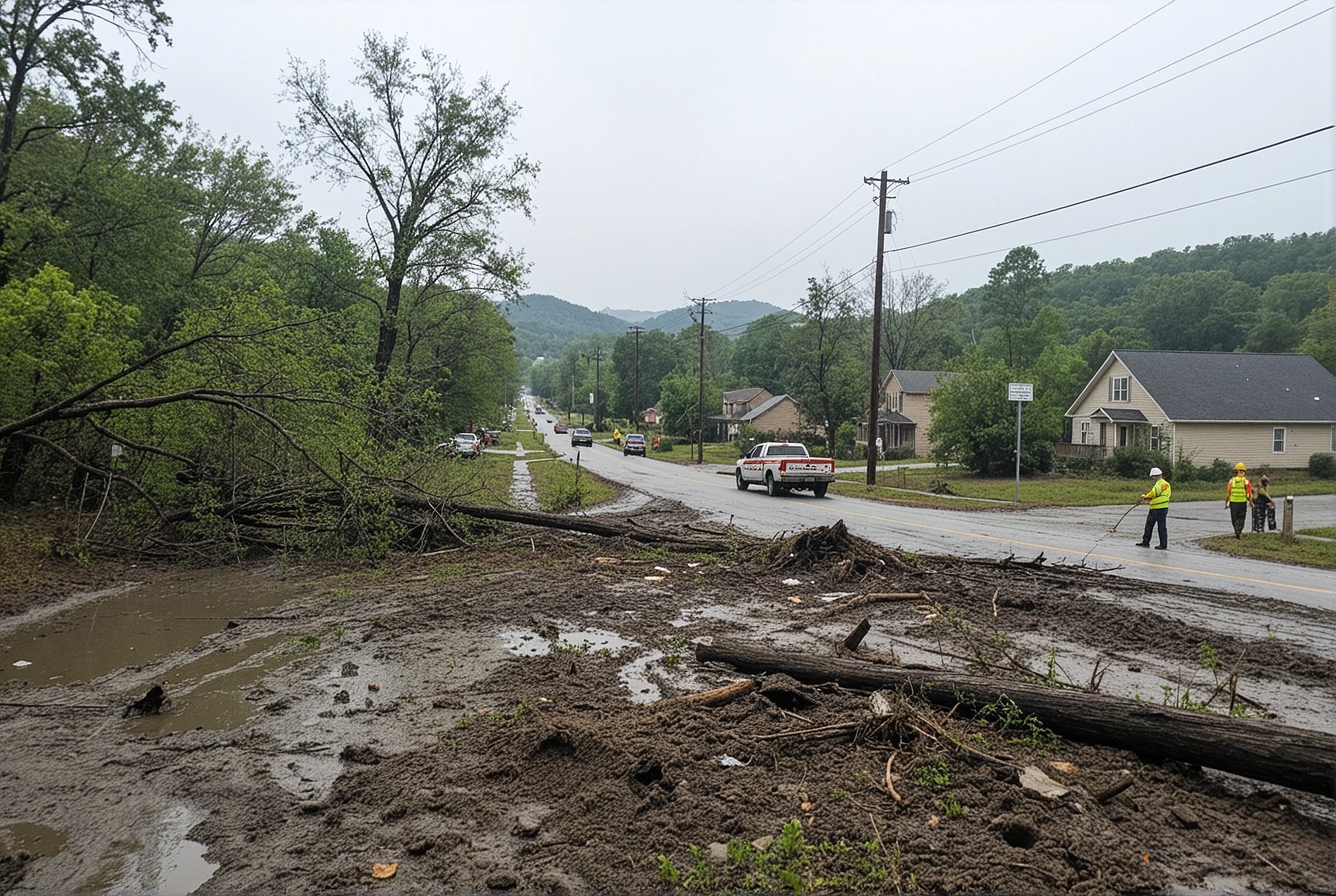
Hurricane Helene Recovery Efforts Continue Across the Southeast
Hurricane Helene made landfall in Florida’s Big Bend region on September 26, 2024, as a Category 4 hurricane with maximum sustained winds of approximately 140 mph. The storm then moved rapidly inland across the Southeast, bringing destructive winds, heavy rainfall, flooding, and landslides to communities from Florida through the southern Appalachian region.
Western North Carolina experienced some of the most severe inland impacts, with prolonged heavy rainfall contributing to catastrophic flooding and extensive damage to roads, bridges, homes, utilities, and other infrastructure.
Why This Story Matters
The storm created significant challenges for communities across the Southeast, particularly in western North Carolina. Emergency crews faced damaged transportation networks, widespread power outages, disrupted communications, and difficult access to some mountain communities.
By September 30, North Carolina officials reported that more than 450,000 customers remained without electricity, down from a peak of more than one million. Search-and-rescue operations and emergency response efforts were continuing across affected areas.
Recovery and Infrastructure Damage
Heavy rainfall associated with Helene produced widespread flooding across the western Carolinas and surrounding areas. The National Weather Service’s rainfall analysis documented significant precipitation totals across the region.
Flooding and landslides damaged roads and bridges and created hazardous travel conditions. Emergency and transportation crews worked to clear debris, assess infrastructure, and restore access to isolated communities.
North Carolina officials reported hundreds of road closures during the early recovery period, while utility crews from multiple locations worked to restore electricity and other essential services.
Federal and Community Response
Federal, state, and local agencies coordinated emergency assistance following the storm. FEMA assistance became available to eligible homeowners and renters in designated North Carolina counties and the Eastern Band of Cherokee Indians.
Emergency shelters, distribution sites, search-and-rescue teams, and volunteer organizations supported residents with food, water, temporary shelter, transportation, and other essential supplies.
Community organizations and volunteers also played an important role in helping deliver supplies to areas where normal transportation routes had been disrupted.
Looking Ahead
Recovery from a disaster of Helene’s scale was expected to take months or longer in the hardest-hit communities. Beyond the immediate emergency response, state and federal agencies faced the longer-term work of repairing roads, utilities, homes, businesses, and public infrastructure.
For residents affected by the storm, official emergency-management agencies and FEMA remained important sources of information about assistance programs, road conditions, shelters, and rebuilding resources.
The response to Hurricane Helene also highlighted the importance of household preparedness, emergency evacuation plans, and maintaining access to reliable local emergency information during major weather events.