
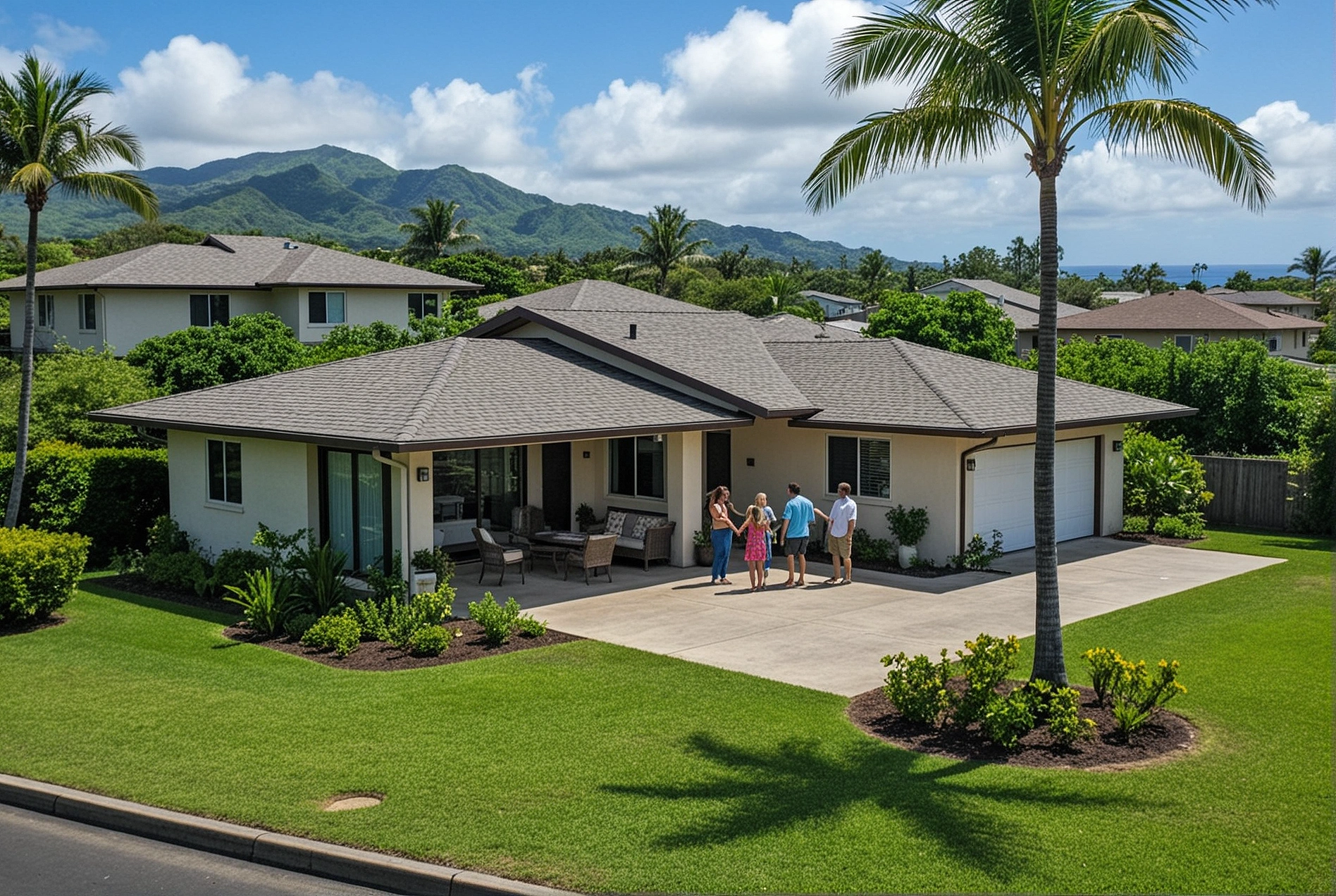
Hawaiʻi Housing Market Shows Mixed Activity as Buyers and Sellers Adjust
Hawaiʻi’s residential real estate market continues to show mixed conditions across the islands, with sales activity and inventory varying between Oʻahu, Maui, Hawaiʻi Island, and Kauaʻi. Recent market reports point to differences between single-family homes and condominiums, as well as significant variation from one island to another.
Statewide Sales Activity
The latest statewide data from Hawaiʻi Realtors covers August 2026 and shows that housing activity remains uneven across the state. On Oʻahu, single-family home sales increased 1.9% year over year, while condominium sales declined 6.6%.
Oʻahu’s median single-family home price reached $1.24 million in August, up 12.2% from a year earlier, while the condominium median was $510,000, down 1.0%.
Other islands are showing different patterns. Maui’s third-quarter-to-date data through September 11 showed 317 combined home and condo sales, up 17% from the comparable period in 2025.
Regional Differences Remain Significant
Market conditions vary considerably between Hawaiʻi’s major islands.
Oʻahu continues to have strong demand for single-family homes, while condominium activity has been softer. Active inventory at the end of August included 1,232 Oʻahu properties priced at $500,000 or below, providing buyers with options at the lower end of the market.
Maui has also seen increased sales activity in parts of the market, although inventory and pricing remain highly dependent on property type and location. On Kauaʻi, meanwhile, year-to-date home sales through August were down 8.43% compared with the same period in 2025.
Buyer and Seller Activity
Buyers continue to face high housing costs and limited choices in some communities, while sellers are seeing very different levels of demand depending on the property and location.
On Oʻahu, single-family homes were spending a median of 17 days on the market in August, while condominiums had a median of 37 days. This suggests that well-positioned properties can continue to attract buyers, while other listings may require more time and careful pricing.
What Hawaiʻi Residents Should Know
The latest data suggests that there is no single trend across the entire Hawaiʻi housing market. Buyers and sellers may see substantially different conditions depending on the island, neighborhood, property type, and price range.
For buyers, monitoring new listings and current comparable sales can help when evaluating available properties. Sellers should pay close attention to competing inventory and recent closed sales when determining an appropriate asking price.
As the market moves through fall, island-specific housing reports will provide a clearer picture of whether recent changes in sales activity develop into longer-term trends.