
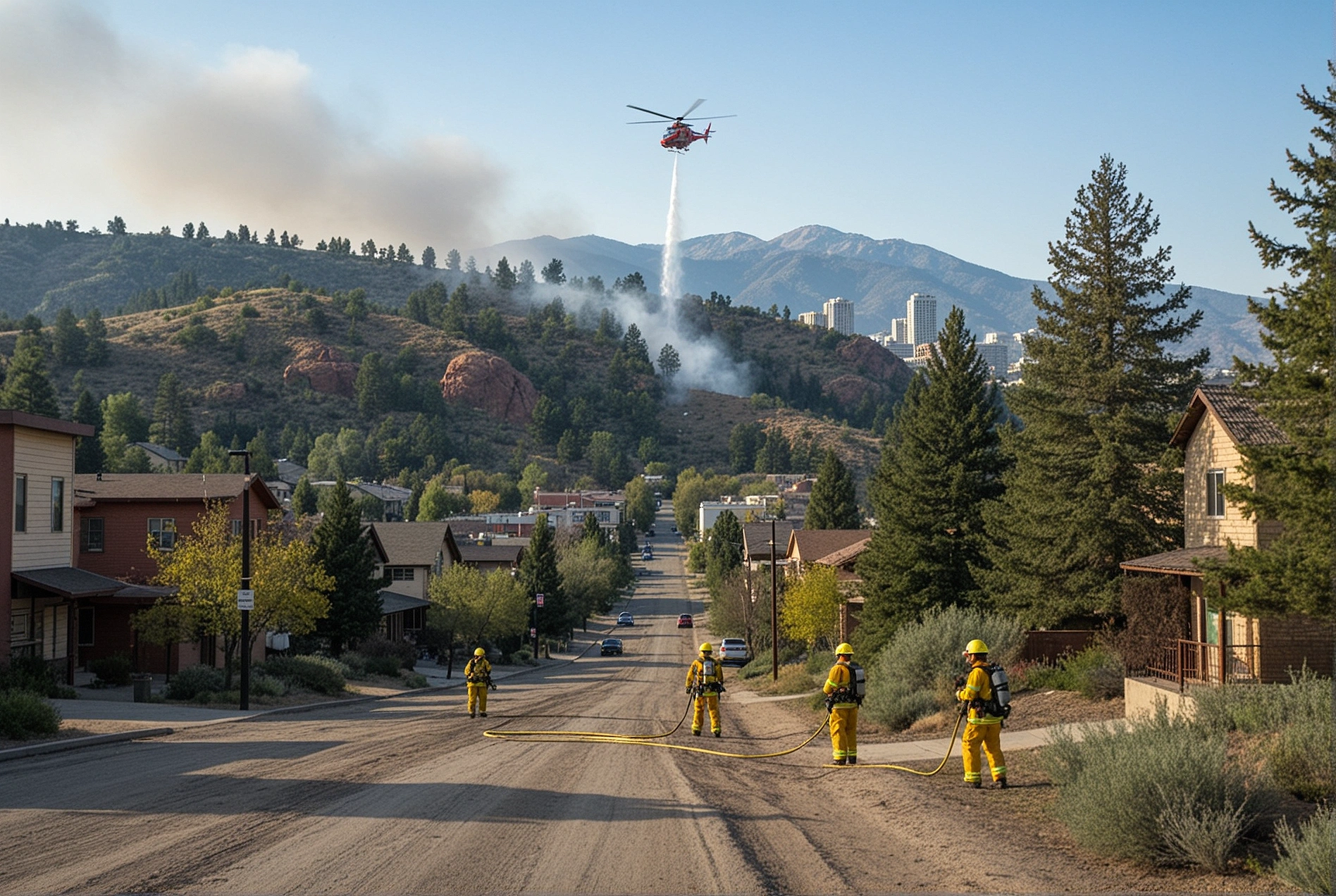
Utah Wildfire Conditions Keep Residents Focused on Preparedness
As dry conditions continue across parts of Utah, wildfire preparedness remains important for residents, particularly in communities located near forested and wildland areas.
Local authorities continue to provide wildfire-condition and emergency notifications through county and state resources. Summit County, for example, offers alerts covering fire restrictions, conditions and Red Flag Warnings, as well as notifications during active emergencies.
What Utah Residents Need to Know
Wildfires can affect more than homes and property. Smoke can reduce air quality, while fire activity and road closures can affect travel and outdoor recreation.
Residents in areas near wildland vegetation should remain aware of changing conditions and know where to find official evacuation and emergency information.
Utah’s wildfire risk can also affect communities around the Wasatch Range and areas near Kamas and Summit County. A regional hazard assessment identifies wildfire as an ongoing hazard and notes that development in and near the wildland-urban interface can increase exposure to fire risk.
Stay Informed During Changing Conditions
Residents should rely on official emergency notifications rather than social media reports or unverified information when wildfire conditions change.
Summit County recommends subscribing to its Fire Restrictions, Conditions & Red Flag Warnings alerts and Active Emergency Updates for local notifications. Residents can also use official Utah wildfire information resources for statewide updates.
For road conditions, the Utah Department of Transportation provides current information through its UDOT Traffic system. Some mountain roads and seasonal routes can also be affected by weather, fire activity or other hazards.
Practical Steps for Residents
Homeowners and residents in wildfire-prone areas can prepare by:
- Keeping emergency supplies and important documents ready to take with them.
- Knowing at least two possible evacuation routes.
- Signing up for local emergency alerts.
- Monitoring official fire and weather information.
- Checking road conditions before traveling.
- Following evacuation instructions immediately if authorities issue an order.
Residents should not wait until a fire is close to their property to determine where they would go or what they would take with them.
Practical Consideration
Wildfire conditions can change quickly, and information about a specific incident may change as officials assess the situation. Residents should use official county, state and emergency-management sources for the latest information about evacuations, road closures, fire restrictions and air quality.