
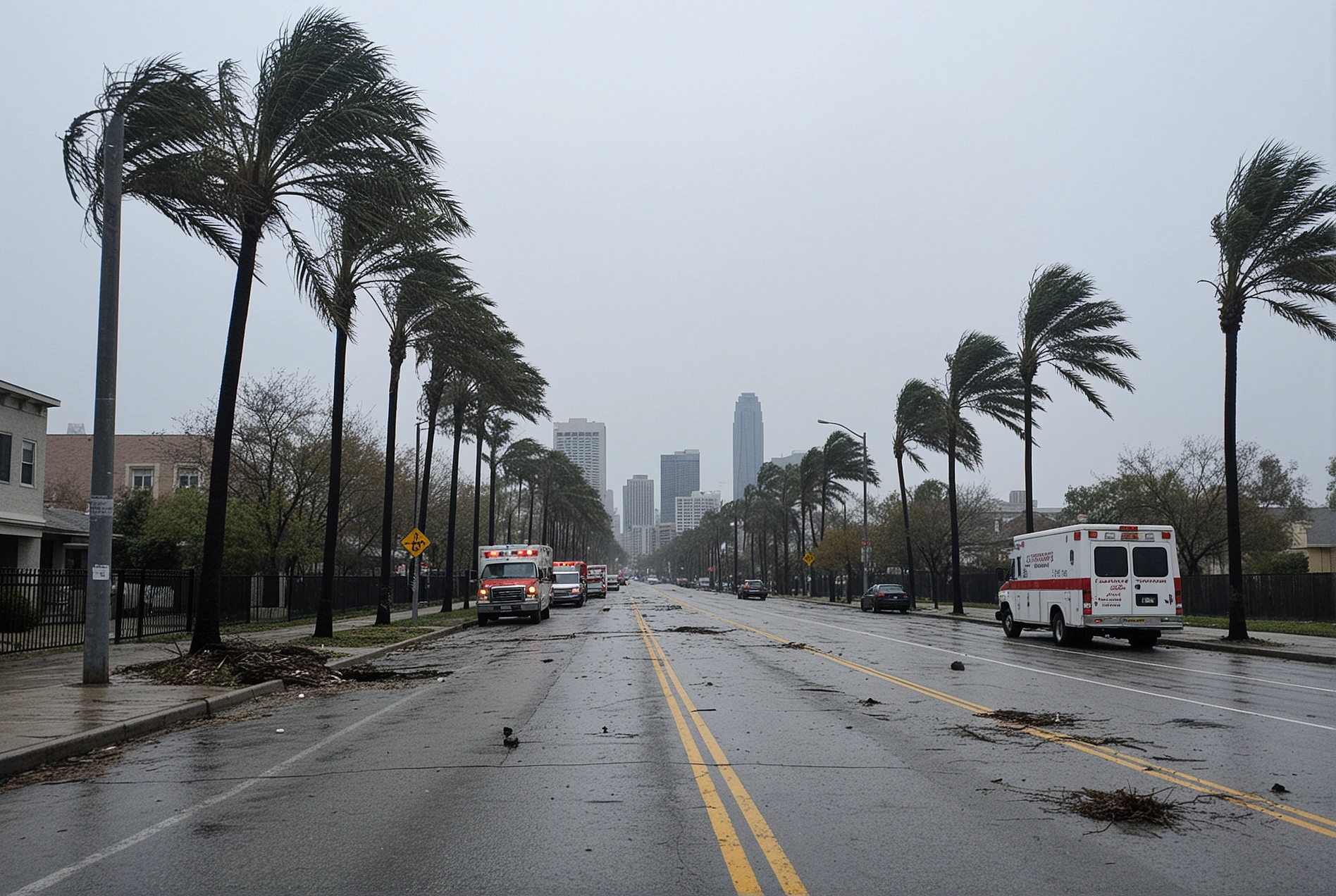
Hurricane Francine Brought Significant Wind, Rain and Storm Surge to Louisiana
Hurricane Francine made landfall in southeastern Louisiana on September 11, 2024, bringing hurricane-force winds, heavy rainfall and life-threatening storm surge to portions of the Gulf Coast.
The National Hurricane Center reported that Francine made landfall in Terrebonne Parish at approximately 5 p.m. CDT as a Category 2 hurricane, with maximum sustained winds estimated at 100 mph.
Significant Weather Impacts
As Francine moved inland, heavy rain and strong winds continued across southern Louisiana. The National Hurricane Center warned residents about life-threatening storm surge, hurricane-force winds and heavy rainfall.
The storm also produced flooding and wind-related damage. NOAA’s National Centers for Environmental Information documented flash flooding, storm surge and extensive wind impacts across parts of Louisiana and neighboring states.
Power and Transportation Impacts
The storm resulted in widespread disruptions across affected communities. NOAA records report that more than 400,000 residents experienced power outages, while fallen trees and power lines caused road blockages in parts of southeastern Louisiana.
Heavy rainfall also contributed to flash flooding in portions of the New Orleans metropolitan area and other communities.
The Storm Moved Inland
After making landfall, Francine weakened rapidly as it moved northeastward through Louisiana. By the early morning of September 12, the National Hurricane Center classified Francine as a tropical storm while heavy rainfall continued spreading across parts of Mississippi, Alabama and the Florida Panhandle.
Looking Back: Community Preparedness
Francine highlighted the importance of preparation in communities vulnerable to hurricanes, storm surge and flooding.
Residents in hurricane-prone areas can prepare by:
- Keeping multiple ways to receive emergency alerts.
- Knowing local evacuation routes.
- Preparing emergency supplies and important documents.
- Following evacuation orders and instructions from local authorities.
- Monitoring official information from the National Weather Service and local