
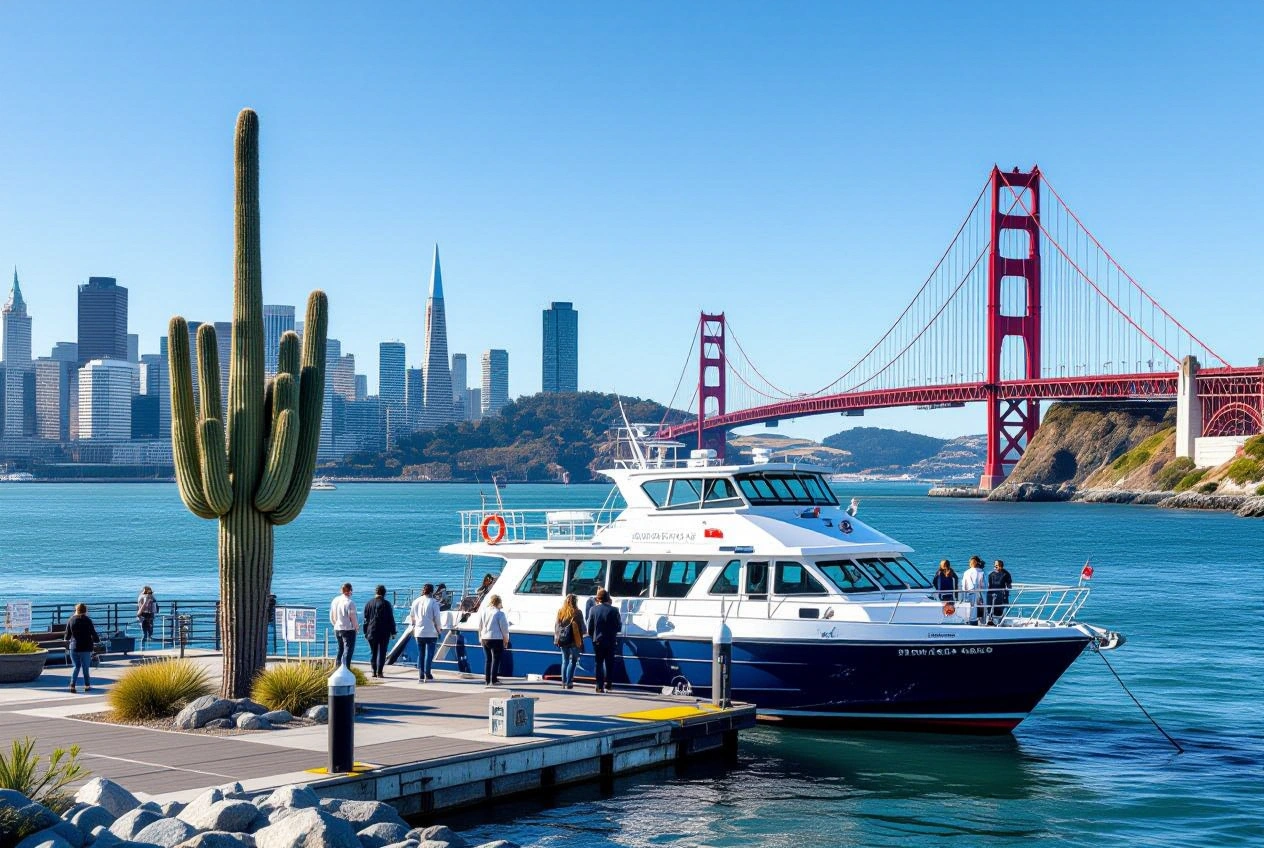
San Francisco Bay Ferry Service Continues to Support Regional Transportation
Ferry service across the San Francisco Bay continues to provide residents and commuters with an alternative to traveling by car, particularly for trips connecting San Francisco with communities in the East Bay and North Bay.
The San Francisco Bay Area Water Emergency Transportation Authority (WETA) operates the San Francisco Bay Ferry system, serving communities including Alameda, Oakland, Vallejo and other Bay Area destinations. WETA’s long-term planning documents identify ferry service as an important alternative to roadway travel and a way to help reduce pressure on major regional transportation corridors.
What Residents Need to Know
For commuters, ferries can provide another option when traveling between communities around the Bay.
Depending on the route, ferry service can connect passengers with San Francisco from locations including:
- Oakland
- Alameda
- Vallejo
- Richmond
- Harbor Bay
- Other Bay Area communities
WETA’s system includes both commuter-oriented and recreational travel, meaning ridership can vary significantly depending on the season and type of service. WETA has previously noted that recreational travel contributes substantially to seasonal ridership fluctuations.
Ferry Ridership Has Recovered From the Pandemic
Bay Area ferry ridership has experienced a significant recovery since the pandemic.
WETA reported strong ridership growth after service improvements and fare changes were introduced as part of its pandemic recovery program. In July 2021, weekday ridership was 77% higher than June, while weekend ridership reached 64% of pre-pandemic levels.
However, ridership patterns differ depending on the route, season and purpose of travel. For that reason, it is better to describe Bay Area ferry use as recovering and evolving rather than claim that the entire system reached a specific new record without current monthly WETA data.
Expanding and Improving Regional Ferry Service
WETA’s long-term plans have included expanding ferry capacity and improving the Downtown San Francisco Ferry Terminal to accommodate future passenger growth.
Its planning documents have identified potential future services and increased demand at the Downtown San Francisco terminal, with the broader goal of providing an alternative to heavily traveled regional transportation corridors.
WETA’s planning has included potential connections to communities such as Berkeley, Richmond, Hercules, Martinez, Antioch and Redwood City, although planned service should not be confused with currently operating routes.
Why Ferry Service Matters to Bay Area Communities
Ferry transportation can provide benefits beyond simply moving passengers from one destination to another.
For communities around the Bay, reliable water transportation can:
- Provide an alternative to driving
- Give commuters another option during roadway congestion
- Connect residents with employment centers
- Support tourism and recreational travel
- Improve regional transportation choices
- Provide additional transportation capacity during emergencies
WETA’s Downtown San Francisco Ferry Terminal expansion planning specifically identifies ferry service as a way to provide an alternative transportation mode and help alleviate congestion on major regional transportation routes.
Environmental Considerations
Ferries can also play a role in regional efforts to provide alternatives to automobile travel.
However, the environmental benefit depends on factors such as vessel technology, passenger loads, route length and what type of transportation the ferry trip replaces.
Therefore, I would remove the original claim that every ferry trip eliminates 150 cars and reduces emissions by a specific amount unless WETA or another authoritative transportation agency provides a current study supporting that number.
What This Means for Local Communities
Improved transportation connections can have effects beyond commuters.
Communities with convenient access to ferry terminals may become more attractive to residents, visitors and businesses.
For homeowners and community associations, transportation improvements can influence:
- Accessibility
- Traffic patterns
- Parking demand
- Local business activity
- Residential development
- Property demand
- Future infrastructure planning
These effects are particularly relevant in communities located near major transit connections.
Looking Ahead
Regional transportation agencies continue to evaluate how different transportation modes can work together as the Bay Area grows.
WETA’s long-range planning has considered additional ferry services and improvements to terminal facilities as part of the region’s future transportation network.
Future improvements will depend on funding, ridership demand, infrastructure capacity and regional transportation priorities.
For residents considering ferry commuting, the best approach is to check the current schedule rather than rely on older route information, since service levels can change.
What Residents Can Do
Residents interested in using ferry service should:
1. Check current schedules.
Review the latest departure and arrival times before traveling.
2. Check fares.
Fare information can vary by route and passenger type.
3. Plan connections.
Look at connections between ferries, BART, buses, bicycles and other transportation options.
4. Check service alerts.
Weather, maintenance and operational issues can affect ferry schedules.
5. Consider ferry service as part of a larger commute.
For some residents, combining ferry service with public transit or cycling may be more convenient than driving the entire distance.
What This Means for HOAs and Community Associations
Transportation improvements can be relevant to HOAs and community managers, particularly in areas experiencing new transit connections or increased development.
Boards can monitor major transportation projects and consider how changes in transit accessibility could affect:
- Traffic
- Parking
- Development
- Resident mobility
- Local businesses
- Future community growth
Transportation infrastructure is often closely connected to broader patterns of residential and commercial development.
Final Takeaway
San Francisco Bay Ferry remains an important component of the Bay Area’s transportation network, providing an alternative to automobile travel between San Francisco and several communities around the Bay.
While the original claims about 850,000 July passengers and a 12% annual increase could not be verified from the official sources I found, WETA’s documented planning and ridership history support a broader story about ferry service recovery, regional connectivity and continued investment in water transportation.
For residents, the most useful takeaway is to check current WETA schedules and service alerts before planning a ferry commute, while homeowners and community associations can monitor transportation improvements as part of broader regional growth.