
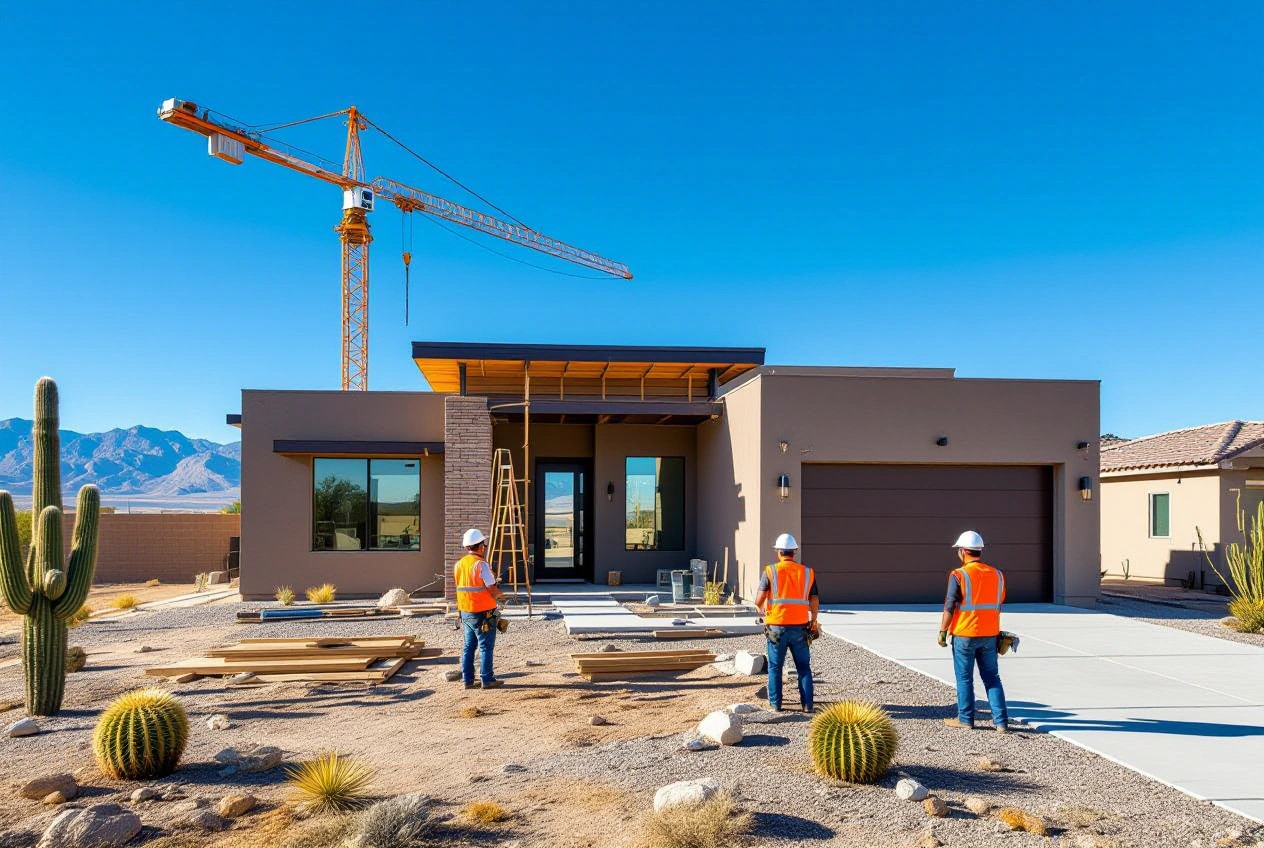
Utah Continues to Add New Housing as Construction Activity Moves Forward
Utah’s housing market continues to see significant construction activity as communities across the state work to add new homes and address long-term housing demand.
New construction is particularly important in the Salt Lake City and Utah County areas, where population growth and continued demand for housing have placed pressure on affordability.
New Home Construction Remains Important to Utah’s Housing Market
U.S. Census Bureau data shows continued residential construction activity in Utah.
In June 2026, approximately 1,253 single-family housing units were authorized by building permits on a seasonally adjusted basis. The Census Bureau’s data classifies single-family structures to include detached homes as well as certain townhomes and other qualifying one-unit structures.
This ongoing construction is an important part of Utah’s effort to expand housing availability.
Utah Still Faces a Housing Supply Challenge
Although builders continue to add homes, the state still faces significant housing affordability and supply challenges.
Utah’s housing market remains competitive, with high prices making it difficult for many first-time buyers to enter the market.
Recent reporting based on Utah housing data shows that the median price of a single-family home in Salt Lake County reached approximately $645,000 in the second quarter of 2026.
This means that additional construction alone may not immediately make homes affordable, particularly if new inventory is concentrated in higher-priced segments.
Utah’s Statewide Housing Goal
The state is also pursuing a broader effort to increase housing construction.
Utah has a goal of adding 35,000 starter homes by 2028.
According to the state’s housing dashboard, approximately 7,412 homes had been built toward that goal as of July 2026, with Utah County accounting for approximately 3,825 of those homes.
The initiative is intended to encourage the development of more housing options for Utah residents, particularly households struggling to purchase their first home.
Utah County Continues to Be a Major Growth Area
Utah County remains one of the state’s most active areas for residential development.
Communities such as Lehi, Eagle Mountain and other rapidly growing areas continue to experience development as builders respond to population growth and housing demand.
The expansion of these communities also requires additional infrastructure, including:
- Roads
- Schools
- Utilities
- Parks
- Public safety services
- Retail and commercial development
Local governments therefore play an important role in coordinating new residential growth with infrastructure planning.
Daybreak Continues to Expand
Daybreak in South Jordan remains one of Utah’s major master-planned communities.
South Jordan’s official planning resources continue to identify substantial developable areas within the Daybreak development boundary.
The continued development of large master-planned communities demonstrates how Utah’s housing growth is increasingly connected with long-term land-use and infrastructure planning.
For residents and homeowners associations, new development can bring additional amenities and services while also creating new demands for roads, schools, utilities, and community management.
New Construction Gives Buyers More Options
New homes can provide buyers with alternatives to older properties.
Depending on the development, new construction may offer:
- Modern floor plans
- Energy-efficient systems
- Updated appliances
- New building materials
- Lower immediate maintenance requirements
- Community amenities
- Builder incentives
However, buyers should compare the total cost of a new home with comparable existing properties rather than focusing only on the advertised purchase price.
Buyers Should Look Beyond the Purchase Price
When considering new construction, buyers should also evaluate:
- HOA assessments
- Property taxes
- Builder incentives
- Closing costs
- Lot premiums
- Upgrade costs
- Landscaping expenses
- Future special assessments
- Community amenities
- Construction timelines
A home advertised at an attractive base price can become significantly more expensive once upgrades and other costs are added.
What This Means for Existing Homeowners
More new construction can increase competition for existing homeowners who are trying to sell.
Buyers comparing an older home with a newly constructed property may place greater emphasis on:
- Condition
- Energy efficiency
- Renovations
- Maintenance costs
- Location
- Lot size
- HOA amenities
Existing homeowners may therefore need to make sure their asking price reflects current competition from both resale and new-construction properties.
What This Means for Investors
Investors should also pay attention to where new housing is being developed.
New construction can create opportunities for rental investors, but increased supply may also create additional competition among rental properties.
Before investing, buyers should research:
- Local rental demand
- Expected population growth
- New construction pipelines
- HOA fees
- Property taxes
- Insurance
- Maintenance costs
- Rental restrictions
- Long-term appreciation potential
The number of new homes being built in an area should be considered alongside actual demand.
What This Means for HOAs and Community Managers
Rapid residential development also creates opportunities and challenges for homeowners associations.
As new communities grow, HOA boards and community managers may need to prepare for:
- Increased homeowner onboarding
- New amenity management
- Growing maintenance responsibilities
- Landscaping requirements
- Architectural-review requests
- Community communications
- Reserve planning
- Vendor management
- Infrastructure coordination
Large master-planned communities can eventually include thousands of residents, making consistent communication and strong operational processes increasingly important.
The Bottom Line
Utah continues to build new housing as state and local governments work to address long-term population growth and housing affordability.
U.S. Census Bureau data shows continued single-family permitting activity, while Utah’s statewide housing initiative is working toward the goal of adding 35,000 starter homes by 2028. Approximately 7,412 homes had been built toward that goal by July 2026.
However, increased construction does not automatically mean that housing will become affordable overnight. Utah continues to face high home prices, particularly in major employment centers such as Salt Lake County.
For buyers, new construction provides additional choices.
For sellers, it creates additional competition.
For investors, it creates both opportunities and potential rental-supply challenges.
And for HOAs and community managers, continued development means planning ahead for growing communities, infrastructure, amenities, and homeowner needs.