
Maui Wildfire Recovery Moves Forward With New Housing and Rebuilding Programs
Recovery from the devastating 2023 Maui wildfires continues to move forward as Maui County expands programs designed to help displaced homeowners rebuild and return to their communities.
The County of Maui’s Office of Recovery is using federal Community Development Block Grant Disaster Recovery funds to support housing reconstruction, reimbursement, affordable rental housing, and other recovery projects.
Major Funding Is Now Available for Homeowners
Maui County’s Hoʻokumu Hou Single-Family Homeowner Reconstruction Program provides financial assistance to eligible homeowners whose primary residence was destroyed by the 2023 Maui wildfires.
Eligible homeowners may receive up to $1.2 million in assistance to rebuild their primary residence. The program is intended to help families return to safe, resilient homes while remaining in their communities.
The program is funded through the County’s Community Development Block Grant Disaster Recovery allocation from the U.S. Department of Housing and Urban Development.
Applications Remain Open
The County of Maui currently has applications open for its Single-Family Reconstruction and Reimbursement programs through August 2026.
The reconstruction program is available to qualifying homeowners who owned and occupied a home destroyed by the Maui wildfires and meet the program’s income requirements.
The county has also established a reimbursement program for eligible homeowners who have already completed reconstruction. That program can provide up to $400,000 in assistance, subject to eligibility requirements and program conditions.
Rebuilding Is Already Underway
Recovery is no longer limited to planning.
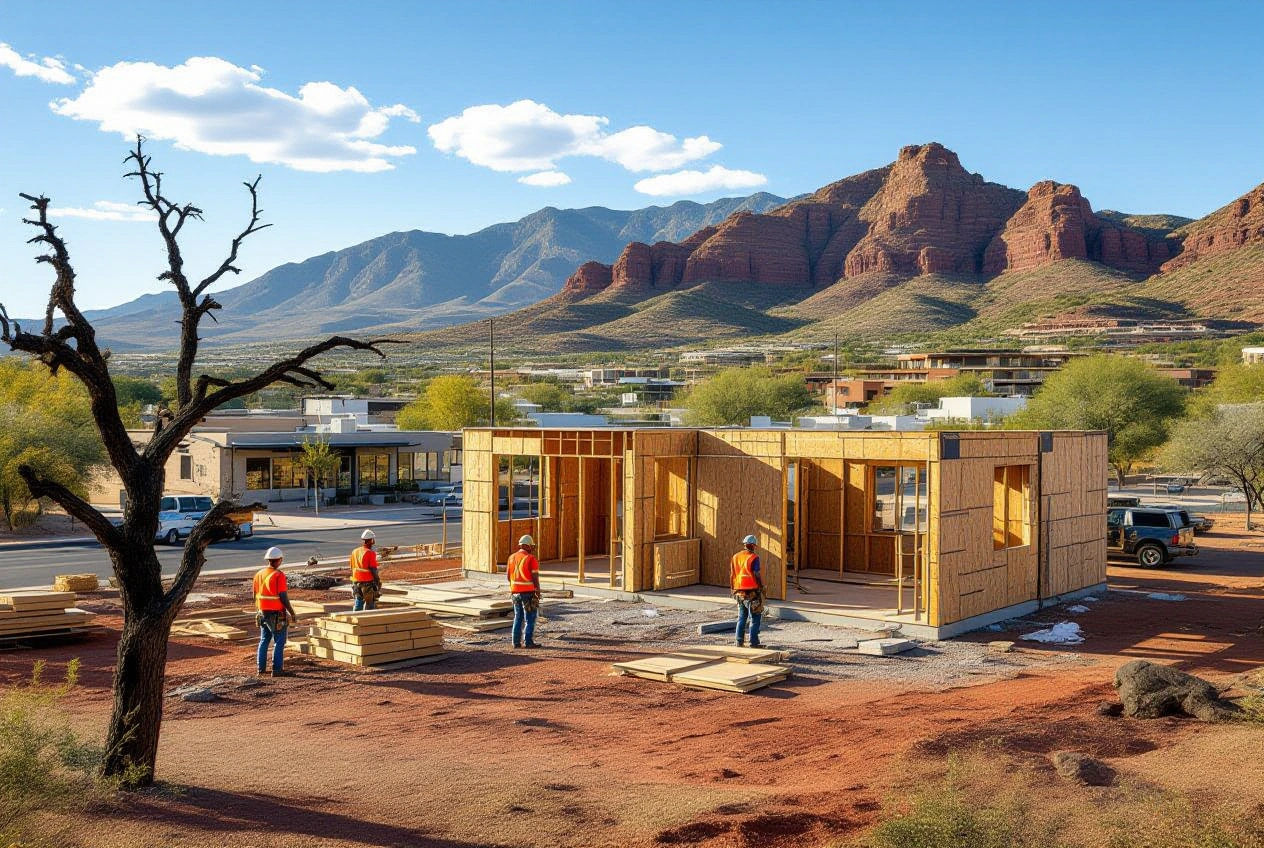
According to Maui County’s 2026 State of the County report, approximately 300 sites were actively under construction in Lahaina Town.
The county also reported that more than 456 residential and multifamily units had been fully constructed in Lahaina since the wildfire.
These projects represent an important step toward restoring permanent housing for residents who have spent years dealing with displacement.
Permitting Has Also Become Faster
One of the most significant improvements has been the county’s expedited recovery permitting program.
Maui County reports that the program has reduced the average time required for permit approvals for wildfire survivors to approximately 44 days.
Faster permitting can help homeowners move from planning to construction more quickly, particularly when rebuilding requires coordination between contractors, architects, engineers, utilities, and government agencies.
Support for Affordable Rental Housing
Recovery efforts are also addressing the shortage of rental housing.
Maui County reported that seven multifamily projects had been approved for recovery funding, representing 519 affordable rental units in West Maui.
These projects are intended to help restore housing capacity while providing additional options for residents affected by the fires and the broader housing shortage.
Federal Housing Assistance Has Been Extended
Housing support for Maui wildfire survivors is also continuing.
In January 2026, Governor Josh Green announced that FEMA Temporary Housing Assistance for Maui wildfire survivors had been extended through February 2027.
The extension provides additional time for families who are still rebuilding or transitioning into permanent housing.
Homeowners Can Receive Help Even If They Have Already Received Other Assistance
The County’s reconstruction program recognizes that wildfire survivors may have received assistance from multiple sources.
According to Maui County, eligible homeowners may still qualify for the Hoʻokumu Hou program even if they have previously received assistance from FEMA, insurance, or the Small Business Administration, subject to the program’s duplication-of-benefits requirements.
This can be particularly important for homeowners whose insurance or other recovery resources do not fully cover the cost of rebuilding.
What This Means for Maui Communities
The rebuilding effort will have effects beyond individual homeowners.
As residents return, communities will gradually see changes in:
- Population levels
- Local businesses
- Schools
- Community services
- Housing availability
- Infrastructure needs
- HOA and community-association activity
- Demand for contractors and other local services
For homeowners associations and community managers, rebuilding also creates a need for clear communication with residents about construction activity, community rules, infrastructure, and returning homeowners.
What Homeowners Should Do
Wildfire survivors who have not yet started rebuilding should review the current County of Maui recovery programs to determine whether they qualify.
Homeowners should gather documents such as:
- Proof of ownership
- Proof the property was their primary residence
- Household income information
- Mortgage information
- Insurance documentation
- FEMA or other disaster-assistance records
- Construction or rebuilding documentation
Applicants should also carefully review program requirements before making decisions about construction or financing.
The Bottom Line
Maui’s wildfire recovery is entering a more active rebuilding phase.
Maui County has committed substantial federal disaster-recovery funding to housing reconstruction, reimbursement programs, affordable rental housing, and infrastructure. The county reports that hundreds of sites are now under construction and that its expedited permitting process has reduced average approval times for wildfire survivors to approximately 44 days.
At the same time, eligible homeowners can access significant financial assistance through the Hoʻokumu Hou program, including up to $1.2 million for qualifying single-family reconstruction.
The recovery will continue to take time, but these programs are helping move Maui communities from emergency response toward permanent rebuilding and long-term recovery.